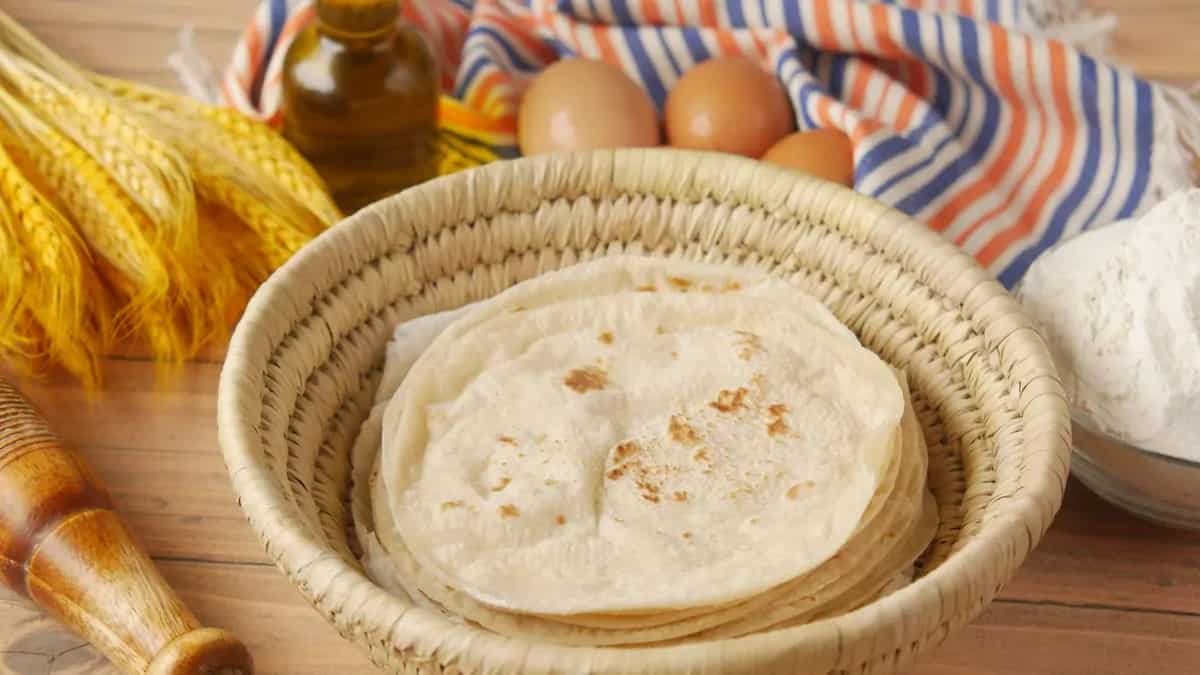
The tawa gives a dry hiss, the roti blisters, and the kitchen smells faintly nutty—wheat turning warm, not sweet. With type 2 diabetes or prediabetes, that ordinary moment can carry a loaded thought: Do I have to give this up? Usually, no. For most families, what helps is quieter and repeatable: choose a flour you can stick with, keep roti portion predictable, and let vegetables and protein do more of the plate’s work.
Choose Your Roti Flour & Portion
The promise (one sentence): you’ll learn how to pick a roti flour (often as a blend) that supports steadier blood sugar—plus a realistic roti portion and a repeatable plate method for everyday meals.
Quick safety note: blood sugar response is personal. It changes with the whole meal, sleep, stress, activity, and medications. Use this as a kitchen guide, and personalise with your clinician’s advice and your home readings/CGM (if you use one).
Scope stays tight: flour options, portion cues, a balanced roti plate, and roti texture troubleshooting. This is not a full diabetes meal plan. If you’re pregnant, have kidney disease, celiac disease, or significant digestive issues, get individualised guidance before major flour changes.
How Roti Flours Affect Blood Sugar
GI vs GL (the only part you need): GI is how quickly a food can raise blood glucose. Glycemic load (GL) depends on portion, so doubling rotis can double the impact even if the flour is “better.”
What often helps in real meals is slower digestion: fibre slows breakdown; protein and fat slow stomach emptying and help with satiety. That’s why roti + dal + sabzi usually behaves differently from roti alone.
Refined or low-fibre flours digest faster and keep you less full—making the “unplanned second roti” more likely.
Example: If you switch to multigrain atta but also move from 1 roti to 2, the portion change can outweigh the flour upgrade.
Optional non-food lever: a 10–15 minute easy walk after meals may help some people blunt the post-meal rise—supportive habit, not a guarantee.
Step-By-Step: Pick The Best Roti Flour For You
If you’re searching for the best atta for diabetics, the practical answer is usually: start with a whole-grain base, then add one supporting flour at a time in a ratio your family will actually eat.
Step 1: Make chakki-ground whole wheat atta your default
If you’re using maida or a very fine, low-bran flour, moving to chakki-ground whole wheat atta is the simplest upgrade.
Label cues:
- Look for “100% whole wheat” / “whole grain.”
- Avoid packs where refined wheat flour/maida appears first.
It won’t “solve” blood sugar on its own—but it’s a dependable base for blends.
Step 2: Add one flour at a time (use blends for soft rotis)
These options are often low-to-moderate GI leaning in mixed meals—with starter ratios that stay roti-friendly.
Jowar (sorghum): an easy millet to start with
- Starting blend: 20–40% jowar + 60–80% whole wheat
- If rotis turn brittle, drop the jowar percentage and check the Troubleshooting section.
Bajra (pearl millet): introduce slowly
- Starting blend: 10–25% bajra + 75–90% whole wheat
- Can feel heavy for some—start low and increase only if it suits you.
Want the cultural trail behind millet rotis (without turning this into a diet plan)? Read Slurrp’s stories on Food Trails.
Ragi (finger millet): distinctive taste, best when “supported”
- Starting blend: 10–20% ragi + 80–90% whole wheat
- Ragi can read earthy—many people accept it faster with curd or peppery greens.
Barley (jau): useful add-in for fibre
- Starting blend: 10–20% barley + 80–90% whole wheat
- Barley is rich in beta-glucan, a soluble fibre that may help support healthier post-meal glucose as part of an overall balanced diet.
- Keep it pliable: use a slightly softer dough and rest 15–20 minutes before rolling.
Step 3: Use oats and besan as small add-ins (not the main flour)
- Oats flour: 5–10% (more can turn rotis dense)
- Besan (gram flour): 5–10% (too much can make rotis less flexible and strongly besan-forward)
If texture changes, reduce the percentage and return to a wheat-forward blend.
Step 4: Read multigrain atta labels like a sceptic
“Multigrain” on the front is marketing; the ingredient list is the truth.
- Choose packs where whole wheat/whole grains appear first.
- Avoid vague terms like “cereals” without clarity.
- If relevant to you, avoid added sugar/jaggery (sometimes included for taste/colour).
Blend examples you can start this week
Pick one blend and keep it steady for 1–2 weeks so you can notice how it fits your routine.
- Everyday soft: whole wheat 60–80% + jowar 20–40%
- Bajra start: whole wheat 75–90% + bajra 10–25%
- Darker roti: whole wheat 80–90% + ragi 10–20%
- Fibre-forward add-in: whole wheat 80–90% + barley 10–20%
Step-By-Step Portion Guidance
Flour helps—but portion is the steering wheel.
Step 1: Start with a baseline you can measure
A sensible baseline for many adults is 1 medium roti per meal.
Adjust gradually based on hunger, activity, medications, and your own readings (if you track). If post-meal numbers tend to climb after similar meals, test a smaller roti portion before overhauling everything else.
Step 2: Use visual cues so “medium” stays medium
- Diameter: about 6–7 inches
- Thickness: even, not chunky at the edges
- Dough-ball cue: one consistent ball (roughly a small lemon)
Step 3: Avoid the “double starch” meal
Most surprises come from stacking starches.
Simple swap rule: pick one main starch per meal.
- Either roti or rice
- Go easy on extra starchy sides like potato, corn, raw banana/plantain, bread, and noodles in the same meal
Step 4: Know when to reduce the roti portion
Reduce roti (or skip the second) when the meal already includes extra carbs:
- Sweetened drinks
- Dessert after lunch/dinner
- Potato-heavy sabzis
Portion scenarios (picture the plate)
- Scenario A (baseline): 1 medium roti + 1 katori dal + 1–2 katoris non-starchy sabzi + salad/curd.
- Scenario B (richer meal): 1 small-to-medium roti + richer sabzi (paneer gravy/extra oil) or dessert/drink after—keep starch to one measured piece.
If you monitor at home, you can use a 1–2 hour post-meal reading as feedback when testing a new flour or roti count (alongside clinician guidance).
CTA: Want to estimate carbs/fibre for your atta blend and roti count? Try NutriMeter.
Build A Balanced Roti Plate
When you don’t want to calculate, use a plate pattern that keeps roti in its place.
Step 1: Plate method that fits an Indian thali
- 1/2 plate: non-starchy vegetables (sabzi + salad)
- 1/4 plate: protein
- 1/4 plate: carbs (your measured roti)
If you serve in katoris, keep the same idea: veg is the largest volume, protein is a clear portion, and roti stays predictable.
Step 2: Quick protein pairings (choose one)
- Dal (moong/masoor)
- Chana/rajma (count them as carbs too—portion matters)
- Paneer or tofu
- Eggs
- Fish/chicken (grilled or curry with controlled oil)
Step 3: Fibre-forward veg sides that work with roti
Choose one or two: bhindi, beans, cauliflower, cabbage, gourds, leafy greens. Keep oil modest; use moisture and time instead (sauté + cover, steam, or pressure-cook, then temper).
Step 4: Smart add-ons (satiety without “extra roti”)
- Curd/plain dahi
- Salad (cucumber, tomato, onion, lemon)
- Measured ghee (e.g., 1 tsp)—make one roti feel complete, not like a reason to add another.
CTA: Need meal ideas that match this template? Browse Recipes.
Healthier Rotis That Still Taste Good
Cracking or tearing dough
- Add water gradually—millets and bran drink more than plain wheat.
- Rest the dough 15–20 minutes so the flour hydrates.
- Using a millet/barley blend? Reduce the non-wheat percentage and rebuild slowly.
Rotis turning hard or chewy
- Heat matters: too cool dries rotis; too hot sets the surface before the inside cooks.
- Roll evenly; thick edges stay chewy.
- Keep rotis covered right after cooking so steam softens them.
Dry millet-heavy rotis
Pick one option:
- Add a small portion of wheat back for flexibility
- Add a little isabgol (psyllium husk) for binding
- Knead with a spoon of curd
Batch-cooking + reheating (without over-oiling)
- Cool rotis stacked and covered; store airtight.
- Reheat on a tawa with a few drops of water and a lid; add ghee only if planned and measured.
Some parts of this article were created with AI assistance.