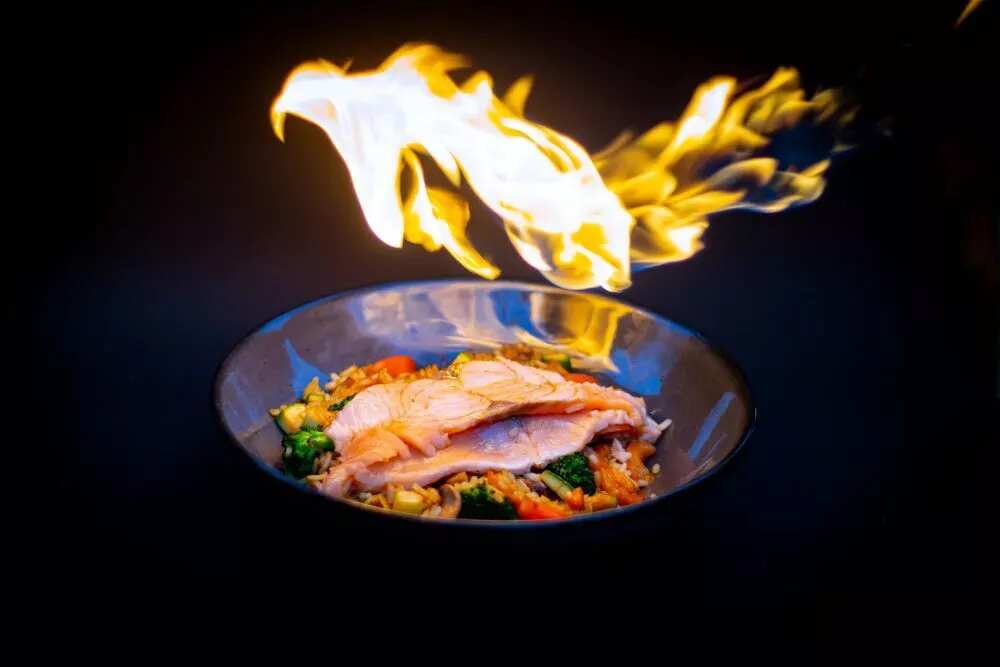
Sometimes, while cooking, we stir-fry certain dishes at high temperatures. However, we don’t know what the consequences of cooking at high temperatures can cause to our bodies. In a recent study, it was stated that cooking food at high temperatures can damage the DNA of the food, which in turn can alter the DNA of the person consuming it and lead to diseases like cancer.
A recent study was conducted at Stanford University, where the scientists discovered a compelling and convincingly impactful explanation for the increased cancer risk associated with regular consumption of food cooked at high temperatures, such as red meat and deep-fried dishes.
Most of our foods, sourced from meat, fruits, vegetables, fish, poultry, grains, nuts, and mushrooms, contain DNA. These, when subjected to a high-temperature method of cooking, can damage the DNA within them. In the recent study conducted by the researchers, the focus was on the potential damage of the DNA to consumers, as certain components within it have the capability to trigger mutations in their own DNA.
The study that was published by ACS Central Science found that the components of this damaged DNA can be absorbed by consumers and incorporated into their own DNA. This DNA damage, in turn, can potentially act as a catalyst for genetic mutation. Over time, it can increase the risk of developing cancer and other diseases.
However, the study was based on the heat-damaged DNA component in lab-grown cells and mice. The researchers believed that it could have the same impact on humans. "We have shown that cooking can damage DNA in food and have discovered that the consumption of the DNA may be a source of genetic risk," stated Eric Kool, the senior author of the study. "Building upon these findings could really change our perception of food and food choices," he added.