Ramadan in India is a period defined by spiritual reflection, communal prayer, and a very specific olfactory landscape. As the sun begins its descent, the air in neighbourhoods from Old Delhi to Hyderabad fills with the unmistakable scent of hot oil and toasted spices. For generations, the iftar spread has been anchored by the deep fryer. We have grown accustomed to the ritual of dropping triangles of pastry and dollops of chickpea batter into bubbling vats of fat. However, as our lifestyles become more sedentary and our health consciousness rises, the heavy lethargy that follows a traditional fried feast is becoming less desirable. This is where modern technology steps in to save our digestive systems. Integrating a reliable appliance like an Usha air fryer into your kitchen routine can be a total game changer for the holy month. It allows you to replicate the golden, shatteringly crisp textures we crave while using up to 80 percent less oil. The result is a meal that feels indulgent but leaves you with enough energy for the evening prayers. Transitioning to air frying is not about abandoning tradition; it is about adapting it so we can enjoy our favourite flavours for many more years to come.
Image credit: Adobe Stock
Why The Air Fryer Is A Ramadan Essential
The beauty of the air fryer lies in its simplicity. It is essentially a high-powered convection oven that circulates scorching hot air at high speeds. This creates the Maillard reaction, the chemical process that gives fried food its brown colour and savoury taste, without needing to submerge the food in oil. When you are fasting, your blood sugar levels are low and your digestive system is at rest. Breaking that fast with heavy, oil-laden foods can cause a sudden spike and a subsequent crash, leading to bloating and fatigue. By air frying your snacks, you are making the transition from fasting to feasting much gentler on your body. Furthermore, the convenience factor cannot be overstated. During the frantic hour before the Maghrib adhan, space on the stovetop is at a premium. Having an independent unit that can crisp up a dozen samosas in ten minutes without needing constant supervision is a massive relief for whoever is managing the kitchen.
The Perfect Air Fried Samosa
The samosa is the undisputed king of the iftar platter. Achieving that pastry-shop crunch in an air fryer requires a small tweak in technique. Instead of a thick, doughy crust, try using spring roll sheets or thin samosa leaves. Brush each triangle lightly with a neutral oil or melted ghee before placing them in the basket. The circulating air will blister the pastry just like a deep fryer would. The filling, whether it is spiced potatoes and peas or minced mutton, remains moist because the cooking time is so short. You will find that the spices actually taste cleaner and more pronounced when they are not masked by the taste of old frying oil.
Image credit: Pexels
Onion Bhajias And Pakoras To Make In An Air Fryer
Many people believe that pakoras are impossible in an air fryer because the batter is wet. While you cannot pour a thin liquid batter into a wire basket, you can certainly make a thick, chunky mixture. The trick is to use less water in your gram flour (besan) mix so it binds tightly to the onions or spinach. Adding a teaspoon of rice flour or cornflour to the mix will ensure an extra level of brittleness. Arrange small heaps on a piece of perforated baking paper inside the air fryer. Halfway through the cooking process, give them a quick spritz of oil. They emerge as craggy, golden nuggets that are perfect for dipping into mint chutney.
Air Fryer Paneer And Soya Malai Tikka
For those looking for a high-protein start to their meal, tikkas are the way to go. Usually, these require a tandoor or a smoky grill, but the air fryer mimics that high-heat environment perfectly. Marinate cubes of paneer or soya chunks in a thick mixture of Greek yoghurt, ginger-garlic paste, and roasted gram flour. The air fryer cooks these in about eight to ten minutes. The outside develops those beautiful charred spots while the inside remains soft and succulent. It is a sophisticated addition to any spread that feels much lighter than the usual fried fare.
Image credit: Pexels
Air Fried Succulent Seekh Kebabs
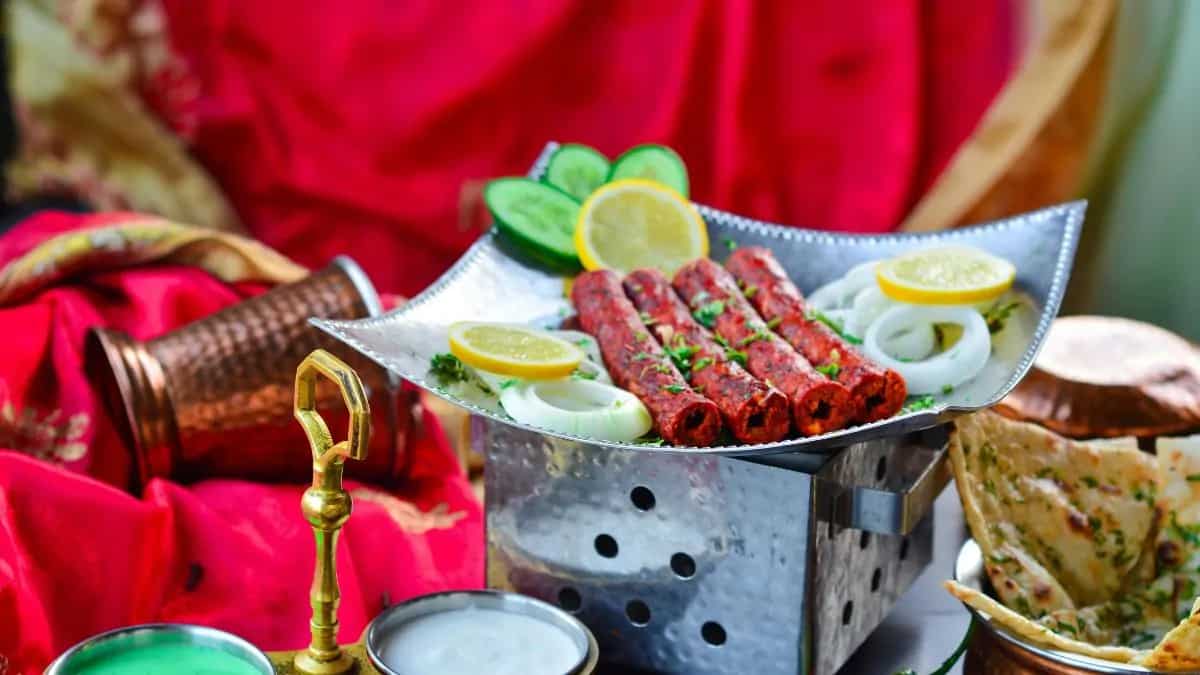
Seekh kebabs are traditionally cooked over coals, but the air fryer is a brilliant substitute. You can shape the spiced meat mixture into long cylinders or small patties. Because the air fryer drains away excess fat as it cooks, the kebabs end up being incredibly lean. The high heat seals the juices inside immediately. If you miss the smoky flavour, you can use the dhungar method: place a small piece of burning charcoal in a metal bowl inside the air fryer basket for the last two minutes of cooking, and add a drop of ghee to create a cloud of aromatic smoke.
Image credit: Pexels
Crispy Chicken Wings
If you want to add a bit of a modern, fusion twist to your iftar, air fried chicken wings are a crowd favourite. Dust the wings in a mix of salt, pepper, and a little baking powder before cooking. The baking powder reacts with the chicken skin to create a texture that is indistinguishable from deep fried wings. Once they are crispy, toss them in a spicy peri-peri or honey-garlic glaze. They are addictive, easy to eat, and significantly lower in calories than the restaurant versions.
Top Tips For Air Frying Success
To get the most out of your appliance during Ramadan, keep these three golden rules in mind:
1. Avoid Overcrowding: It is tempting to pile all the snacks in at once to save time, but the air needs room to circulate. If the basket is too full, your snacks will steam rather than fry, resulting in a soggy texture. Cook in batches for the best results.
2. The Power Of The Spritz: While you are using much less oil, a tiny bit is still necessary for that golden glow. Invest in a refillable oil sprayer. A quick misting halfway through the cooking cycle makes a world of difference.
3. Preheat The Unit: Just as you wouldn't drop food into cold oil, don't put your snacks into a cold air fryer. Let it run for three minutes at the desired temperature before adding your food. This ensures the cooking process starts the second the basket is closed.