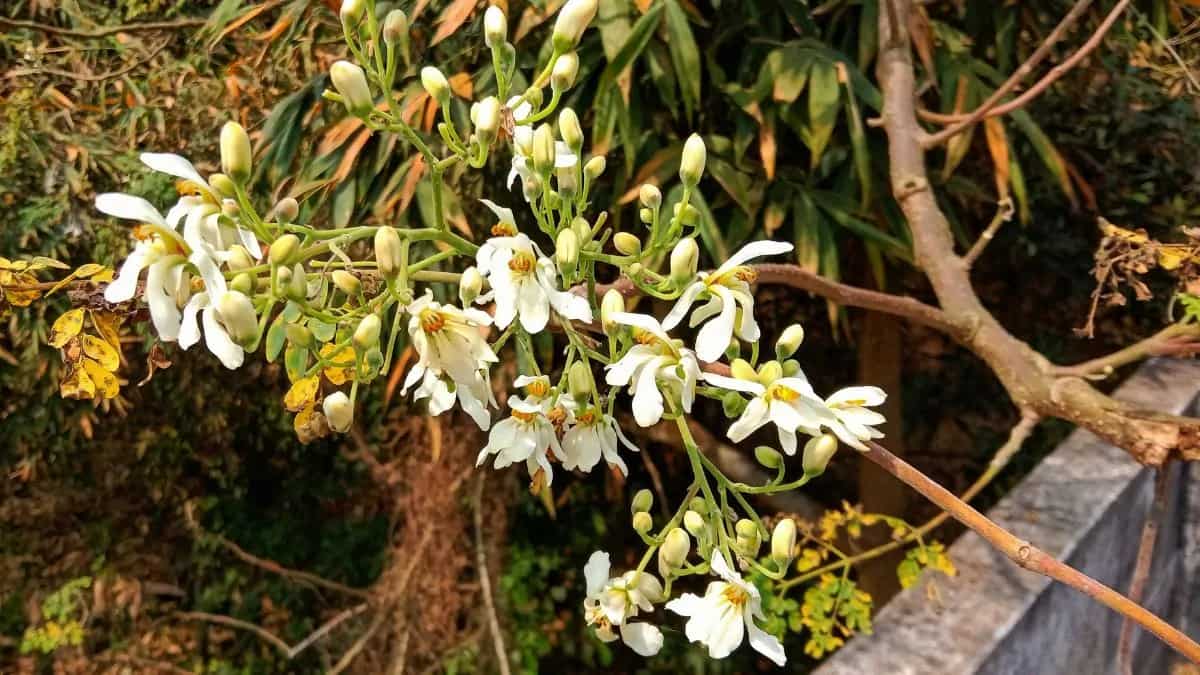
The tribal food culture of Jharkhand has a modest, underappreciated place for edible flowers because they fit into a rhythm that honours the forest rather than opposes it. Restaurant aesthetics and following trends are not the draw. It stems from a way of life where people don't overthink things and instead use what the season has to offer to create something nourishing.
Flowers appear because they are readily available, hardy, and bursting with delicate tastes that change throughout the year. Their range of flavours—some earthy, some lean and bitter, and some somewhat sweet—makes them surprisingly adaptable without requiring intricate culinary skills. As tribal cooking relies more on intuition than rigid guidelines, flowers are either stored for later use or added to daily meals when the forest is in bloom. Additionally, flowers lend colour to dishes that could otherwise feel too drab during the colder months.
Using what grows around is not popular in Jharkhand. It is a culture shaped by survival. Long before the term "farm-to-table" was coined, edible flowers were just a part of that.
5 Edible Flowers From Jharkhand To Add In Your Winter Recipes
1. Drumstick Blossoms (Sajana Phool)
In winter kitchens in Jharkhand, drumstick blooms have a distinct charm as the season intensifies their inherent aroma. Without requiring overt seasoning, the blossoms' crisp, somewhat herbaceous bitterness instantly enlivens meals. They naturally fit into daily meals; therefore, tribal communities rely on them. When heated, the blooms retain their shape and soften just enough to become part of the dish's texture without totally vanishing. Even while the method remains straightforward, the little petals add a delicate warmth that goes well with winter vegetables and gives the dish a multi-layered personality. They blend in with other preparations with ease and don't overpower or demand attention.
2. Agasti Flowers (Hayan Phool)
In the winter stretch of Jharkhand, agasti flowers stand out for their potency. Their inherent bitterness seems purposeful, as if the plant is reminding you that true flavour isn't always mild or sweet. Because it cuts through heavier meals and adds a sense of balance, this sharpness becomes immensely helpful in the winter months. The petals add solidity without overwhelming the meal because they are thick, robust, and slightly spongy. Tribals value them because they consistently flourish, even in the face of challenging conditions. Agasti is a good fit for winter eating, when people desire a clean finish but want depth. When cooked, the flower's flavour gradually changes from being strongly bitter to being more rounded.
3. Mahua Blossoms
During Jharkhand's winter, mahua blooms offer a subtle sweetness that provides a unique form of solace. Gathering them is a common seasonal ritual since they fall freely from the trees. Even before they are roasted, their scent is comforting, akin to the woodland, providing a dessert note without the need for added sugar. The flower is ideal for recipes that aim for balance rather than richness because of its earthy sweetness, which is not candy-like. Its use in recipes is more about preserving tradition than it is about necessity. People are anchored to their land and their tales by the sense of continuity that each flower carries.
4. Pumpkin Flowers (Kumhra Phool)
Although pumpkin flowers appear delicate, they function as dependable workhorses in Jharkhandi winter cuisine. As kitchens begin to move towards heartier dishes, they remain highly flexible due to their mild, almost grassy flavour. Their vibrant hues liven up dishes that tend to become more subdued in the winter. Tribal cultures value pumpkin flowers because they grow consistently throughout the year, but in the winter, they acquire a somewhat tougher texture that makes them durable in many forms. When heated, the petals immediately soften and mix into the dish, leaving a subtle floral taste. They blend in so well with winter recipes because of their understated presence.
5. Neem Blossoms (Neem Phool)
Although neem flowers are not for the weak of heart, they are a necessary source of contrast in winter kitchens in Jharkhand. For this reason, tribal cultures revere the flower because of its acerbic, unrepentant bitterness. Neem blooms are like a palette reset, cutting through the richness, earthiness, and density of winter meals. The scent is slightly flowery with a strong herbal undertone. The bitterness becomes somewhat less harsh and more pleasant when heated. Neem blooms become a wintertime mainstay because of this metamorphosis. Without overpowering the food, they add complexity.