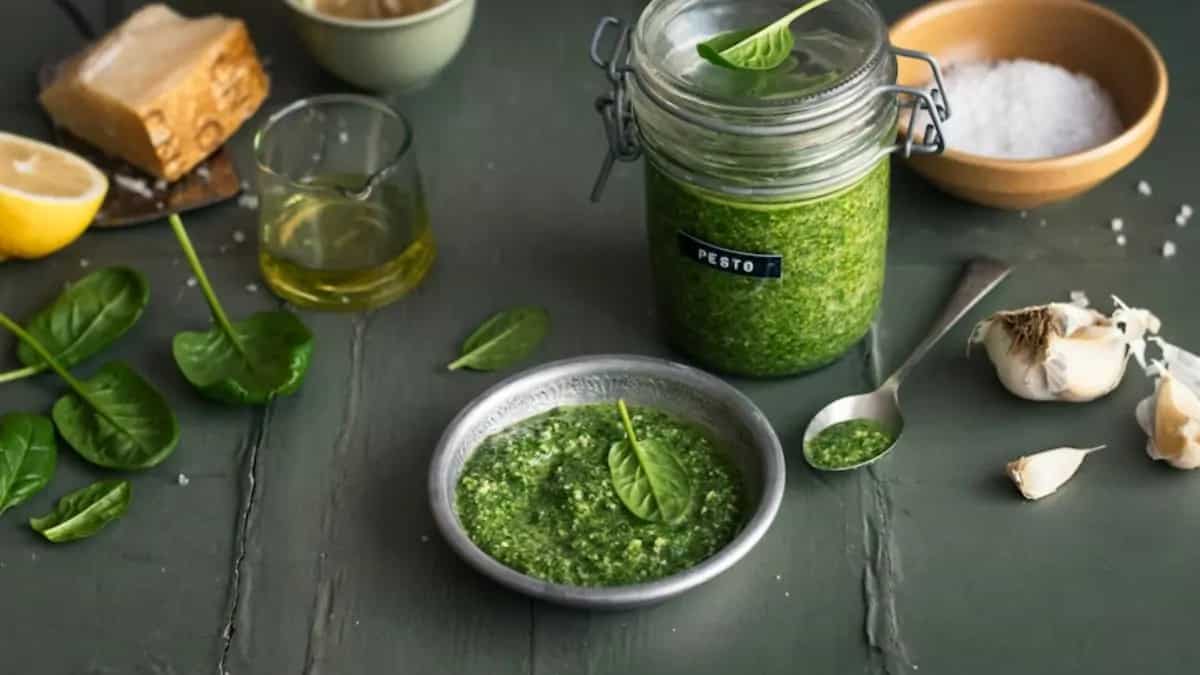
A few secret components at your disposal make it much simpler to produce delectable, healthful foods. Pesto is one such component and is a common fixture in many contemporary kitchens. Perhaps you were unaware of the power of the food pesto. It complements every meal well, and the world cannot get enough of it.
Italian-born pesto is a condiment, sauce, and topping. It is composed primarily of basil, garlic, and olive oil. Additional versions include red pepper, with pine nuts, and sundried tomato. Fresh herbs give many recipes a superior flavour and aroma that is reminiscent of summer. What you need to know about pesto is that the condiment can lose its green colour and taste very fast.
The main issue is while flavour lasts well, the colour fades far too quickly. What was once a vibrant, freshly plucked green can rapidly become dark and murky, especially after a spin in the food processor. There are numerous methods for preventing this, which this article will discuss. These suggestions and ideas are for anyone who enjoys making pesto-based meals on a daily basis.
Using Fresh Ingredients
The first and most important tip for perfecting any dish is to always use fresh ingredients. To create pesto at home, use brilliant green basil leaves, freshly grated cheese, and high-quality olive oil. When the ingredients are right, you'll get a pesto with a fresh basil flavour and deep nutty notes. Pesto is one of the few sauces that is as visually appealing as it is on the palate; bright, intensely aromatic, and full of fresh, zesty flavour.
Image Credit: Pexels
Adding Ice Cubes
It sounds almost too simple, but adding a single ice cube to your pesto while mixing prevents the basil from becoming brown. The reason is heat and oxidation. When basil leaves are diced or blended, the cell walls break down, exposing them to air. That interaction, combined with the heat generated by a food processor's blades, causes the colour to darken.
Blanching Basil Leaves
This is a well-known method in the culinary world because blanching basil, briefly boiling, then shocking in icy water, deactivates PPO and prevents browning. It works, and the colour remains constant; however, when blanched, basil takes on a spinach-like green colour, it loses some of its distinctive fresh flavour. The technique reduces the herb's vibrant, aromatic scents and dulls its natural sharpness. Try chewing a blanched basil leaf next to a fresh one and you'll notice the difference right away.
Image Credit: Pexels
Lemon Juice
While lemon juice is not as effective as blanching in inhibiting enzyme action, it is nevertheless a useful deterrent. In this situation, browning will be significantly delayed, and the pesto will keep its brilliant green colour for far longer than the room-temperature water version. Acids such as lemon juice and vinegar denature proteins, including PPO enzymes, by breaking the connections that keep them three-dimensional. When the pH drops, the hydrogen ions (H+) generated by the acid react with charged amino acid side chains in the basic proteins. This interaction neutralises those charges and breaks both ionic and hydrogen bonds, causing the proteins to unfold and lose their functional shape.
Freezing Basil Leaves
What if you completely froze the basil leaves before blending? Could freezing preserve colour without the diluting effects of ice? Freeze fresh basil leaves in a flat layer, no blanching or oil, just raw leaves. When you take them out the next day, they will appear a little dull and brittle compared to fresh ones, but they will still be usable. Blend the frozen basil with cold, chilled water, with a resulting temperature after blending of 8°C, which is securely below the enzyme activation zone. The mixture remains green and does not turn brown as quickly as room-temperature leaves do.
Image Credit: Pexels
Processing Techniques
You can either use a mortar and pestle for grinding the leaves or simply use a food processor or a hand blender. If using a kitchen appliance, make sure you chop the garlic, add toasted pine nuts and then process till finely chopped. Next, add basil leaves in batches and pulse. The short bursts will help you reach the desired consistency more efficiently and keep the green pesto green longer.
Proper Storage Of Pesto
Once you've created your brilliant green pesto, appropriate storage is vital to maintain it that way and prevent oxygen exposure from restarting the browning process. Use an airtight container to prevent air from circulating and causing oxidation. You can also top with a coating of olive oil since this functions as a sealant, preventing oxygen from reaching the surface. Once you have made your pesto, refrigerate it immediately because at lower temperatures, enzyme activity slows and browning is delayed. Even with these safeguards, browning may occur on the surface over time. However, under the oil seal, the pesto can remain bright green and flavourful for several days!