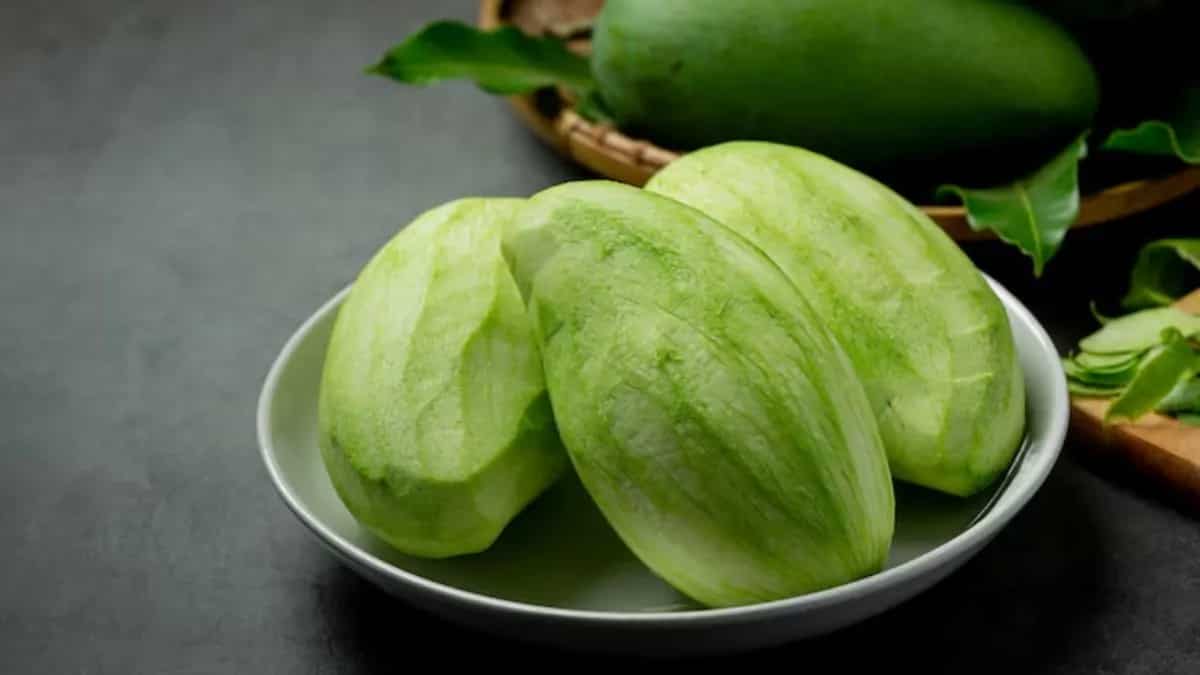
The season of Raw mango, or kaccha aam, has arrived, and it is not just an ingredient, but an emotion in Indian households. It signals that the summer season has arrived, can be seen in sun-drying pickles on terraces, and is the base of the much-loved aam panna, which almost everyone swears by in the summer season. For many, its strong, mouth-puckering taste is linked to childhood and nostalgia, when it was eaten simply with salt and chilli.
But as comforting as these classics are, sometimes there is an urge to make something new and different from the same old things. What often gets forgotten is how deeply raw mango is used in many interesting regional cuisines across India. Its tang is not just to add to drinks or pickles, but it is also used to lighten dals, sharpen the curries, and even as a substitute for tamarind in some dishes. More importantly, it fits in the season: cooling, full of digestive properties, and also flavour-enhancing.
If you are looking to try the kaccha aam in some enjoyable ways in this summer season beyond the usual, these regional dishes show how raw mango can feel new, without losing its originality and familiarity.
Aam Ki Dal, Andhra Pradesh
In many Andhra kitchens, raw mango is used in everyday dal, where its tang cuts through the heaviness of lentils. The dish is simple and nothing complicated. Simple soft toor dal is cooked with chunks of raw mango that turn soft just enough to release their sourness. It is then tempered with mild spices and a fragrant tempering of mustard seeds, garlic, and curry leaves. What makes this dal stand out is its balance: the mango does not overpower or change but quietly elevates the dish, making it much lighter and more appropriate for summer lunches, making it a comfort food with a seasonal hint.
(Image credit: Freepik)
Kairi Rice, Tamil Nadu
Kairi rice is the kind of dish that feels both functional and also filled with flavours. Often prepared with leftover rice, it uses the grated raw mango to get a sharp, fresh contrast to the softness of the rice grains. The tempering of mustard seeds, curry leaves, peanuts, and dried chillies adds crunch and warmth to it, making every bite feel textured and fragrant. The mango is not cooked through for too long, so it maintains its brightness, giving the dish a little tangy and zesty finish. It is light, quick to make, and perfect for days when you want to have something flavourful but also not too heavy.
Kairichi Kadhi, Maharashtra
This version of kadhi swaps the use of the usual buttermilk tang for raw mango, making a flavour that feels much sharper and extremely seasonal. To make this kadhi, the mango pulp is gently cooked with besan and a hint of jaggery, making a balance of taste between sour and sweet that describes the dish. Unlike the other heavier gravies, this kadhi feels more delicate and soothing, particularly when paired with rice, giving a hint of season in every bite. The subtle addition of jaggery rounds off the sharpness of the mango, making it a comforting and refreshing meal option during hot summer afternoons when you do not want to have too much heavy food.
Aam Ki Launji, North India
Aam ki launji is something between a chutney and a pickle and is loved for its glossy, sticky texture and bold aromatic flavour. Prepared by slow-cooking raw mango and adding jaggery and spices such as fennel and chilli, it makes a deep sweet-sour taste that remains with you for a longer time. The mango turns soft but still has chunky pieces. It is best enjoyed with hot parathas freshly off the tawa, alongside parathas, where its tangy sweetness cuts through every bite. In many households, aam ki launji is prepared in large batches at the start and enjoyed throughout the season.
(Image credit: Shutterstock)
Raw Mango Rasam, South India
This is a summer-friendly rasam that uses raw mango in place of tamarind, which gives the broth a softer tang. The mango is simmered just enough so that it infuses its flavour into the broth, along with some tomatoes and spices. The result is a light, fragrant broth that feels both comforting and refreshing, perfectly adhering to the season. Unlike the heavier curries, this rasam is easy to sip and digest, making it perfect for hot days. It has warmth from the spices but ends with a gentle sourness that remains pleasantly on the palate.
Keri No Chundo, Gujarat
Keri no chundo is a traditional Gujarati preserve that uses raw mango in its sweetest, most indulgent form. Unlike other chutneys, this is slow-made by grating raw mango, which is mixed with sugar and mild spices, then left to mature, often under sunlight, until it turns glossy and also thick. The result you get is a sticky, jam-like finish with a perfect balance of sweet, tangy, and lightly spiced flavours. It pairs perfectly with thepla or plain rotis, giving a burst of flavour to even the simplest of meals. What makes chundo special is its longevity, as it’s not just seasonal, but also something you can enjoy well beyond just the summer.