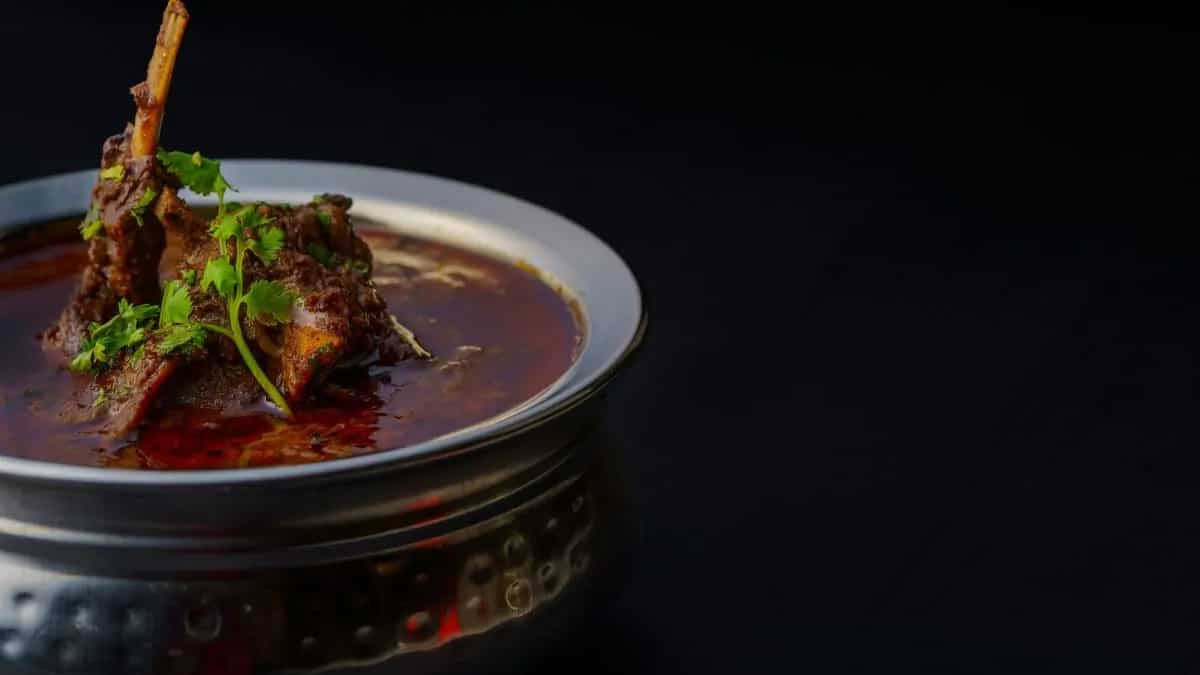
The cuisine of eastern Maharashtra, also known as the Vidarbha region, is generally characterised by its robust flavours and bold use of spices. One dish which endures as an unapologetically fiery and rich gravy from this cuisine is the Nagpuri saoji mutton. The dish derives its name from the masala used to cook the meat, made from dry coconut and spices, thickened with a bit of jowar flour.
Mutton cooked in this spicy, fiery curry paste is full of intense, delicious flavour and is traditionally prepared to counteract the high temperatures of the warm Vidharbha region. With the mercury rising as summers make a gradual appearance, prepare quick saoji mutton for a weekday dinner using some tips that will infuse the precise Nagpuri flair into this famed gravy.
Freshly Roasted And Ground Saoji Masala
One of the cleverest tricks in the book to prepare the perfect saoji mutton is to make a gravy using fresh masala. The flavours are more prominent, the aromas highly pronounced and the spiciness quite intense in a freshly ground curry paste. Make a traditional saoji masala at home using dry coconut, poppy and sesame seeds, pepper, cloves, cinnamon and a generous helping of dried red chillies.
Dry roast each spice separately until they release their aromas and then grind into a smooth paste. Roast the dry coconut until it becomes deep brown but not burnt. Avoid any store-bought powdered masalas as they will take away from the intensity and freshness of the saoji paste.
Choose The Right Mutton Cuts
Bone-in mutton is the best for cooking saoji curry. It releases its own fats and oils into the masala, infusing the dish with fatty flavour. The gravy then becomes richer and more complex.
Always use bone-in mutton or curry-cut goat pieces because these carry a slightly sweeter, fleshier note that balances out the fiery kick of the saoji masala. Avoid slim or lean mutton cuts as they will be unable to absorb the saoji masala, whose intense heat will become too overwhelming without the meat’s fatty content.
Slowcook For Depth
Cooking saoji mutton on a weekday can actually be quite a soothing activity. That’s because saoji mutton requires you to follow the leisurely, slow-cooking technique which turns this culinary experience into a recreational activity after a day of work. Cook the masala with onions on a low to medium flame until the oil separates.
Mutton can be added next and simmered in the masala for an additional 45 to 50 minutes until it cooks perfectly. The longer the mutton and masala cook on the flame, the darker and more complex the gravy becomes. Authentic, Nagpuri saoji mutton cannot be rushed, so let it cook completely so it gets its signature intensity.
Balance The Heat
Those who prefer spicy foods and turn to saoji mutton to bring that bold kick into their meal can comfortably work with the intense taste of the masala. However, the heat in the saoji masala has to be layered so it comes through adequately without becoming overpowering.
Build on this spice gradually by using a mix of very spicy chillies and mildly flavoured but brightly coloured ones to bring in both heat and colour. Add lots of black pepper for an aromatic depth. Finish off with a hint of red chilli powder but avoid overdoing it. The spiciness should unfold slowly on the palate, leaving a lingering heat behind.
Rest Saoji Mutton Before Serving
On weekday nights, most of us are in a rush to get dinner over with. But nights reserved for this elaborate recipe demand more gastronomical enthusiasm. Once the mutton gravy is off the flame, let it rest for at least 20 minutes before serving. This allows the flavours to meld and the spices to settle. The oil in the dish also rises well, making the mutton gravy appear so much richer, fiery and mouthwatering.