


 Share
Share

As the rainy season continues across India, cooking habits shift. People start looking for food that feels warm but also light. Deep-fried snacks are still popular, but they do not always feel ideal for everyday eating. Soups become a practical and nourishing choice during this time. In most Indian homes, the idea of soup still leans western, something you begin a meal with, or maybe serve when someone is unwell. But that has been changing. Across cities and smaller towns, you now find a growing interest in regional soup recipes, broth-based meals, and even Asian-style noodle soups that are adapted using local ingredients.
These fusion soup recipes are rooted in real flavour pairings. They are not about mixing random cuisines together. Each one is built to suit the monsoon season in India. The ingredients are balanced to avoid heaviness and keep digestion easy. You can prepare them in large batches or make quick single servings when you need something warm after getting caught in the rain. There is no need to follow exact proportions. The ideas listed here give you a flavour map, not a rulebook.
1. Vegan Miso-Moong Broth With Tofu And Spring Onion
Moong dal water is often discarded after boiling, but it makes a great base for vegan soup. If you add a spoon of white miso paste to it, you get a savoury broth that is full of umami and protein. This broth can be served with soft tofu cubes, spring onions and sautéed mushrooms. The texture is clean and warming. The miso gives it depth, while the moong water brings an Indian nutritional base.
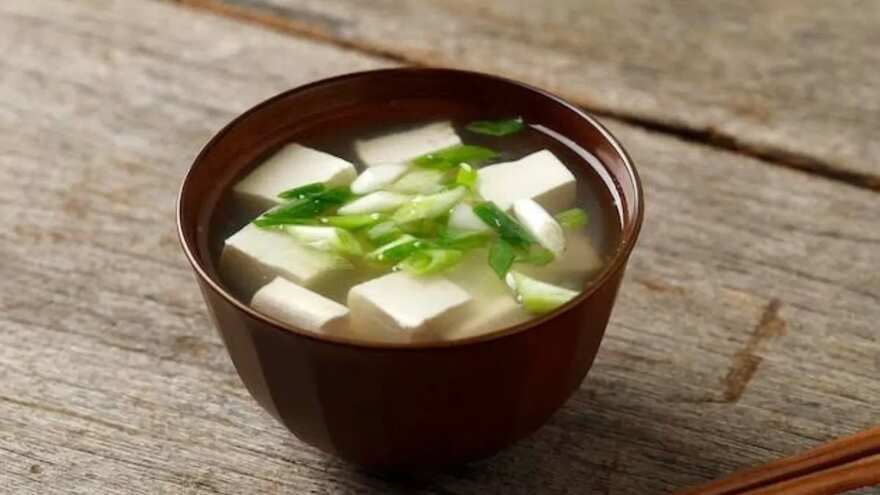
This soup works well when you want to avoid dairy or meat but still need something filling. Miso paste is becoming easier to find in Indian metro cities, especially white or shiro miso. If you do not have it, you can use a bit of crushed fermented rice or even homemade soy chutney for a similar effect. The trick is to add the miso after turning off the heat to avoid breaking its flavour. This kind of soup fits into both Japanese and Indian ideas of comfort food, without needing too many changes.
2. Vegetarian Tomato Rasam With Roasted Bell Pepper And Basil
Rasam is already a popular soup-style dish in South India. It is usually made with tamarind, tomatoes, spices and a bit of dal water. To make this version more layered, you can add roasted red bell peppers and a few torn basil leaves towards the end. The bell peppers bring a smoky note, while the basil lifts the flavour in a way that reminds you slightly of tomato-based Italian broths. This fusion works because the acidity of tomatoes and tamarind blends well with the sweetness of roasted peppers. You do not need to add cream or cheese. Serve it plain or with a bit of cooked rice if you want a fuller meal.

The idea came from kitchens in Bengaluru, where rasam often gets personalised depending on what vegetables or herbs are lying around. Adding basil came from trying to use up leftover herb pots, not from a restaurant recipe. Bell peppers, especially the red ones, give the rasam a richer texture without changing the basic idea. For spice, use freshly ground black pepper and a few mustard seeds in ghee.
3. Chicken And Curry Leaf Broth With Glass Noodles
This soup takes a clear chicken broth base and infuses it with curry leaves, ginger, garlic and green chilli. Once strained, you add in cooked glass noodles and a bit of shredded chicken. The result tastes light but still bold. It does not need cream or thickening. The curry leaves give it a South Indian feel, but the noodles and clear broth keep it closer to something you might find in Thai or Vietnamese cuisine.

Many Indian home cooks have started to replace wheat noodles with glass noodles or rice vermicelli when making quick soups. These alternatives feel easier to digest and work well with the kind of broths we make using chicken bones. You can simmer the bones with onion and ginger for an hour and then strain everything. Add a splash of lemon juice before serving. If you do not have glass noodles, you can use thin rice sevai.
4. Goan Coconut Soup With Prawns And Lemongrass
Coconut milk and seafood are already a natural pairing in Goan cuisine. This soup takes that idea and gives it a coastal Asian-style twist by adding lemongrass and kaffir lime leaves. The base is made using lightly sautéed onion, garlic, and ginger. You add in coconut milk and water, then infuse it with the lemongrass and lime leaves for 10 minutes. Drop in fresh prawns and cook for 2 to 3 minutes just before serving.

This recipe borrows from Thai tom kha soup but keeps the Indian flavour palette in mind. There is no fish sauce or galangal here. Instead, it uses what is available in West Indian coastal towns. The kaffir lime leaves are sometimes available at local vegetable markets or online grocery stores. If not, a small amount of lemon zest can be used as a backup. The balance of spice, sourness, and creaminess feels just right during the rains, especially if you live near the sea.
5. Kashmiri Yakhni-Inspired Mutton Soup
Yakhni is a traditional Kashmiri dish made using mutton and curd-based broth, often flavoured with fennel and dry ginger. This version turns that concept into a slow-cooked soup using barley as a base. You simmer mutton bones and pieces with fennel powder, dry ginger powder (saunth), a small amount of cinnamon, and cloves. Instead of adding curd directly, you stir in a small amount of yoghurt right before serving to keep the soup from splitting.
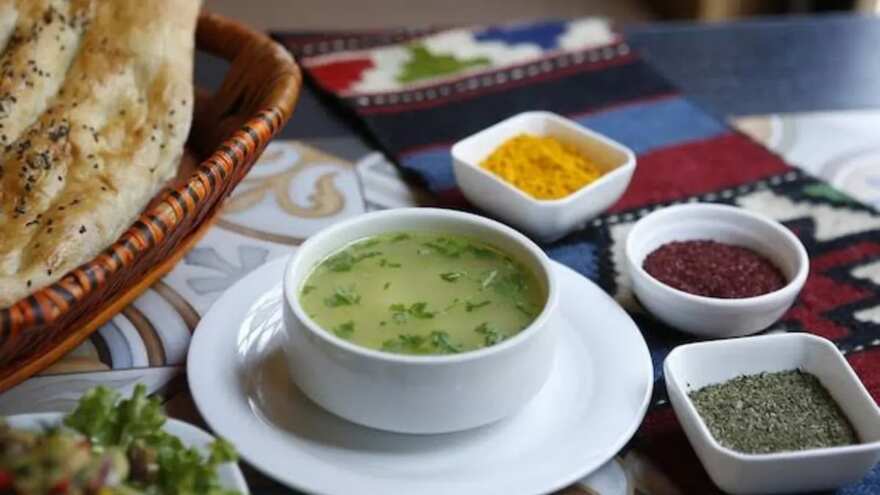
Barley gives the soup body and makes it feel closer to a one-bowl meal. This kind of fusion is not common in restaurants, but many home kitchens in the north have started combining traditional broths with grains to make the dish more complete. You can cook the barley separately and add it to the soup later. The mutton should be tender, but not falling apart. This soup feels heavy enough for dinner, especially during colder monsoon nights in the northern states.




