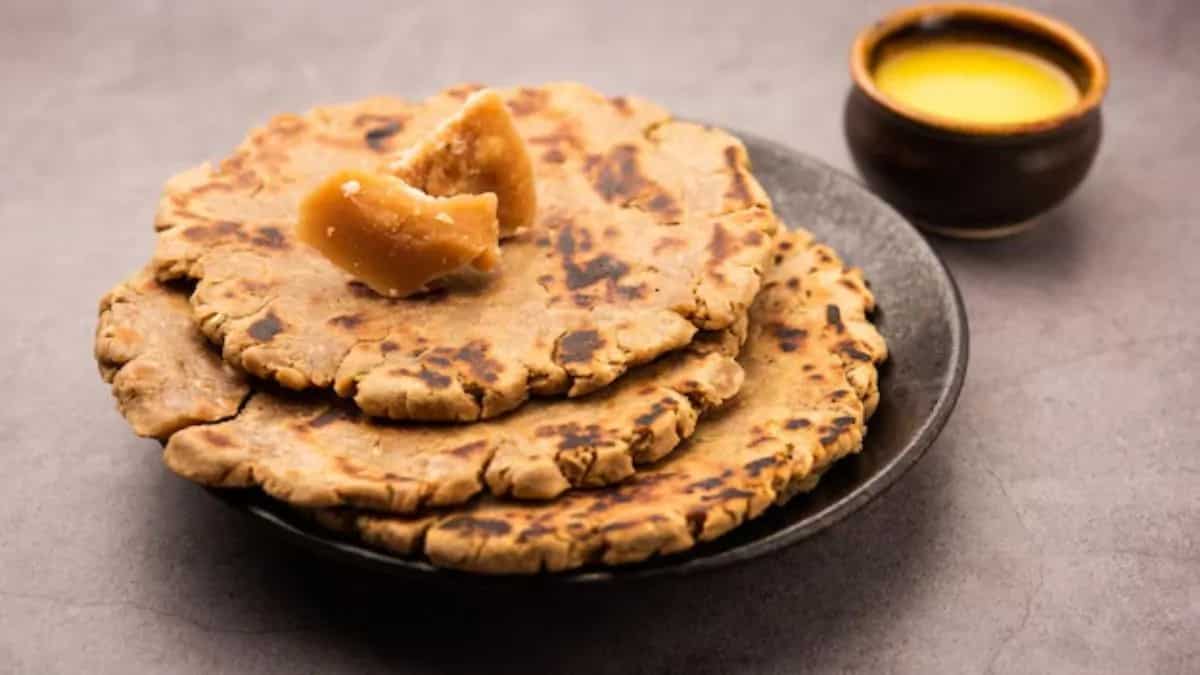
In India, flatbread is never just bread, but it is geography, climate, habit, and more memories pressed through generations. These regional breads belong so deeply to the home states that they refuse to travel well. Prepared with local grains, water, and hands that were trained over generations, they do not behave the same once removed from their terrain. Try making them elsewhere, and something will feel off: the texture cracks, the aroma disappears, the rhythm of cooking goes missing. That is because these breads were not designed for restaurant menus or for long journeys; they were prepared to be eaten fresh, often straight off the tawa and shared with seasonal sides and local flavours.
They flourish in specific kitchens, i.e., mountain homes, coastal bakeries, rural courtyards, where weather, soft fermentation and instinct replace measurement. To enjoy them properly is to slow them down, tear with your fingers, and let the accompaniments do their work. These flatbreads do not seek popularity, but they quietly carry their states together.
Siddu, Himachal Pradesh
Siddu is not just a bread; it’s a mountain food staple that understands the cold better than anybody. Prepared from fermented wheat dough and steamed, it thrives in Himachal’s slow, wood-fired kitchens. Outside in any other state, Siddu loses its core- fast kitchens, rushed fermentation process, and steamers replace the hearths. Siddu is stuffed with poppy seeds or walnuts and is eaten with ghee and dal when winter is at its peak. Siddu does not travel well because it is meant to be eaten fresh, hot, and slowly, just like life in the hills.
(Image credit: Freepik)
Bhakri, Rural Maharashtra
Bhakri is thick, rustic, and dry. Prepared with jowar, bajra, or nachni, it depends on the quality of local grain and muscle memory more than just the recipes. Outside Maharashtra, bhakri usually turns brittle or dull because the flours act differently. Traditionally, bhakri is cooked on open flames and prepared by patting with hands. Bhakhari is meant to be torn, not sliced, and is paired with pitla or thecha. Bhakri does not go outside because it cannot be soft, fluffy, or polite, and that’s exactly what its charm is.
Vettu Cake, Kerala
Vettu cake is a blurry line between bread and a snack. Slightly sweet, deep-fried, and cracked open mid-fry, vettu cake depends on Kerala’s coconut oil and humidity to get its signature split. Outside at any other place, it becomes either too oily or cakey, and never of the right texture. Enjoyed over a cup of tea during monsoon afternoons, vettu cake is not designed for a long shelf life or for transportation. It is usually prepared in bakeries that know when to cut, fry, and serve it warm.
(Image credit: Freepik)
Chilra, Chhattisgarh
Chilra may look simple, just rice batter spread thinly, but that’s tricky. Prepared from freshly soaked rice and sometimes chana dal, it requires the right water, climate, and correct pan heat to turn lacy and soft. Outside Chhattisgarh, it is often mistaken for a usual dosa or is cooked incorrectly. Chilra is paired with green chutney for the ultimate taste. Chilra does not travel because it is a home-baked bread, which is made by feel and eaten immediately off the tawa.
Akki Roti, Interior Karnataka
Akki roti prevails in Karnataka because hands there understand the rice flour. Prepared by patting wet dough directly on a banana leaf or pan, akki roti cracks easily if the process is rushed. Outside any other state, it turns rigid or breaks mid-way cooking, frustrating cooks who use elastic wheat doughs. Paired with onions or grated coconut, akki roti is breakfast energy, not packaged food. It does not scale because it requires patience, wet palms, and local rice- things no central kitchen can normalise.
(Image credit: Freepik)