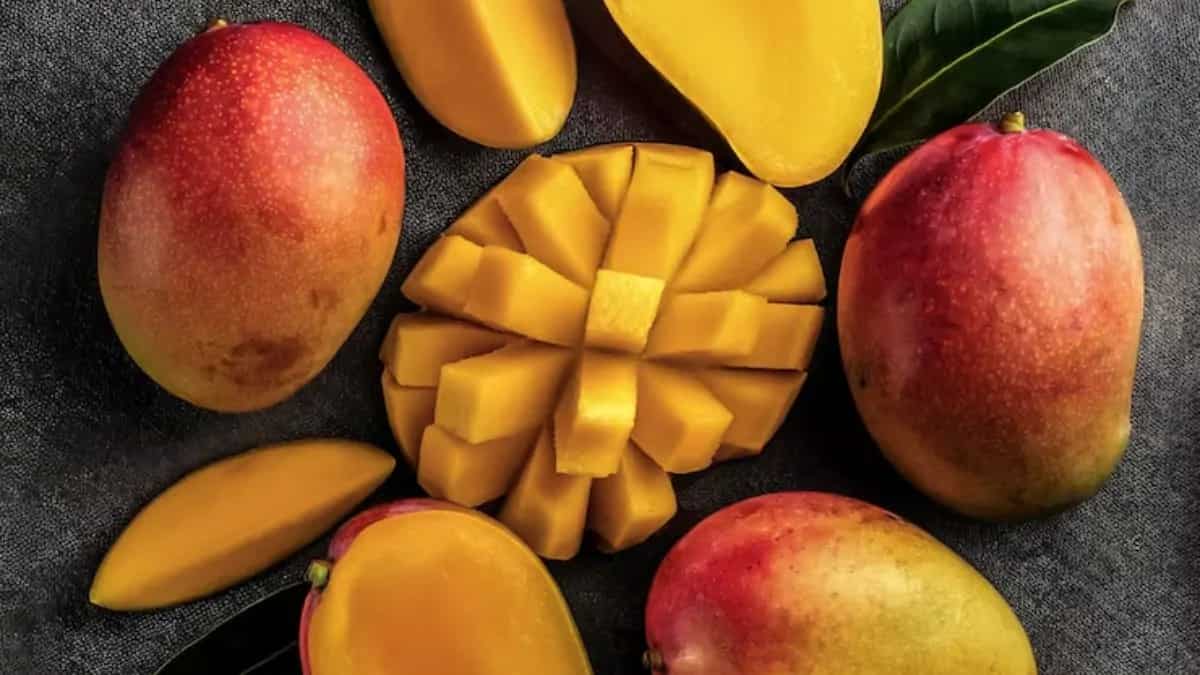
Prime Minister Narendra Modi is often seen carrying the regional Indian crafts, textiles, and food products with him during his diplomatic visits, showcasing different parts of the country through his thoughtful gifts. During one of his recent international visits, he presented Gujarat’s GI-tagged Kesar mangoes along with Meghalaya’s premium pineapples, drawing attention to India’s rich regional crops once again. The action also reminded that how several Indian fruits, despite being deeply valued in their home states, still do not get the global recognition they actually deserve.
While fruits such as Alphonso mangoes are already widely acknowledged, several other GI-tagged Indian fruits are still unfamiliar outside their home states. Some are too fragile to travel the long distances, whereas others are grown in smaller quantities and sold primarily in the local markets. But what makes them unique is not just their taste, but the flavour of specific regions, climates and farming practices that have been existing for generations.
What Is A GI Tag And Why Does It Matter?
A Geographical Indication (GI) tag is assigned to products that are strongly linked to a distinct region because their quality, importance or characteristics come straight from that place. In terms of food, this often has climate, soil conditions, farming methods and the local expertise that have been passed down through generations.
GI tag is also important because they cover the regional identity and helps in preserving the traditional agricultural practices. They also prevent the imitation products from being falsely sold under famous regional names. For farmers, GI recognition can also increase the market value while helping the local produce gain a strong national and global acclaim over time. Here are a few GI-tagged fruit varieties that deserve far more attention.
Gir Kesar Mango
Grown especially around the Gir region of Gujarat, Kesar mangoes are loved for their deep saffron-coloured pulp, rich sweetness and intense fragrance. The fruit has received GI recognition because of its special taste profile related closely to Gujarat’s climate and the climate conditions.
Unlike other fibre-heavy mangoes, Gir Kesar feels smooth, juicy and extremely aromatic, making it a famous choice for aamras, shrikhand, milkshakes or desserts. The fruit is particularly loved because it ripens evenly and has balanced sweetness without overwhelming other tastes. Despite being listed as one of India’s premium mango varieties, it still gets less international attention when compared to Alphonso mangoes.
(Image credit: Freepik)
Khasi Mandarin
Khasi mandarins from Meghalaya are smaller than many other commercial oranges but have sharp sweetness and a refreshing citrus taste. The fruit grows naturally across the hilly terrains where the cool temperatures and rainfall beautifully shape its flavour.
Locals usually eat them fresh, but the fruit is also used in juices, preserves and also in traditional seasonal snacks. The GI tag identifies not only the fruit's flavour but also the indigenous agriculture methods tied closely to the landscape of Meghalaya. What makes Khasi mandarins unique is their bright fragrance and juicy details that taste much fresher and also lighter than other heavily processed supermarket-based citrus fruits.
Vazhakulam Pineapple
Also known as the “Queen of Pineapples,” the Vazhakulam pineapple, hailing from Kerala, has received GI status because of its naturally sweet taste, low fibre content, and unusually satisfying fragrance. The fruit grows particularly well in the humid tropical climate of Kerala.
Unlike overly acidic pineapples, this type feels much softer and also sweet and not edgy, while still having the sharpness that feels refreshing. It is widely used in juices, pachadis, fruit salads and also in desserts across South Indian cooking. The texture of the fruit also makes it easy to consume it fresh when compared to tougher commercial pineapple types that are often exported globally.
(Image credit: Freepik)
Pryagraj Surkha Guava
Pryagraj Surkha guava stands out because of its unique pinkish-red colour and the floral taste. Grown around Prayagraj in Uttar Pradesh, the fruit has gained GI recognition for its distinctive colour, soft skin and the fragrant taste.
The guava tastes much softer and sweeter than the other, more common varieties, while having fewer seeds inside. Locally, it is eaten fresh by sprinkling black salt from the top. The fruit’s naturally vibrant hue also makes it visually appealing, though surprisingly few people beyond North India know much about it despite its long-lasting reputation.
Coorg Orange
Coorg oranges from Karnataka are deeply associated with the coffee-growing hills of Kodagu. The fruit has a bit of tartness that is balanced with sweetness, making it particularly refreshing during the winter harvest seasons.
Unlike the glossy commercial oranges, Coorg oranges often look rustic from the outside, but the flavour within feels far more intense and fragrant. They are used in juices, homemade marmalades and the traditional preserves across the area. Their GI tag shows the unique microclimate of the Coorg hills, where mist, rainfall and the elevation shape the fruit’s flavour.
(Image credit: Freepik)