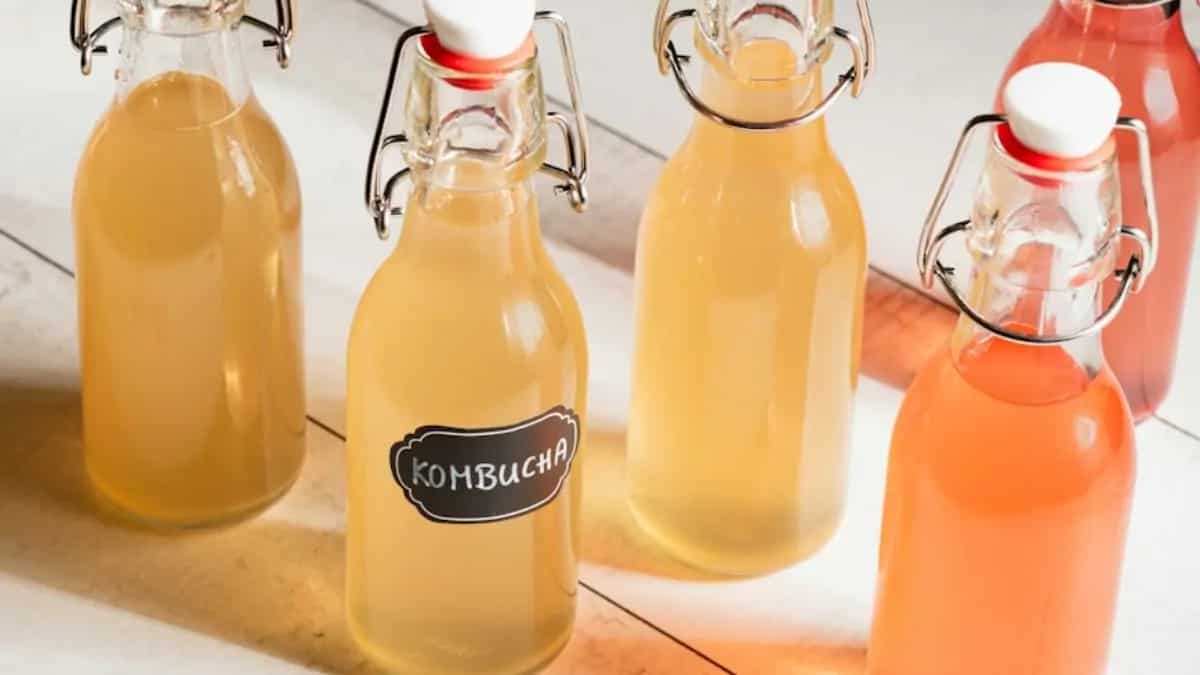
The origins of kombucha lie somewhere in East Asia, where it has been around since the 19th century. Yes, kombucha isn’t something new in the world. It made its way to the United States and got popular instantly for the simple fact that a drink like that could be made at home easily. Made with sweetened green or black tea (and sometimes both) that ferments for a month, SCOBY (Symbiotic Colony of Bacteria and Yeast) is the primary fermentation element for Kombucha, which is also known as a probiotic tea. Eventually, creating live microorganisms that are said to be beneficial. Due to all the ever-growing good bacteria and yeast in the tea, it is said to be highly acidic and packed with B vitamins, antioxidants, and a little bit of alcohol due to the fermentation process. And if you want to make it at home, just so you can save yourself a grocery run, here are a few tips and tricks to keep in mind.
Make Sure SCOBY Gets Produced
The idea of a SCOBY is not particularly enticing. A slimy, flat disc where the bacteria and yeast cultures that transform sweet tea into kombucha are kept. SCOBY stands for Symbiotic Colony Of Bacteria and Yeast. By dissolving the sugars and turning them into acids, including amino acids, vitamins, enzymes, and alcohol, the odd-looking layer achieves this and produces the fizzy beverage we are all familiar with. Each time you make kombucha, a fresh SCOBY is created, commonly known as a "baby" SCOBY. The SCOBY also aids in the fermentation of sweet tea to produce additional kombucha. It is essentially the mechanism by which kombucha reproduces. SCOBYs are typically cream to light tan in colour, and they typically turn browner with age. The brewer, the atmosphere, and the ingredients used all have an impact on the form, size, and colour of a healthy SCOBY.
Maintain The Correct PH Levels
Overproduction of acetic acid during fermentation might inhibit the development of bacteria if the pH level rises beyond 4.2. Excessive acidity in a product might have negative health effects. To check the pH levels in your homemade kombucha, use pH strips. When adding the SCOBY, keep the temperature at 20 degrees Celsius or lower. An overabundance of microorganisms might result from a warmer atmosphere, rendering it dangerous to consume.
Image Credit: Unsplash
Either Preserve Or Pasturize Kombucha
The kombucha is best heated. To pasteurise the kombucha, raise the temperature to 82 degrees Celsius and maintain it there for at least 30 seconds before cooling is possible. Although most germs, both good and bad, are eliminated by pasteurisation, this procedure is advised to avoid negative consequences from dangerous bacteria. Because you can also preserve the kombucha, sodium benzoate and potassium sorbate are excellent substitutes for pasteurisation in order to preserve the drink's probiotic advantages, by halting the fermentation process. If you are hooked on kombucha, making it at home can be cost-effective. Because kombucha is created from a fermentation process, there are food safety precautions to keep in mind to create an overall safe product.
Refrigerate Homemade Kombucha
The best way to store kombucha is to maintain minimal quantities of bacteria and acetic acid, at roughly the usual refrigerator temperature. The pH level, yeast growth, and alcohol content all affect how long your kombucha will last on the shelf. The alcohol content should not be higher than 0.5%, and the pH should remain between 2.5 and 4.2. Mould that is black, grey, brown, green, or even blue is an indication of yeast growth.
Image Credit: Wikimedia Commons
Choose The Right Storage Material
Kombucha may be safely stored in some clay pots. However, clay can contain lead, which can leach into the kombucha, so always look for caution labels. You can get a lead testing kit from a hardware store if you are not sure whether the container is safe. You can also use glass bottles and jars. As the kombucha ferments, a lot of gas and pressure may accumulate in the bottles. Selecting glass bottles with an airtight seal, such as flip-top bottles, is also crucial. The shape of the bottle is also important. Choose circular bottles instead of square or rectangular ones, such as those used for olive oil, as they are more likely to explode when high pressure builds up. Because glass bottles are transparent, keep your homemade kombucha in a bottle. away from the heat and direct sunshine, in a dark, cool, and dry location.