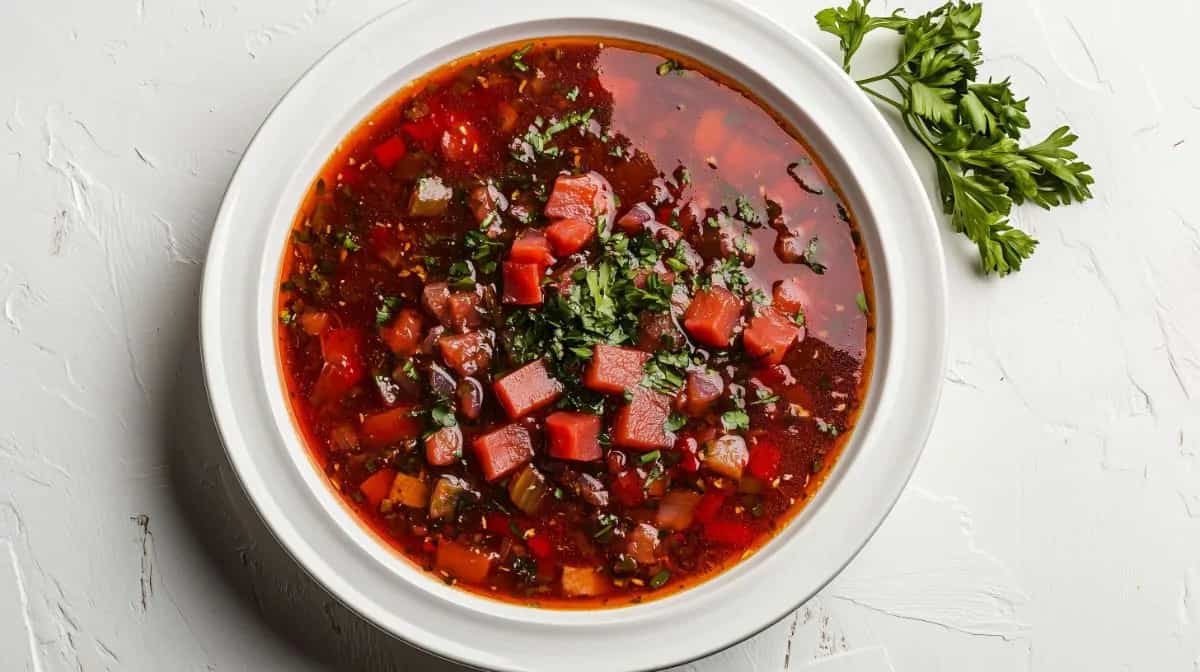
Soup culture in Asia is based on comfort, balance and the idea that it should warm one up while also being hearty. Often using ingredients that are both healthy and interesting, it makes beetroot a good fit for cooking. However, every area has its own beat in Asian cuisine. Many soups are made by slowly simmering them to bring out their natural flavours. This similarity makes beetroot soup variations an interesting choice because of its unusual nature as a staple ingredient for soups, where adds colour that is visually appealing.
5 Asian-Style Beetroot Soups To Try With A New Twist
1. Japanese-Style Beetroot Miso Soup
This soup combines the crisp, umaminess of miso with the earthy sweetness of beetroot. It is a mild introduction of beetroot in Japanese cooking because it is well-balanced and subtly sweet. Beetroot is first simmered until it is tender enough to break with a spoon. In order to prevent the heat from reducing the flavour, a mild miso paste is added towards the end once the colour has deepened for a unique taste. The beetroot is left in tiny pieces rather than being blended, making the texture chunkier. Soft tofu or steamed rice go nicely with it since they counterbalance the beetroot's sweetness.
(Image Credits: Freepik)
2. Korean Beetroot Doenjang Soup
Beetroot is introduced to the robust, savoury realm of Korean fermented tastes in this meal. The doenjang adds a rich, earthy salinity to the flavour, while the beetroot adds a subtle sweetness. A distinct flavour from the typical hot Korean soups is produced by the combination, which is earthy and spicy. The first step in preparation is to thinly slice the beetroot to facilitate its rapid softening. It is simmered in water until the texture becomes delicate and the colour turns red. Small amounts of doenjang are then added, allowing them to gradually dissolve and mix with the broth. It is commonly served alongside staples like steamed rice because the mild, broth-based structure is designed to complement grain-based sides rather than compete with them. Families typically prepare a large batch and allow the flavour to develop slowly, reflecting a technique rooted in slow cooking rather than rapid boiling.
3. Thai Coconut Beetroot Soup
Beetroot is incorporated into the traditional Thai coconut-based flavours of this soup. It has a subtle herbal scent that unifies everything, a creamy roundness from coconut milk and a mellow sweetness from beets. The beets balance out the coconut's richness, and the flavour remains subtle. The first step in preparation is to boil the beetroot until it is tender enough to mix. To make a well-balanced pinkish-red broth, it is blended with warm coconut milk once it is smooth. It takes on a smooth, well-rounded texture that matches the balanced, home-style taste resembling traditional evening soups. Simple vegetable spring rolls or jasmine rice go nicely with the soup since they contrast with the creamy foundation. To keep the flavour vibrant, you can sprinkle fresh herbs on top. Additionally, it retains the well-known structure while providing a milder substitute for bolder Thai soups.
(Image Credits: Adobe Stock)
4. Chinese Beetroot & Carrot Soup
Chinese beetroot and carrot soup sits in that space where simple dishes are more preferred, built around slow simmering rather than heavy seasoning. The beetroot brings earthiness, while the carrot adds natural sweetness, and the long cooking time pulls both into a clean, blended broth. In many Chinese households, this soup shows up as part of everyday meals, often served alongside rice because of its mild profile that balances heavier main dishes. The cooking technique relies on low heat so the vegetables release their colour gradually, giving the broth a warm, ruby-toned finish without turning thick or murky. It is also a common soup in Cantonese home cooking, where the focus is on gentle flavours that support the meal instead of competing with it.
(Image Credits: Freepik)
5. Indian Spiced Beetroot Shorba
Shorba traces its origins to the culinary traditions of the Middle East and Central Asia, where slow-simmered broths formed the foundation of daily meals. The word comes from the Arabic “shurbah,” which simply means “soup,” and the earliest versions were straightforward mixtures of meat, water, and a few aromatics cooked long enough to extract depth without complexity. Indian Spiced Beetroot Shorba provides a comforting and mildly spicy version of beetroot. The flavour blends mild spice that develops gradually with the inherent sweetness of the vegetable. Beetroot is first prepared by cooking it in enough water to allow the colour to intensify. After it is tender, it is smoothed out and returned to the saucepan with spices like coriander powder, chilli powder and turmeric. The soup retains its earthy, clear flavour– it is ideal for those who want an easy drinking broth with vibrant flavour.