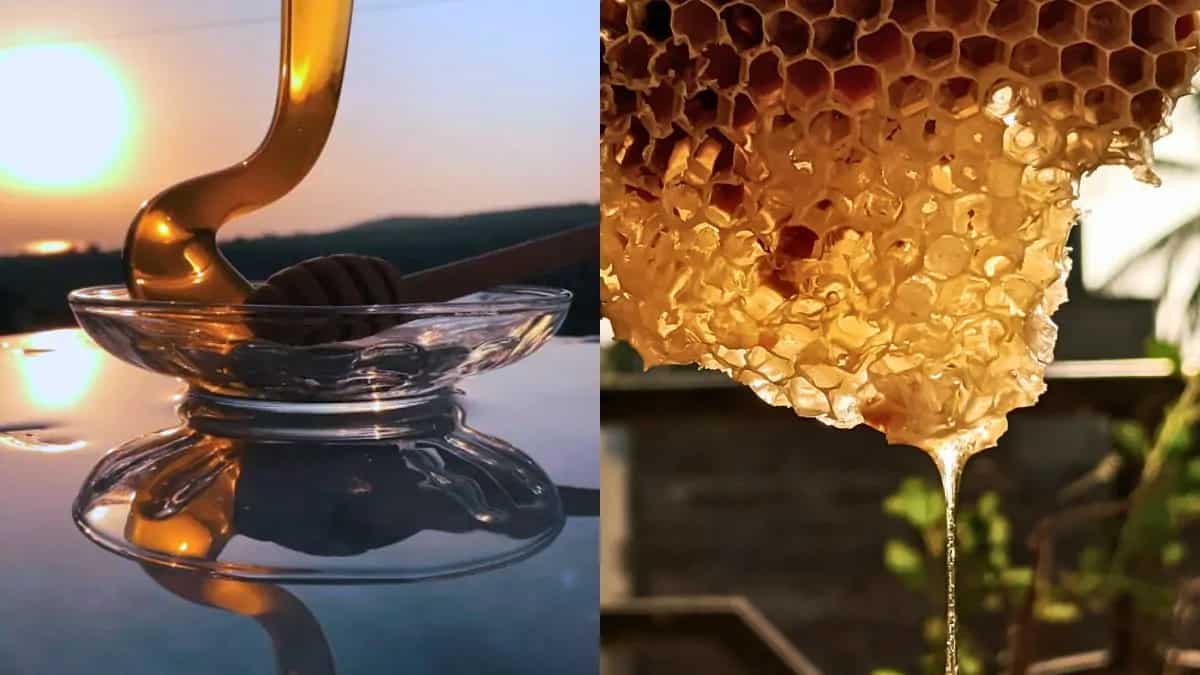
India is a land where the traditions of the past harmonise with the raw beauty of the natural world, and nowhere is this more evident than in the ancient practice of apiculture. From the Vedic ages when honey was celebrated as Madhu, the nectar of the gods, to the modern era where it is a staple in every Indian kitchen, this golden substance has remained a symbol of purity, health, and vitality. The Indian subcontinent is blessed with a staggering range of geographical zones, each possessing its own micro-climate and endemic flora. From the salt-sprayed mangroves of the east and the dry, arid plains of the west to the temperate valleys of the north and the tropical rainforests of the south, the diversity is reflected in the honey produced across these regions. Unlike mass-produced commercial honey which is often a blend of various sources and heavily processed to maintain a uniform look, regional Indian honey carries the soul of the soil. It is a product of the local environment, known as terroir, which dictates the colour, viscosity, and nutritional density of the final product. By choosing these regional variants, we not only nourish our bodies with superior nutrients but also support the traditional beekeepers and tribal communities who act as the guardians of our natural heritage.
Image credit: Pexels
1. Sundarbans Mangrove Honey (West Bengal)
The Sundarbans, the world's largest mangrove forest, produces a honey that is as wild as the tigers that guard it. This honey is collected by the traditional Mowali community who risk their lives entering the dense forests.
• What Makes it Special: It is a multifloral honey derived from mangrove species like Khalisha, Bani, and Geva. It is known for its high moisture content and natural antioxidants.
• Flavour Profile: A complex balance of sweetness with a distinct salty undertone and a woody aroma.
• Unique Making Process: Harvesting is strictly seasonal, occurring between March and June. It is wild-harvested from natural hives rather than boxes.
• Uses: Due to its high enzyme content, it is excellent for treating sore throats and boosting respiratory health.
Image credit: Pexels
Also read: Sundarban Honey Earns GI Tag For India Over Bangladesh: What It Means For West Bengal’s Economy
2. Kashmir White Honey (Jammu and Kashmir)
Often referred to as the champagne of honeys, this variety comes from the Robinia pseudoacacia (Kasmir Acacia) and Plectranthus rugosus (Shain) flowers found in the Himalayan valleys.
• What Makes it Special: Its stunning, near-transparent white colour and its resistance to crystallisation.
• Flavour Profile: Exceptionally mild and floral with a creamy texture that melts on the tongue.
• Unique Making Process: Bees forage in high-altitude, pollution-free environments during the brief flowering season of the Acacia trees.
• Uses: It is a premium table honey, perfect for drizzling over fruits or using in skincare routines due to its purity.
Image credit: Pexels
3. Coorg Coffee Blossom Honey (Karnataka)
In the lush hills of Kodagu, the arrival of white coffee blossoms in spring signals the start of a unique honey-making season.
• What Makes it Special: It is a mono-floral honey, meaning the bees predominantly forage on coffee flowers.
• Flavour Profile: Rich and slightly nutty with a delicate hint of coffee bean aroma, though it contains no caffeine.
• Unique Making Process: Apiaries are placed directly within coffee plantations during the short two-week blooming period.
• Uses: Its robust flavour makes it a fantastic accompaniment to breakfast cereals and pancakes.
Image credit: Pexels
4. Litchi Honey (Bihar)
Muzaffarpur in Bihar is famous for its litchi orchards, and the honey produced here is just as sought after as the fruit.
• What Makes it Special: It captures the exact essence of a fresh litchi fruit.
• Flavour Profile: Light, buttery, and incredibly fruity. It has a pale golden hue and a thin consistency.
• Unique Making Process: This honey is harvested immediately after the litchi flowering season to ensure the mono-floral purity is maintained.
• Uses: It is the preferred choice for sweetening cold beverages like iced tea and lemonades.
Image credit: Pexels
5. Himalayan Forest Honey (Uttarakhand)
This honey is a product of the pristine forests of the Shivalik ranges, where bees forage on wild herbs and wildflowers.
• What Makes it Special: It is rich in pollen and propolis, making it a powerhouse of nutrition.
• Flavour Profile: Deep, intense, and multi-layered. It often has a spicy or herbal finish depending on the season.
• Unique Making Process: It is often cold-pressed to retain the natural nutrients and enzymes that heat processing would destroy.
• Uses: Widely used in Ayurvedic preparations to enhance the efficacy of medicinal herbs.
Image credit: Pexels
6. Nilgiri Eucalyptus Honey (Tamil Nadu)
The Blue Mountains are home to vast eucalyptus plantations, which provide the primary nectar source for this therapeutic honey.
• What Makes it Special: It possesses strong antibacterial and anti-inflammatory properties inherited from the eucalyptus tree.
• Flavour Profile: Bold and moderately sweet with a distinct menthol-like cooling sensation at the back of the throat.
• Unique Making Process: The honey is harvested during the peak flowering of eucalyptus trees when the air is thick with their scent.
• Uses: An age-old remedy for clearing nasal congestion and treating common colds.
Image credit: Pexels
7. Sidr Honey (Rajasthan)
Sidr honey, derived from the Ber (Ziziphus mauritiana) tree, is one of the most expensive and revered honeys in the world, with India being a significant producer.
• What Makes it Special: It is known for its medicinal potency, often compared to Manuka honey.
• Flavour Profile: Dense, rich, and slightly medicinal with notes of butterscotch and caramel.
• Unique Making Process: The Ber trees bloom in the arid landscape of Rajasthan, and the honey is collected using traditional methods that ensure the thick consistency is preserved.
• Uses: Used for treating digestive issues and as a natural energy booster for athletes.
Image credit: Pexels
8. Ajwain Honey (Madhya Pradesh)
Produced by bees foraging on the tiny flowers of the Ajwain (Carom) plant, this honey is a staple in many Indian households for its digestive benefits.
• What Makes it Special: It carries the carminative properties of the Ajwain seed.
• Flavour Profile: Darker in colour with a strong, pungent, and spicy aroma that mimics the spice itself.
• Unique Making Process: Beekeepers migrate their boxes to Ajwain fields during the winter months when the crop is in full bloom.
• Uses: A teaspoon of this honey in warm water is a traditional remedy for bloating and indigestion.
Image credit: Pexels
9. Karanja Honey (Jharkhand and Odisha)
Karanja (Pongamia) trees grow abundantly in the tribal belts of eastern India, producing a honey that is deeply rooted in folk medicine.
• What Makes it Special: It is known for its skin-healing properties and high mineral content.
• Flavour Profile: Nutty and earthy with a dark amber colour and a slightly bitter aftertaste.
• Unique Making Process: Often harvested by tribal communities using sustainable wild-cropping methods that protect the bee colonies.
• Uses: Frequently applied topically to minor cuts or used in hair masks to promote scalp health.
Image credit: Pexels
10. Multi-floral Western Ghats Honey (Maharashtra and Goa)
The Western Ghats is a biodiversity hotspot, and the honey from this region is a complex cocktail of hundreds of forest flowers.
• What Makes it Special: No two batches are ever exactly the same, as the floral source changes with the micro-climate of the hills.
• Flavour Profile: A medium-bodied honey with a balanced sweetness and a lingering floral bouquet.
• Unique Making Process: It is typically harvested using traditional hive-box methods in the buffer zones of wildlife sanctuaries.
• Uses: An ideal all-purpose sweetener for daily consumption, providing a broad spectrum of local pollen to help fight seasonal allergies.