


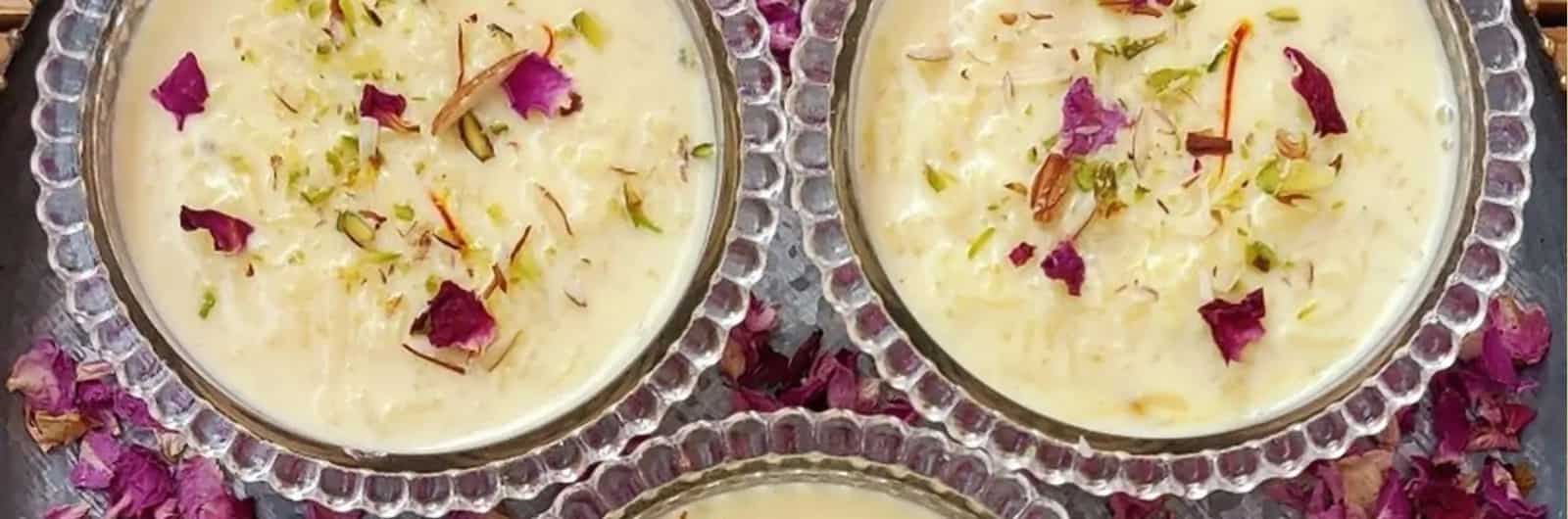
Rajasthani Meetha Oliya
Nutritional Value
1233
Calories
per serving
- Fat54 g
- Protein31 g
- Carbs154 g
- Fiber11 g
- Sodium0 g
- Others0 g
- Place of OriginRAJASTHAN
- CuisineAsian,Indian,Rajasthani
- Common Ingredients
- CourseDessert
Born out of the exigencies of an arid landscape, an unforgiving climate of extremities, and a politically vivid war-stricken past, the Rajasthani cuisine is one of the finest instances of the human spirit of resilience and imagination in the face of worst adversities. Owing to its myriad socio-cultural history, that finds an equitable influence of Rajputs, who loved game-meat, and Brahmins and Jains, who followed a stringent abstinence from non-vegetarian indulgences, the culinary repertoire of Rajasthan hosts a perfect blend of both vegetarian and non-vegetarian dishes. However, due to its significantly larger vegetarian population at present, it is the vegetarian palette that takes the lead in contemporary Rajasthani servings at home and in feasts, where Meetha (sweet) holds a flattering position in people’s hearts.
One such dessert delight from the colourful land of Rajasthan is the Meetha Oliya, traditionally prepared for the festival of Sheetala Ashtami, when it is customary to have cold food prepared a day prior, and an excellent complement to its savoury counterpart, the Namkeen Oliya of Rajasthan. The dish is a Marwari exclusive, holding a position of reverence and fascination in Marwari households all across the country. Though not as popular as the Dal-Bati-Churma, the Meetha Oliya is no less delectable to slurp on and no less important to a Rajasthani commoner.
The dish starts by whisking yoghurt in a bowl till smooth and creamy, followed by the addition of mashed cooked rice, sugar, cardamom powder, and saffron strands soaked in milk, and some more vigorous mixing. There is no conventional cooking involved, making it possible to create this sweet delicacy in the blink of an eye. The thick white mixture is topped with lavish droppings of cashew nuts, almonds, and pistachios, and tastes the best when served chilled.
The sweet acts as an excellent digestive aid owing to the yoghurt base while the mashed rice makes it a wholesome and filling indulgence. As is true of most Rajasthani dishes, the Meetha Oliya is a locally conceived delicacy that is more of a run-down tradition than a sudden culinary invention. However, the ingredients do portray a strong influence of the Rajputana and the Brahmanical traditions of the state. The addition of nuts and saffron may have started during the reign of Akbar when the Rajput coalition with the Mughals was at the peak of mutual trustworthiness and cultural exchanges, following Akbar’s marriage with the Rajput princess, Rani Jodha Bai.
Nutritional Value
1233
Calories
per serving
- Fat54 g
- Protein31 g
- Carbs154 g
- Fiber11 g
- Sodium0 g
- Others0 g