


Moz ka Meetha
Nutritional Value
925
Calories
per serving
- Fat38 g
- Protein23 g
- Carbs121 g
- Fiber13 g
- Sodium0 g
- Others0 g
- Place of OriginHYDERABAD
- CuisineAsian
- Common Ingredients
- CourseDessert
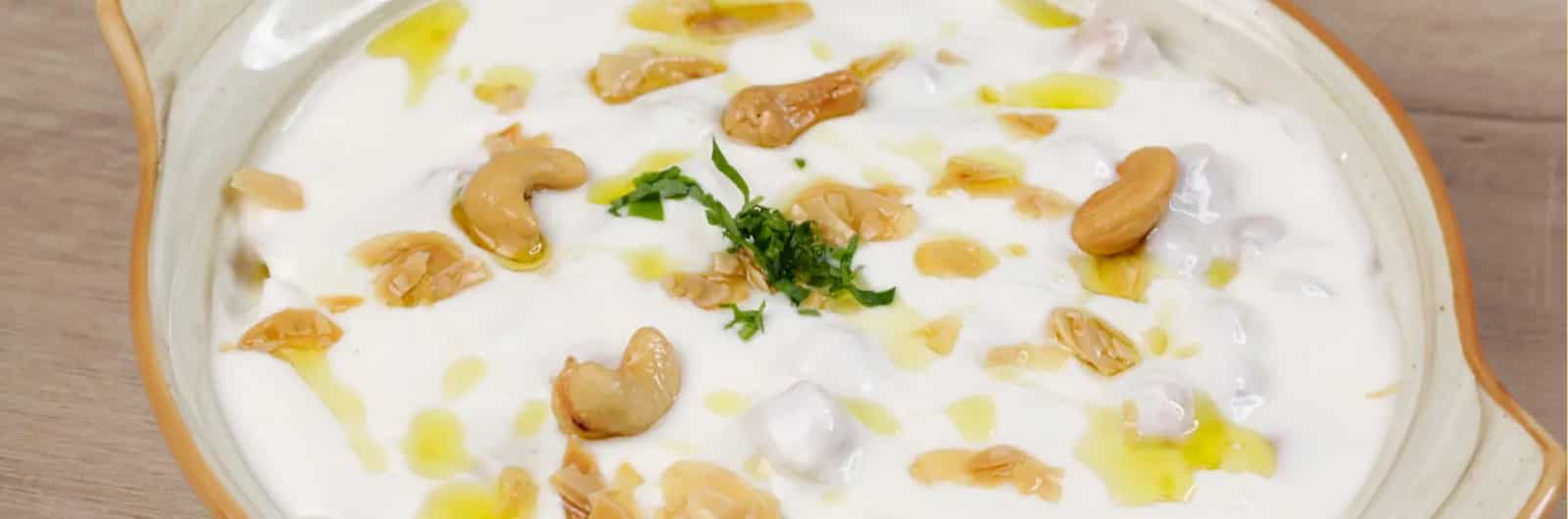
A Hyderabadi dessert, the Moz ka Meetha is a banana-based dish. It also uses milk, condensed milk, cream, cardamom, saffron, chopped almonds and pistachios, and ghee. It's made by mixing together the liquids on a low flame, adding the chopped bananas, and the rest of the ingredients on top until sufficiently thickened. It’s then left to cool completely and served cold.
Bananas have a long history in India. When Alexander the Great came to India in 327 BCE, he discovered that the fruit was already growing here and was impressed with it, carrying it forward with him. The fruit is deeply ingrained in the country’s culture, finding mention in the Vedas and the Bhagavad Gita. In Ayurveda, the banana flower and stem are considered effective in treating diabetes. In thalapothichil, a therapy where the head is covered with a medicinal paste, the head is then wrapped in banana leaf, and is believed to have a calming effect on psychosomatic disorders like hypertension and insomnia.
This simple fruit has several health benefits, including improving digestion, and bone and heart health. It helps put on muscle and aids muscle recovery after a workout. They’re rich in carotenoids, which work to prevent chronic diseases like diabetes, heart disease, and cancer. It may also aid in weight loss since its pectin limits the amount of fat that cells absorb and its choline works on genes that cause fat to be stored in the abdomen. Bananas also regulate blood sugar levels and promote eye health.
With a rich, intriguing history, and a long list of benefits, bananas are also easy to consume, given their versatility, from a smoothie to fruit chaat and from banana bread to the famed Moz ka Meetha.
Nutritional Value
925
Calories
per serving
- Fat38 g
- Protein23 g
- Carbs121 g
- Fiber13 g
- Sodium0 g
- Others0 g