


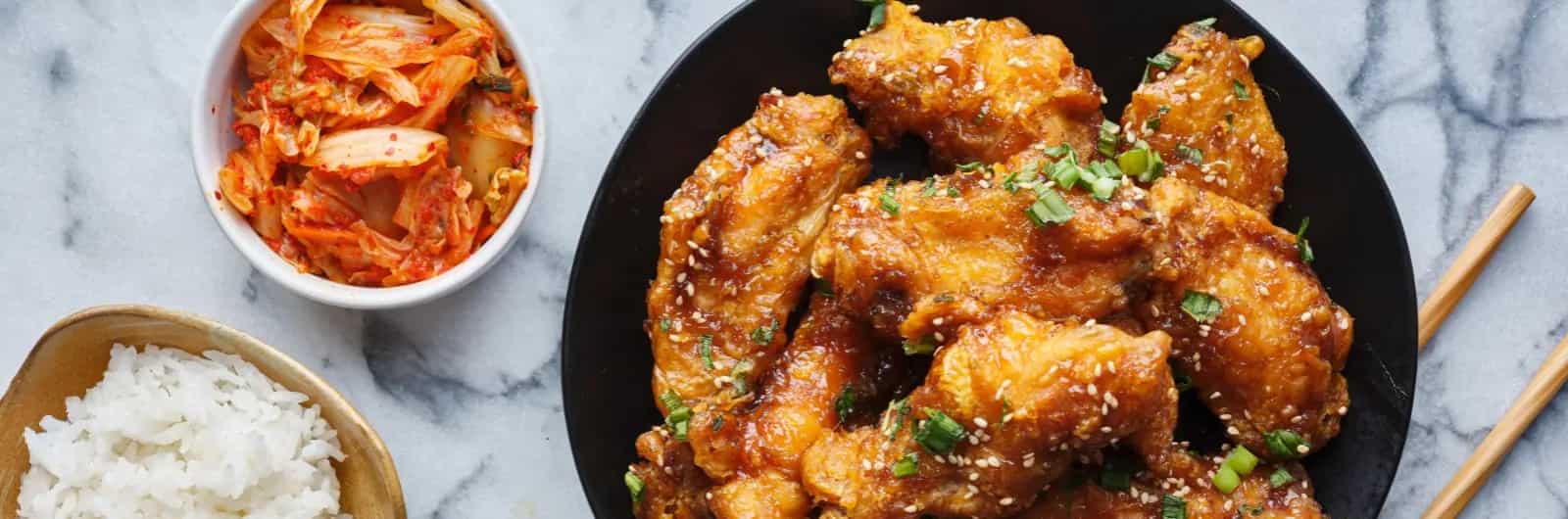
Chicken Dilruba
Nutritional Value
2655
Calories
per serving
- Fat174 g
- Protein175 g
- Carbs97 g
- Fiber24 g
- Sodium0 g
- Others0 g
- Place of OriginNORTH,INDIA
- CuisineAsian,Indian,North Indian,Punjabi
- Common Ingredients
- CourseMain Course,Side Dish
When we talk about the Punjabi Dilruba, we are straight away transported to a vibrant North Indian past when one of the most iconic musical instruments of the Sikh culture was being created by Guru Gobind Singh. Towards the setting days of the Mughal dynasty, this bowed instrument became a symbol of cultural independence of Punjab and with time, a global phenomenon. But there is yet another ‘Dilruba’ from the ‘land of the five rivers’ that is no less of a ‘sweetheart’ to the people of Punjab and gastronomes across the nation. The Chicken Dilruba is a testimony to Punjab’s delectable spice platter and cream-laden rich curries and an ideal representative of the unabashedly and sinfully indulgent North Indian cuisine.
To make this sweet, tangy, spicy, and creamy delicacy, one needs to proceed without counting the ounces of butter, ghee, and cream that go into the pan, as is true of most North Indian meat preparations. A thick puree of ginger, garlic, onion, and chilli paste is sauteed on a generously greased pan till the tender pieces of chicken, a lump sum portion of yoghurt and a liberal pouring of fresh cream are added and cooked on medium flame. A platter of exquisite North Indian condiments is added one after the other till a mesmerising aroma weaves and wades through the kitchen floor. The Midas’ touch is given by saffron strands soaked in milk that add the characteristic royal demeanour, followed by toppings of roasted nuts, poppy seeds, and coriander.
The name ‘Diruba’, much like the dish, comes from the enthralling land of ancient Persia and means beloved or darling. The preparation speaks volumes of its Arab history and may have been a product of cultural syncretism of the Mughal era, credited with forming the foundation of most modern North Indian buttery gravies. It is believed that Chicken Dilruba originated as a revered serving in the twenty-course royal buffet of the Shahi Dastarkhwan (Mughal dining). In fact, the use of saffron and chopped nuts as a garnish are typical Persian specialities, of which Lizzie Collingham writes in her work Curry: A Tale of Cooks and Conquerors.
Nutritional Value
2655
Calories
per serving
- Fat174 g
- Protein175 g
- Carbs97 g
- Fiber24 g
- Sodium0 g
- Others0 g