


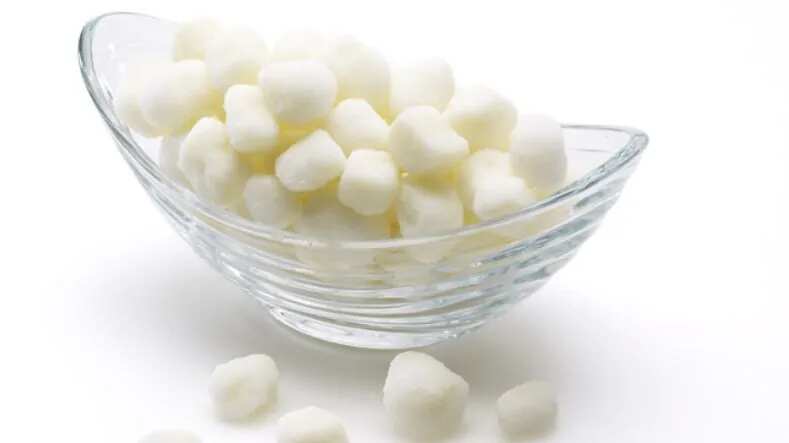
Chhena Murki
Nutritional Value
1902
Calories
per serving
- Fat96 g
- Protein57 g
- Carbs203 g
- Fiber5 g
- Sodium0 g
- Others0 g
- Place of OriginWEST,BENGAL
- CuisineAsian,Indian,Bengali,Odia
- Common Ingredients
- CourseDessert
In his insightful book Sweet Invention: A History of Dessert, Michael Krondi remarks that at a point in time in Bengal, chhena (cottage cheese) was an unacceptable ingredient to make sweets with for religious offerings. So early Bengali cookbooks like Pakrajeshwar (1831) and Byanjan Ratnakar (1858) do not mention any sweet dish made of chhena. However, a journal from 1874 named Bamabodhini Patrika insisted women should know how to make sweets from chhena, as well as semolina, coconut, lentils, milk and pumpkin. Krondi infers that while chhena may have been scorned upon by the Brahminical society, the secular cosmopolitan Bengali was more than happy to bury the age-old snobbery surrounding chhena use.
Therefore, the widespread use of chhena across Bengali sweetmeats marked a sort of renaissance for Bengal, where local vendors started setting up shops and whipping up different types of Sandesh. Earlier, sweet making was monopolised by temples.
Chhena Murki is one of the lesser-known sweetmeat dishes from Bengal and Odisha. However, because it is so simple to create, many households in the eastern part of India make it in their home kitchens. Only three main ingredients go into making Chhena Murki—chhena, water and sugar. The process of curdling the milk and extracting cottage cheese is fairly simple. Any acidic food item, like lime or vinegar, can be used to curdle the milk. A muslin cloth is then used to strain all the liquid out and leave the cheese back. The chhena is then made into smaller balls and kept aside.
To make the sticky, stringy syrup in which the pieces of cottage balls are dunked, sugar is melted in water. Often, cardamom pods and rose water are added to the syrup to add more flavour.
Chhena Murki is quite similar to Roshogolla in terms of its composition, but whereas Roshogolla is a softer cottage cheese ball, Chhena Murki is a drier, harder variant where the thick syrup only coats the sweet, but doesn’t permeate it. Since it’s quite low in potassium content, Chhena Murki is definitely a far healthier alternative to Roshogolla for diabetics. The low potassium level in the sweet prevents renal diseases.
Nutritional Value
1902
Calories
per serving
- Fat96 g
- Protein57 g
- Carbs203 g
- Fiber5 g
- Sodium0 g
- Others0 g