


 Share
Share

Many kitchens throw away far more than actual waste. Vegetable peels, fruit scraps, used tea leaves, and crushed eggshells generally end up in bins without even giving them a second thought, even though many of them still have nutritional value that plants in your garden can benefit from. If you have a kitchen garden, these leftovers can become some of the most valuable tools for more nourishing soil, adequate moisture retention and natural nutrition.
What makes kitchen waste particularly valuable is that they also make a circular food cycle. The coriander stems you have trimmed can help improve the soil that grows the herbs in future, or the banana peels thrown away may support the flowering plants. Unlike the chemical fertilisers, many food wastes break down slowly, feeding the soil over time instead of giving plants a sudden unnatural boost.
As more people try to grow herbs, chillies and vegetables at home, awareness around the kitchen composting and waste reuse is rising. But many useful ingredients are still being treated as garbage just because people do not understand how effective they can be in small kitchen gardens. The idea is not to dump the waste into pots blindly, but to comprehend what actually helps soil and plants in useful, manageable ways.
Eggshells
Most households discard eggshells minutes after they are cooked, but it is less known that they are rich in calcium, which supports plant cell walls, resulting in healthier growth. Once washed and dried thoroughly, crushed eggshells can be mixed into the soil around tomato, chilli or curry leaf plants. They also improve the soil texture slowly. In some kitchen gardens, eggshells are used around plants to prevent snails and pests because of their rough texture. The eggshells should be crushed finely rather than thrown directly into pots, where they decompose much more slowly.
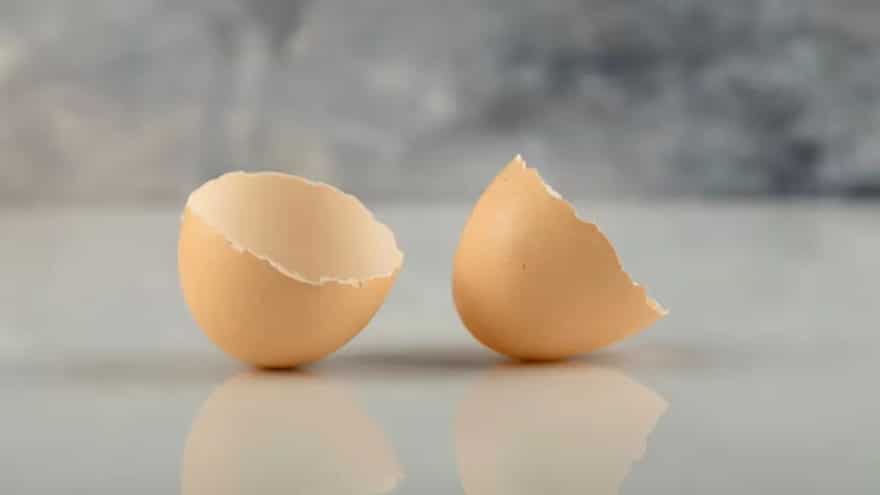
(Image credit: Freepik)
Banana Peels
Banana peels are often one of the best kitchen wastes for flowering and fruit-bearing plants because they have potassium and phosphorus. Instead of discarding them, the peels can be diced into smaller pieces and buried lightly in soil or soaked in water to make a gentle homemade fertiliser. Many home gardeners use banana peel water for the hibiscus, rose and chilli plants, particularly. What makes them practical is that they release nutrients at a slow pace. However, fresh peels should be used carefully in small amounts, since overuse of them can draw insects or cause excess moisture in containers.
Used Tea Leaves
Strained Tea leaves usually go directly into the dustbin, but once rinsed appropriately to remove sugar or milk remains, they become useful for compost and soil enrichment. Used tea leaves support organic matter in soil and help maintain moisture, particularly in balcony kitchen gardens where pots tend to dry quickly during the summer heat. Some gardeners also mix the dried tea leaves into compost bins to balance the kitchen waste more naturally. They work best in moderation because the use of extreme tea residue can sometimes make the soil too acidic for some plants. Drying them before reuse helps prevent fungal growth in moist conditions.
Vegetable Peels
Potato skins, carrot peels, bottle gourd scraps and other vegetable scraps break down into nutrient-rich compost surprisingly well. Instead of putting them directly into pots, they work better when placed inside a small compost box where they decompose slowly into dark, earthy organic matter. This compost enhances the texture of soil and helps microbial activity naturally. What many people ignore is that vegetable peels also help lower food waste volume at home significantly. The crucial thing is balance - cooked, oily or heavily salted leftovers should remain out because they draw pests and disturb the quality of the compost.
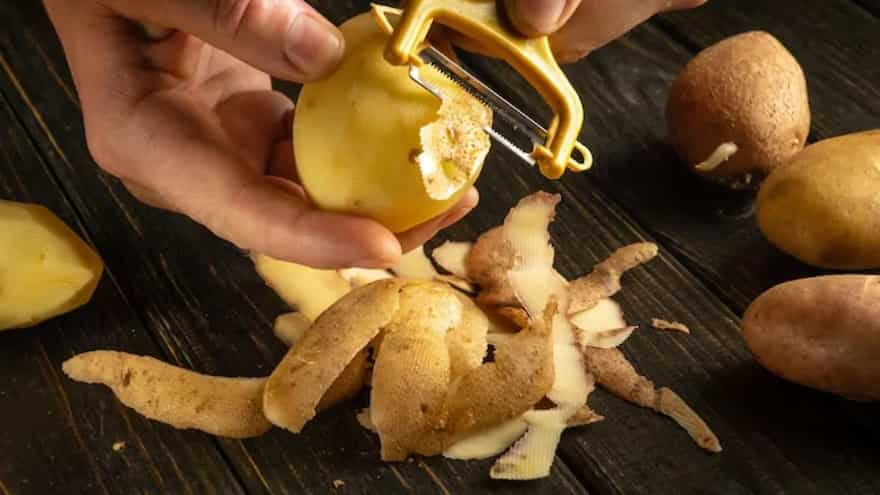
(Image credit: Freepik)
Rice-Washed Water
That cloudy water that you throw away into the sink after rinsing rice has mild starches and hints of nutrients that can support plants. Once it has cooled down thoroughly, this water can be used for watering leafy plants or kitchen herbs. Plain rice water works best without having salt or seasoning in it; if it has these, just throw it away. Overusing starchy water may lead to fungal growth in overly wet soil, so moderation is important. Still, it remains one of the easiest kitchen leftovers that can be reused daily.
Fruit Peels
Orange, sweet lime, and pomegranate peels can all be added to compost, once they are dried or chopped thoroughly. Citrus peels specifically have natural oils that help repel certain insects in gardens when used carefully. Some gardeners dry and then make the peels into powder form before adding them to soil mixes. Pomegranate peels also decompose well in compost. The biggest mistake people make is adding large amounts at once, which slows down the decomposition. Fruit waste works best when they are balanced with dry matter, such as leaves or newspaper.




