


 Share
Share

You may have heard of yeast in bread, idli batter or dosa, but it is now showing up in a very different place: protein powders and also in everyday protein foods. Yeast protein has recently gained attention, with fermented yeast protein occurring in products beyond just the usual gym-supplement aisle.
So, what exactly is it? Yeast protein is prepared by growing yeast in a controlled fermentation method and then processing the yeast biomass to get a protein-rich ingredient. Yeast protein differs from nutritional yeast and brewer’s yeast because it is specifically processed to provide concentrated protein rather than being primarily used as a flavouring or nutritional ingredient.
Some yeast protein products provide all nine essential amino acids and may be considered complete proteins, although nutritional composition varies depending on the yeast type and processing method.
The more interesting part is that it gives people another option alongside familiar options like whey, soy and pea protein. But that does not mean it is automatically better. Here is what makes it distinct and who may actually see it as useful.
How Is Yeast Protein Different From Regular Protein Powder?
There is actually no single “standard protein powder”. Whey comes from milk, whereas plant proteins are generally made from ingredients like soy, pea or rice. Yeast protein comes from microorganisms that are grown through fermentation. That distinction is important to people who would want to avoid dairy or animal-derived ingredients.
Yeast protein can also supply all nine essential amino acids, although the exact protein and amino-acid content can differ depending on the yeast strain and processing method.
Another practical distinction is the taste and format. Yeast protein is increasingly being used in flavoured powders and regular foods such as protein drinks, rather than being limited to the shaker bottle. That could make it easier for people who find traditional protein shakes repetitive.
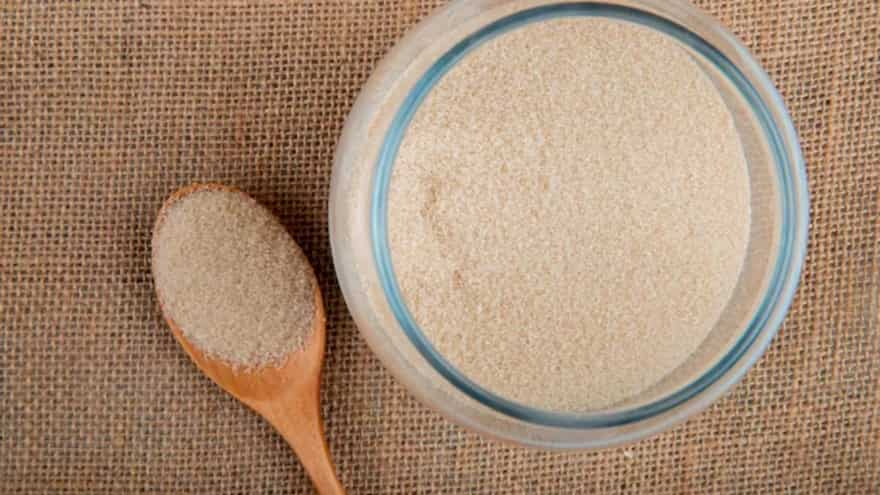
(Image credit: Freepik)
Who Can Use Yeast Protein?
Yeast protein may be considered as one option for adults seeking to increase their protein intake. for adults who need an easy way to add more protein to their diet, including people who are vegetarian or vegan. Pure yeast protein is dairy-free, but consumers should check product labels because some formulations may contain dairy-derived ingredients. However, being lactose-free does not automatically make every yeast protein product fit for everyone; flavourings, sweeteners and other added ingredients still need to be reviewed.
It may also appeal to people who just want to try a protein source other than the regular whey, soy or pea. But protein powder is a supplement, not a substitute for regular meals. Dal, beans, dairy, eggs, meat, nuts, seeds and other everyday foods can all add to protein intake. The right choice relies on your diet, total protein requirements and what you can comfortably include into every day meal. People with yeast allergies or sensitivities should consult a healthcare professional before using yeast-based protein products.
How Should You Use It?
The most straightforward approach is to follow the serving size shown on the product label rather than assuming every yeast protein powder requires the same quantity. It can generally be mixed into water, milk or a smoothie, whereas some newer products are also made for drinks such as chaas
Before buying one, look beyond the word “protein” on the front of the pack. Check the actual protein per serving, ingredient list, added sugar or sweeteners, allergens and also the serving size. Products can differ extensively, so two powders labelled as yeast protein need not deliver the same nutrition.
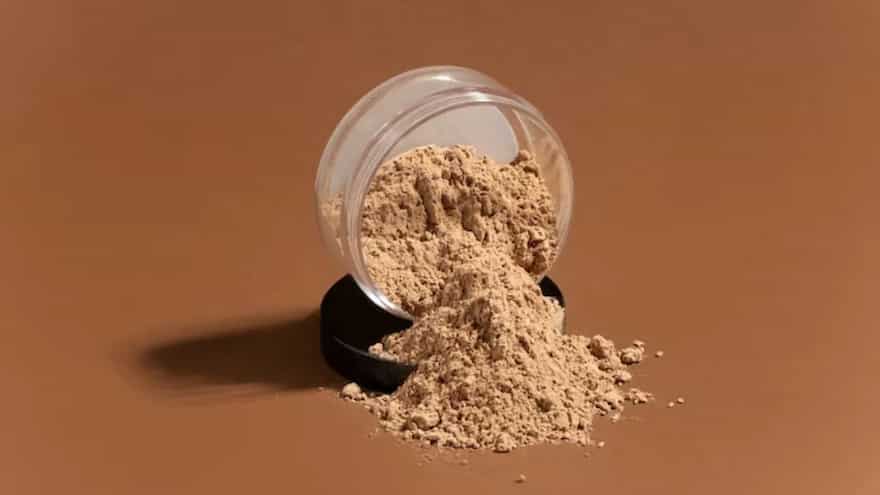
(Image credit: Freepik)
Is Yeast Protein Better Than Whey?
Not necessarily. It is better thought of as another choice, not a replacement that everyone requires. Whey remains a well-established protein source, whereas yeast protein is a newer type with evolving research behind it.
For someone looking for a dairy-free protein option, however, yeast protein can make the choice a little more comprehensive - and that, rather than the latest “super protein” claim, is possibly its biggest appeal.




