Share


World Vegan Day is observed on November 1 every year, bringing attention to vegan food options and the evolving interest in plant-based cooking. The day also offers a chance to look beyond the familiar ingredients like tofu, soy milk and plant-based meat, and explore the lesser-known ingredients that can change how a dish tastes. One such ingredient is nutritional yeast, often called nooch in vegan food terms.
With its savoury, a bit nutty and cheese-like taste, nutritional yeast has found a place in everything from dairy-free pasta sauces to popcorn seasonings. It is particularly useful in vegan cooking as it adds a cheesy note without using any milk, butter or even the actual cheese. While it may look like regular yeast flakes, it serves a very distinct purpose from the yeast that is used to make bread rise.
What Is Nutritional Yeast?
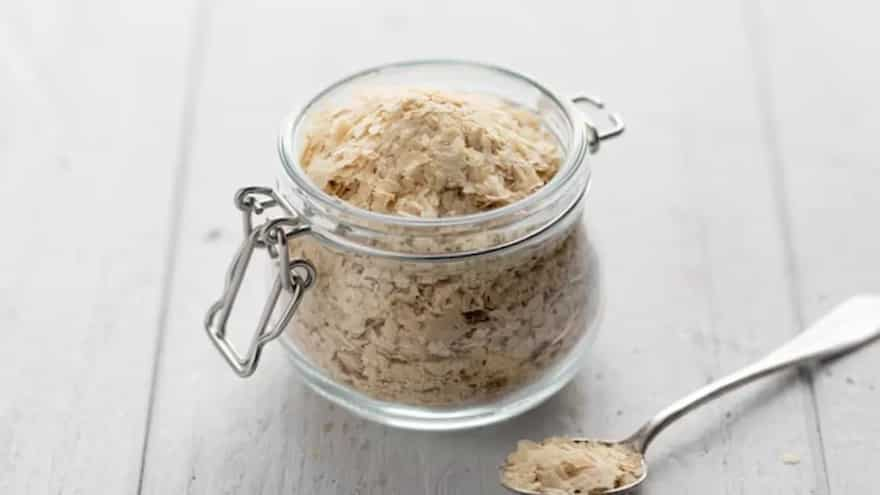
Nutritional yeast is a deactivated form of Saccharomyces cerevisiae, a type of yeast that is also used in baking as well as brewing. It is grown on a nutrient-rich medium, harvested, heated to deactivate it and then dried to make flakes or powder. Since it is inactive, it does not help in fermenting dough or making bread rise.
It is often sold in yellow flakes with a little savoury fragrance. Some varieties are strengthened with nutrients such as vitamin B12 and other B vitamins, whereas others are unfortified. If you are purchasing it for its nutritional range, check the label because the nutrient levels vary from brand to brand.
 (Credit: Freepik)
Why Is Nutritional Yeast Popular In Vegan Cooking?
One of the biggest challenges in dairy-free cooking is to recreate the savoury, creamy texture and depth that cheese brings to a dish. Nutritional yeast helps fill that gap. Its flavour is often defined as cheesy, nutty and lightly umami, making it a useful addition to recipes that require more depth but where dairy cannot be added.
It works well as a seasoning as well because it can be simply sprinkled directly over food or mixed in sauces, dips and spreads. Unlike some dairy-free cheese options, it does not need to be melted to release its flavour. It is not similar to cheese, but it can add a similar savoury taste to plant-based meals.
How To Use Nutritional Yeast In Everyday Cooking
You do not need any typical detailed vegan recipes to use nutritional yeast. A small amount of it can add savoury depth to everyday dishes. Here are a few useful ways to include it in an Indian kitchen:
- In pasta and white sauces: Whisk a spoonful of nutritional yeast into a dairy-free sauce prepared with cashew paste, plant milk or blended cauliflower. It adds a cheesy taste and makes the sauce feel more creamy and savoury.
- On roasted snacks: Sprinkle it over roasted makhana, popcorn, potato wedges or sweet potato fries along with some black pepper, chilli powder and a little garlic powder.
- In sandwiches and wraps: Mix it into the mashed chickpeas, hummus or a tofu filling before spreading it on bread or stuffing it into a wrap.
- In Indian-style gravies: Stir a little into a cashew-based vegetable curry or creamy mushroom gravy towards the end of the cooking process. It adds savouriness without overpowering the spices.
- With vegetables: You can toss sautéed mushrooms, corn, broccoli or roasted cauliflower with it. It also works as a seasoning for baked vegetables and casseroles.
(Credit: Freepik)
Nutritional Yeast Vs Baking Yeast: What Is The Difference?
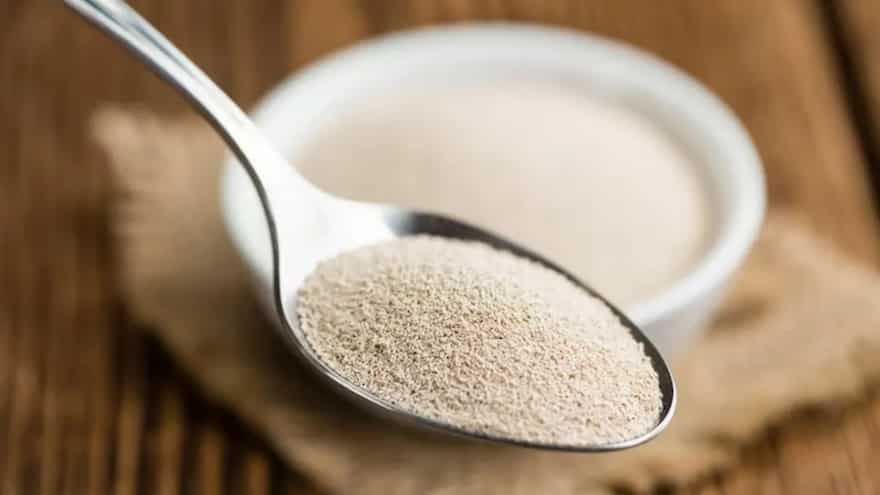
Although both come from yeast, they are used very differently. Baking yeast is active and helps in rising the dough by producing carbon dioxide during the fermentation process. Nutritional yeast, on the other hand, is deactivated, so it cannot raise bread or help ferment the dough. It is used primarily for its flavour and, in the product, its nutritional content.
One point to keep in mind when buying it is whether the nutritional yeast is fortified. Some varieties have added vitamin B12, which is an important nutrient for people who follow vegan diets. Unfortified nutritional yeast should not be assumed to provide this vitamin.
Nutritional yeast is not a must-have ingredient in every vegan kitchen, but it can make plant-based cooking more enjoyable. From a cashew-based pasta sauce to a bowl of roasted makhana, its savoury, cheese-like taste offers an easy way to add depth to everyday dishes without missing the creaminess of dairy.