Share


As November arrives, the global spotlight on World Vegan Day seamlessly blends with the magnificent buildup to Diwali. In 2026, conscious culinary creators are turning attention back to the soil, unearthing grains that formed the backbone of historical celebration kitchens. Millets such as finger millet, barnyard millet, and foxtail millet are stepping out of obscurity and into the modern culinary limelight. Archaeobotanical records indicate these resilient crops sustained South Asian populations for over four millennia, offering incredible textural complexity and making them magnificent substitutes for refined flours in festive flatbreads and traditional confections.
Nutritionally, these grains provide staggering density. Finger millet contains calcium levels twenty times higher than polished white rice alongside significant dietary fibre and phenolic compounds that slow glucose absorption, preventing post-feast lethargy. When crafting holiday sweets like thinai halwa made from foxtail millet or ragi manni prepared from finger millet flour, these ancient ingredients bring a nutty depth that elevates ordinary desserts into extraordinary sensory experiences. Home cooks and professional chefs harness these nutrient dense powerhouses to create wholesome ladoos, rich cookies, and decadent puddings without needing dairy butter or refined white sugar. Turning to indigenous grains allows modern kitchens to honour time-tested agricultural traditions while embracing a compassionate lifestyle that respects both personal health and planetary boundaries.
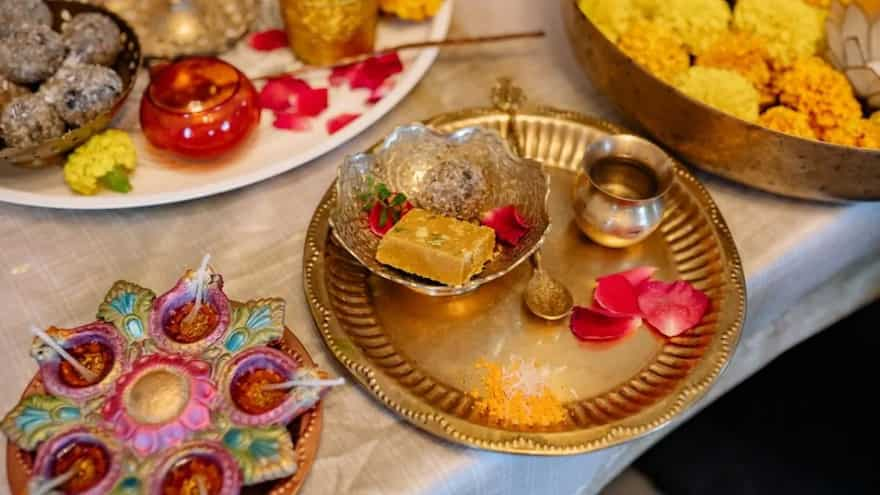 Image credit: Pexels
Exploring Indigenous Legumes And Split Pulses In Savoury Delicacies
Festive cooking has always celebrated the magnificent versatility of legumes and split pulses. Beyond the standard chickpea and yellow lentil, traditional pantries house a diverse array of heirloom beans and horse grams that bring remarkable protein and robust flavour to festive tables. Horse gram and black-eyed peas represent indigenous pulse varieties cultivated in dryland farming ecosystems across the Indian subcontinent since the Iron Age. During Diwali gatherings, savoury snacks such as crisp namak pare, traditional ukkarai, and spiced crackers gain a sophisticated upgrade when prepared using unpolished chana dal, split urad dal, and indigenous pulse flours.
The secret lies in the natural earthiness of these heirloom pulses, which absorb spices brilliantly and deliver a satisfying crunch backed by superior nutritional profiles. Horse gram delivers exceptionally high iron content, low glycemic index values, and powerful antioxidant flavonoid concentrations that protect cardiovascular health during rich festive seasons. Culinary creators are moving away from processed substitutes, choosing instead to celebrate the pure, unadulterated goodness of split green gram, black-eyed peas, and moth beans. These ingredients require minimal intervention, absorbing rich spices like toasted cumin, crushed coriander seeds, and fiery black pepper to create vibrant, plant based appetisers that satisfy every single guest at the celebration.
Reviving Cold Pressed Oils And Traditional Fats For Authentic Flavours
Fat plays a defining role in festive cookery, traditionally providing richness, aroma, and the signature melt in the mouth texture of holiday sweets. Modern plant based bakers and cooks are discovering that authentic sensory richness does not require dairy ghee. Instead, they are turning to traditional cold pressed sesame oil, extracted through traditional wooden mortar and pestle mechanisms known as mara chekku, wood pressed groundnut oil, and unrefined coconut oil. Historical records from Tamil Sangam literature document the extraction of sesame oil using wooden presses, a technique designed to preserve heat sensitive polyunsaturated fatty acids and natural antioxidants like sesamol and sesamolin.
These cold pressed oils carry deep histories and impart distinct, aromatic profiles that enhance everything from deep fried adhirasam to slow cooked vegetable curries. Cold pressed oils connect contemporary kitchens to ancient extraction methods that preserve vital nutrients and bold natural flavours without chemical solvents. When preparing festive mithai like sweet flattened rice cooked with palm jaggery or rich gravies, the choice of high quality plant based fat changes the entire culinary outcome. It delivers a glossy finish and a fragrant aroma that fills the home with warmth, perfectly capturing the magical atmosphere of the Festival of Lights without compromising on ethical or dietary values.
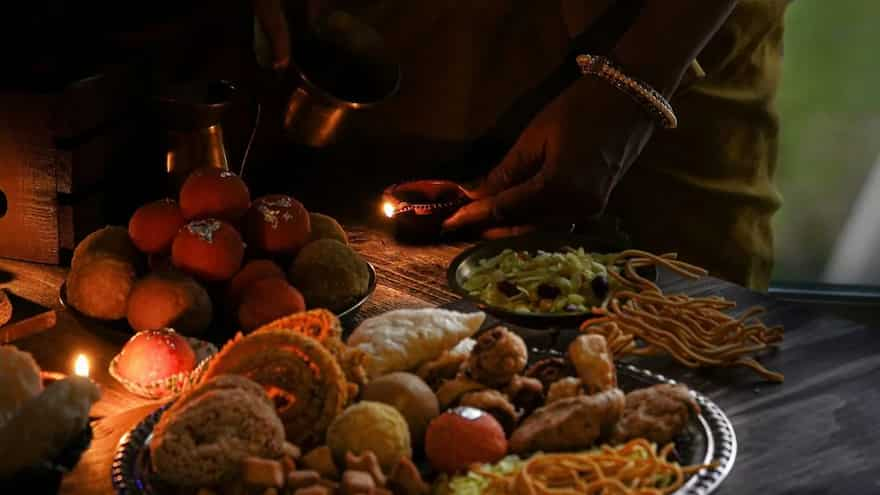 Image credit: Unsplash
Celebrating Indigenous Spices And Aromatic Botanicals In Sweets
Spices form the heartbeat of the kitchen, and festival cooking brings out the most luxurious elements of the spice rack. From aromatic green cardamom pods harvested in the mist shrouded hills of the Western Ghats to fragrant saffron threads cultivated in Kashmir, nutmeg, and mace, these botanical treasures elevate plant based dishes into masterpieces of flavour. Historical trade treatises highlight how indigenous spices served as currency and medicinal pillars in Ayurvedic formulations designed to stimulate digestion after heavy festive meals. In contemporary kitchens, spices do more than add heat; they build rich, complex layers of taste that compensate for the absence of dairy fats.
Bakers are infusing plant based milks with crushed cardamom, roasted fennel seeds, and sun dried rose petals to create creamy, fragrant elixirs that rival traditional milk based rabri and kheer. Bioactive compounds present in these spices, such as cinnamaldehyde in cinnamon and crocin in saffron, offer potent anti-inflammatory properties that support metabolic function. Highlighting these indigenous aromatics allows festive menus to showcase the incredible depth of plant based gastronomy. Every spoonful offers a burst of fragrance and a testament to the bounty of the agricultural landscape.
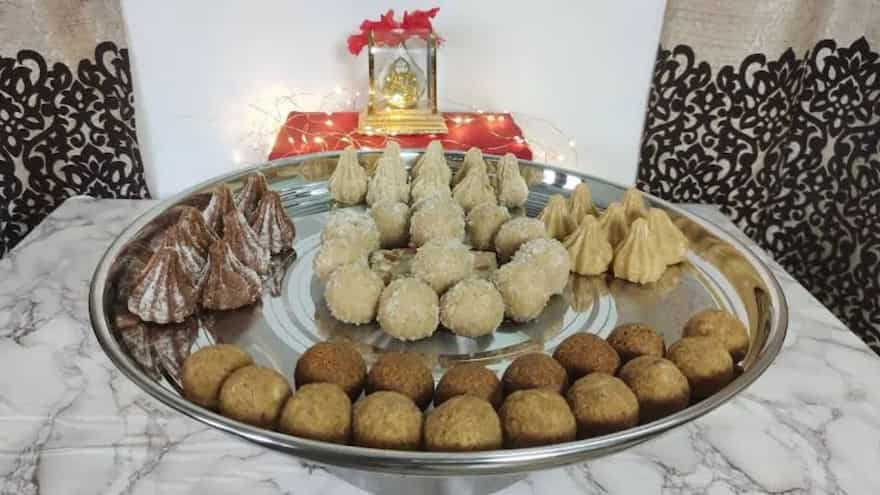 Image credit: Unsplash
Sourcing Heirloom Rice Varieties For Special Occasion Feasts
Rice occupies a sacred space in rituals and celebratory meals, often symbolising prosperity and auspicious beginnings. While basmati frequently claims the spotlight, a breathtaking heritage of indigenous, aromatic, and pigmented rice varieties like mappillai samba, karuppu kavuni, and poongar rice is stepping into modern festive feasts. Agronomic archives trace these traditional rice cultivars back centuries, noting their remarkable adaptability to local monsoon cycles and high resistance to drought and pests. Varieties like karuppu kavuni, a black glutinous rice historically reserved for royalty in southern kingdoms, boast anthocyanin concentrations exceeding those found in blueberries, offering exceptional cellular protection.
These traditional rices bring stunning visual appeal, high iron content, and complex nutty undertones to festive adhirasam, sweet pongal, and payasam. Culinary enthusiasts are pairing these heirloom grains with rich coconut milk, palm jaggery, and toasted cashews to create plant based versions of traditional festival kheer. This mindful approach to ingredient selection highlights the vast biodiversity of local agriculture and preserves genetic diversity against monocultural farming pressures. Serving heritage rice at a Diwali gathering sparks conversations about culinary preservation, sustainability, and the joy of savouring flavours that have nourished communities for generations.
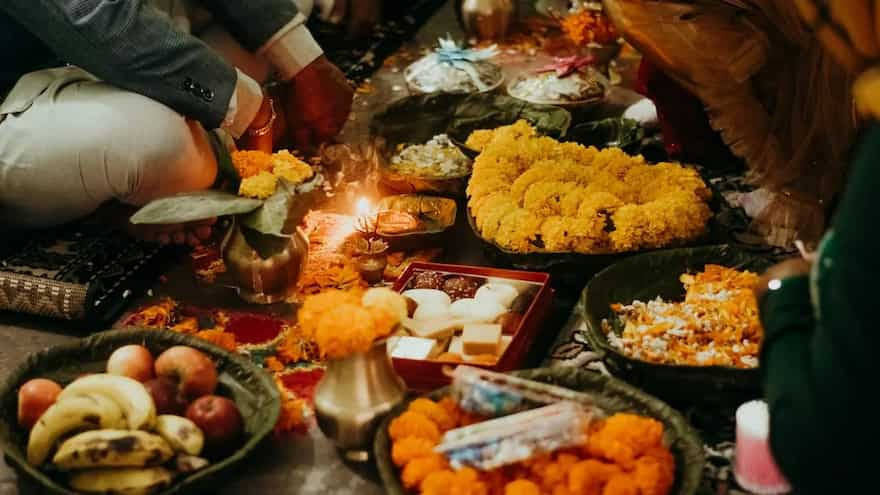 Image credit: Unsplash
Embracing Nut Butters And Seed Pastes As Luxurious Dairy Alternatives
Achieving creamy textures without dairy can seem daunting, but traditional culinary wisdom offers brilliant solutions through seed pastes and nut milters. Long before commercial vegan creamers existed, South Asian cooks ground charmagaz, a traditional seed blend comprising melon, watermelon, pumpkin, and cucumber seeds, charoli nuts derived from regional trees, poppy seeds, and cashews into rich pastes to thicken gravies and enrich festive confections like kaju katli and badam halwa. Historical culinary manuscripts detail the meticulous preparation of seed emulsions in royal kitchens, where expert cooks utilized stone grinding slabs to emulsify natural plant fats and proteins.
Cashew cream, almond milk reductions, and melon seed pastes provide the luxurious mouthfeel required for festive korma dishes and rich sweets while delivering high concentrations of monounsaturated fats, vitamin E, and essential minerals like magnesium and zinc. These wholesome ingredients integrate effortlessly into both sweet and savoury preparations, ensuring that plant based cooking remains authentic, wholesome, and deeply satisfying. As celebrations unfold, the brilliance of these heirloom nut and seed preparations proves that compassionate cooking is an expansion of culinary tradition rather than a restriction.