Share
Share

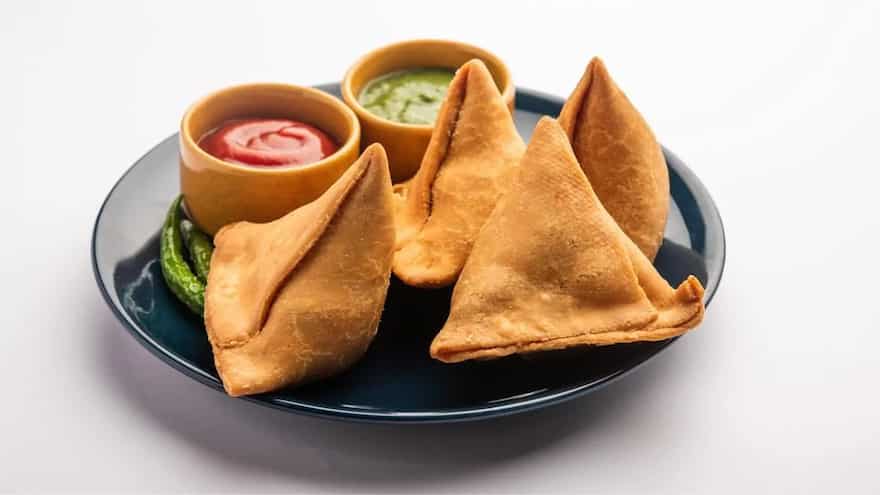
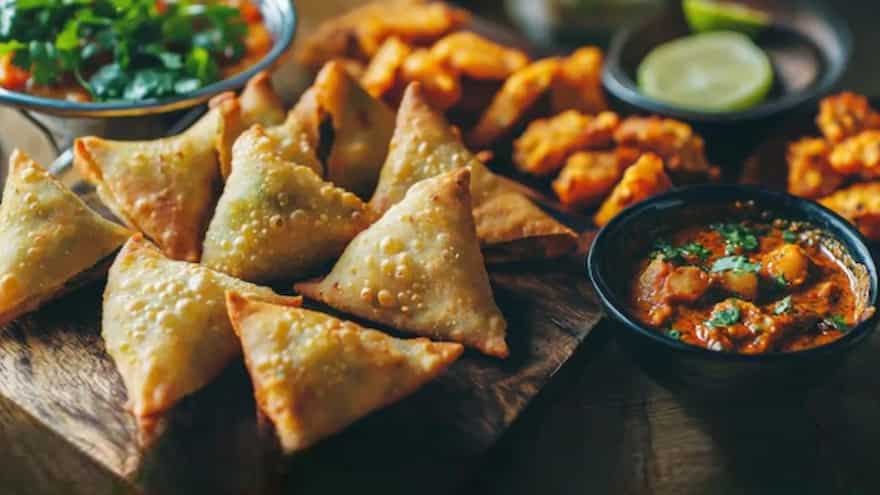
Blue sky, hot chai, crispy samosa, spicy green chutney, and sweet and tangy tamarind chutney - the best evening combo that anyone can ask for. Just imagining it can make your mouth salivate. The mighty aloo-stuffed triangle might not be an Indian dish, but it rules the country’s street food landscape, and as foodies, we cannot ask for anything more. The recipe might have originated in the Middle East or Central Asia, but no one loves samosas as much as Indians.
It’s not just a tea-time snack but a dish over which new colleagues bond, siblings let go of their rivalries, couples steal a few moments of peace amid the chaos of life, and gastronomes find the solution to their hunger pangs. If you visit nearby sweet shops, you will witness a cook putting on a kadhai filled with oil on a medium-high flame while the other one continues to roll the dough, stuff it, and line raw samosas on a tray.

This reminds me of making, rather than helping an auntie, make samosa as a teenager living in Agra. I remember vividly, this woman in her late 40s opened a snack and sweet shop less than 100m from my house. She would start preparing samosas around 4 pm when the sun was still hot and its rays used to add a glow to freshly deep-fried triangular bites. I used to stand beside her, see her swiftly but immaculately work with the dough - roll it thin, cut the semi-circles, stuff them with the spiced potato filling, seal them, and drop them in hot oil. In a few minutes, crispy, hot and brown samosas were served with green chutney. She closed the shop in a year or two, but I realised that I am drawn to the process of cooking more than the final dish.
Much like this foodie and food writer, there are countless Indians for whom this humble samosa is not just a treat or a snack to satisfy hunger but a memory. Every time they take a bite, they are transported to their childhood or a moment in time that echoes with them even today. Ahead are some accounts that make this beloved Indian snack a hit among people of all ages.
Palak
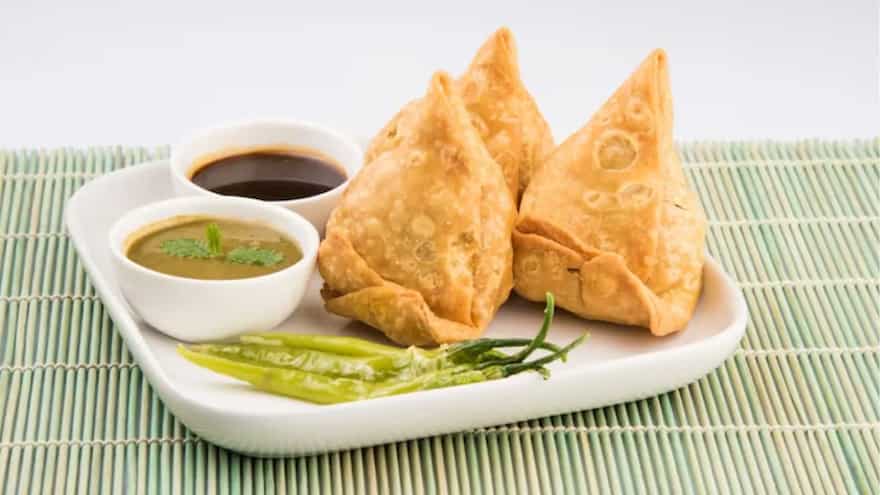
Palak, a 21-year-old student, says, “For me, samosa is much more than just a snack. It is a memory of my college life. In our college canteen, apart from samosas, nothing much was available. So, whether it was a celebration, a moment of frustration, extreme tiredness, or even a big event, we always ended up eating samosas.” Gradually, it became a part of every situation in her life. It wasn’t a snack that just students enjoyed, but teachers also relished it. This aloo and peas-stuffed treat was an indispensable part of her college life.
Sidhharrth S Kumaar
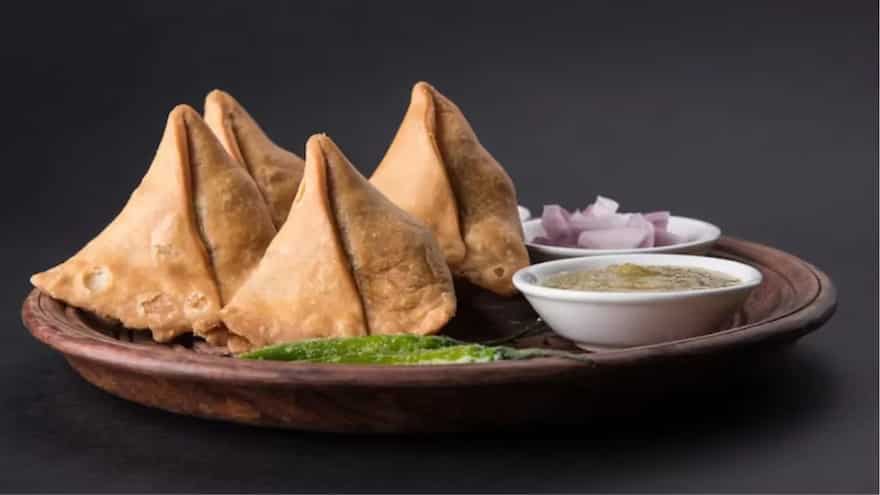
Sidhharrth S Kumaar is an entrepreneur who has been a samosa fan since he was a kid. The 36-year-old shares, “Back in my school days, it was a recipe for friendship. Every day we used to sit together with samosas in hand, and the world opened up. We shared everything from politics to school gossip, from dreams of the future to silly little plans that made us laugh endlessly. Life came full circle when I met my wife through one of those very school friends, and yes, samosa found its way there too. Our first date wasn’t fancy or elaborate, but it was perfect: two hearts, one plate of samosas, and endless conversations.” Even today, when he reunites with friends or they are celebrating small milestones in life, samosa remains a part of the spread that tastes of love and friendship.
Rishabh Kumar
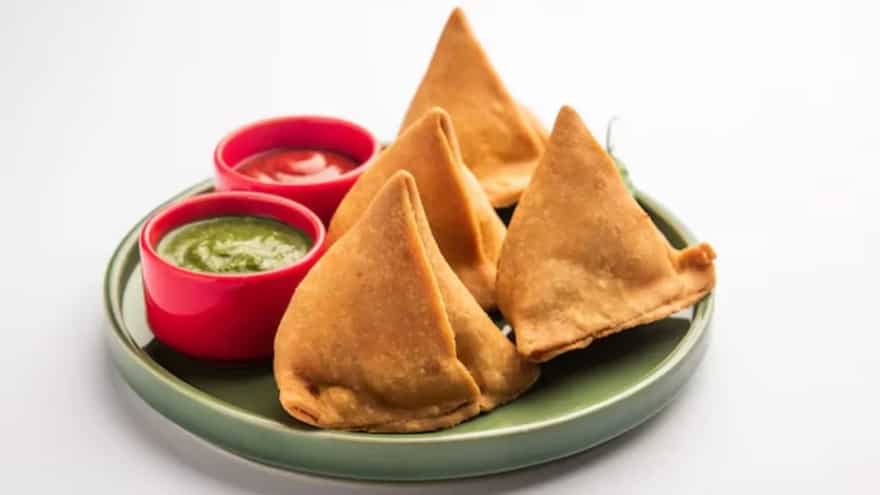
For Rishabh Kumar, a 28-year-old publicist, samosa symbolises togetherness. “Whenever it rained, my mom would rush to the kitchen, my dad would put on old Bollywood songs, and within minutes the house smelled of golden, crispy samosas. We cousins would fight over the last piece, dipping it into chutney while steam still escaped from inside. I can still hear the laughter, the crackle of rain outside, and the clink of chai cups on the steel tray,” he adds. Irrespective of where he is, the first rain and petrichor make him crave the samosa and fill him with the desire to relive the good old days. This street food is synonymous with warmth, family, and the kind of joy that only comes wrapped in a crunchy triangle.
Ruchita Kumar
Ruchita Kumar fell in love with the triangular shape of samosas. The 26-year-old PR associate recalls making it and says, “As a kid, I was a potato fan (I still love potatoes), always used to eat something which is colourful, something which resonates a shape. And samosa was my answer. When I first tried making samosa, it burnt because I thought it was just a triangle made out of maida stuffed with potatoes, but I was so wrong! Imagine frying a samosa and it just disintegrated in the hot oil, ruining it and the vessel, and why? Because I didn't seal it before frying, but it didn't lessen my love for it. Samosa is not just a snack but an emotion and a pocket-friendly meal for me.”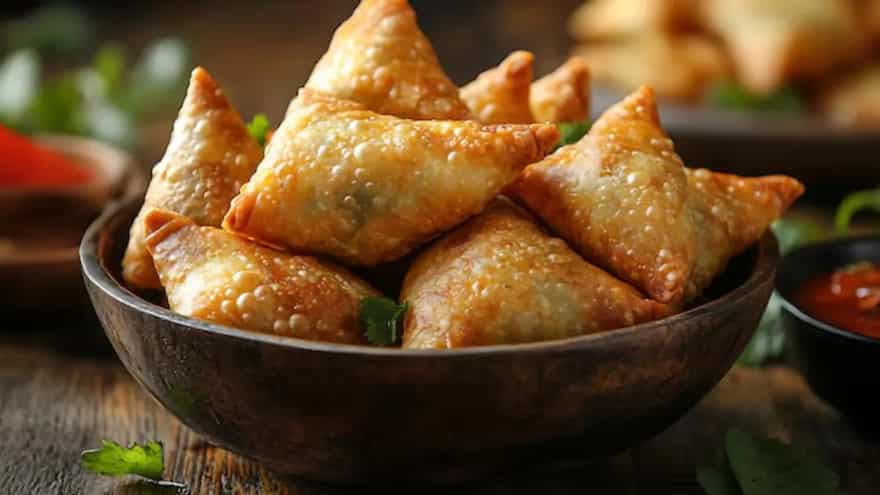
Anjali
Anjali, a 30-year-old PR professional, grew up in Delhi, where samosa was a huge part of birthday parties along with chips, cake, and candies. Reminiscing about her childhood, she says, “Every child’s eyes lit up the moment samosas arrived, and even today at 30, that excitement hasn’t changed. Whether it’s a small gathering or just an evening craving, asamosa has the power to uplift moods and bring people together. For me, being a Delhiite also means being a proud samosa fan. I feel deeply connected to this dish. It's comfort, nostalgia, and joy wrapped in crispy layers.”