


 Share
Share

Every year, World Chocolate Day is observed on July 7, giving chocolate lovers a reason to enjoy their favourite bars and desserts alike. While many people concentrate on the cocoa percentage, fillings, or flavours of the chocolate, one ingredient that quietly shapes almost every chocolate you eat is cocoa butter. That glossy finish, enjoyable snap, and smooth melt-in-mouth feel are all achieved from cocoa butter. If you pull it out of chocolate, it would feel grainy, dull, and less pleasing.
Yet, despite being one of the most crucial ingredients in the chocolate, cocoa butter is widely misinterpreted. It is often misunderstood as a dairy butter, even though it is derived totally from cocoa beans. Beyond just the premium chocolate bars, cocoa butter also plays an important role in confectionery and bakery products. This World Chocolate Day, scroll below to know how cocoa butter is derived and why commercial chocolate manufacturers adore it, offering a look inside the science that changes simple cocoa beans into the chocolate that is enjoyed across the globe.
Where Does Cocoa Butter Come From?
Cocoa butter starts its journey from the cocoa bean long before chocolate reaches grocery shelves. Cocoa butter is the natural fat that is extracted from fermented, dried, roasted, and ground cocoa beans. Once gathered from the cocoa pods, the beans undergo the fermentation process to develop flavour before they are dried and roasted. After this, they are crushed into cocoa nibs, which are ground to make a thick paste also known as cocoa liquor or the cocoa mass. Despite the name, cocoa liquor has no alcohol.
Under high hydraulic pressure, the cocoa mass gets separated into two components, i.e. cocoa solids and the pale-yellow cocoa butter. The butter is then filtered, refined and used.
How Cocoa Butter Is Used In Commercial Chocolate Making
Chocolate makers use cocoa butter to prevent melting, maintain the shine, texture, and flavour, and release long before the completed bar is wrapped to be sold. Here are some ways in which cocoa butter is used to make every piece of chocolate worth enjoying:
Give The Signature Melt To Chocolates
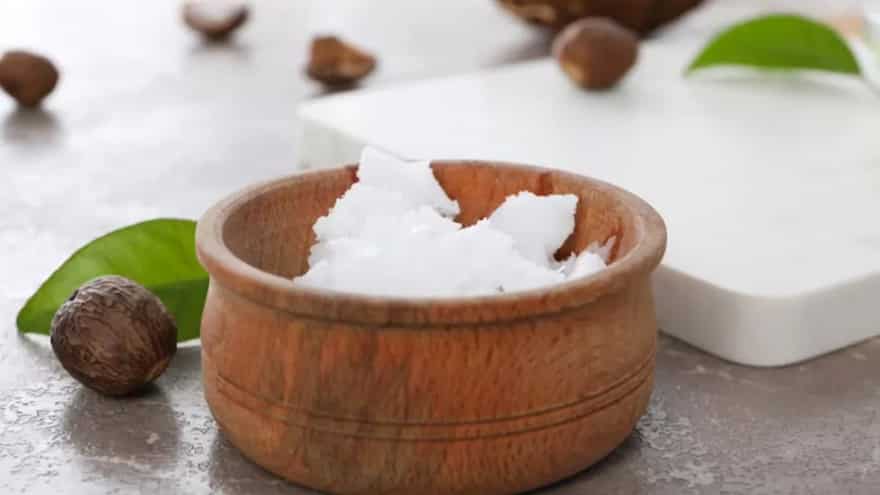
The way chocolate melts luxuriously in your mouth is all because of cocoa butter. One of the most unique qualities of cocoa butter is its melting point, which is just below human body temperature, that is around 34–38°C. This lets chocolate remain solid even at room temperature while dissolving almost instantly once you have a bite of it.
Vegetable fats, on the other hand, seldom behave in the same way, making the replaxing of cocoa butter a bit difficult. The cocoa butter content is balanced depending on whether the dark, milk, or white chocolate is being made.
(Image credit: Freepik)
The Chocolate Gets A Glossy Finish And Clean Snap
Appearance is just as essential as the taste in chocolate. Cocoa butter plays an important role during the tempering process, the controlled heating and cooling method that is used in professional chocolate production. Properly tempered cocoa butter makes stable crystals that give chocolate a glossy appearance, smooth texture, and crisp snapping sound when it is broken.
Without the correct crystal formation, chocolate gets a dull finish, white spots, or fat tends to bloom. Many Large-scale manufacturers invest laboriously in tempering technology as consumers naturally associate shine and clean texture with freshness and premium quality.
Improves Texture In Fillings And Confectionery
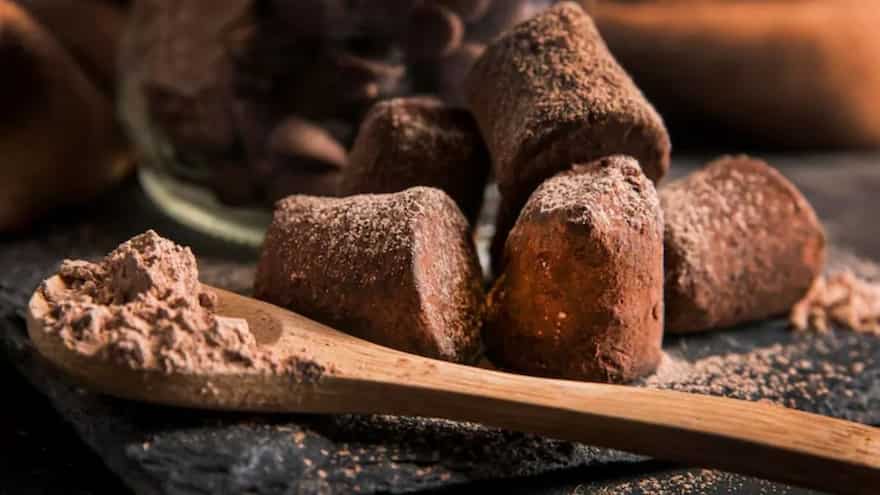
Cocoa butter has far more to do than simply being responsible for making the chocolate bars. Many confectioneries frequently use cocoa butter in truffles, filled chocolates, goodies, and chocolate-coated treats. It remains steady at room temperature but also melts in a smooth way during eating. Cocoa butter helps keep fillings creamy without turning greasy.
It also lets chocolate coatings remain thin while delivering an excellent layer over biscuits, nuts, wafers, and candies. The neutral flavour of cocoa butter supports other ingredients rather than overwhelming them, which makes it perfect to use in refined chocolate recipes.
(Image credit: Freepik)
Carries Flavour Without Dominating It
Cocoa butter quietly supports the flavour in place of contending with it. Unlike dairy butter, cocoa butter has only a soft chocolate scent and a very neutral taste after the refinement process. This makes it an ideal carrier to use for vanilla, fruit, nuts, spices, coffee, and other flavourings that are commonly used in commercial chocolate production. This balance becomes particularly important in flavoured chocolates, where every component needs to work together without hiding the others.




