


 Share
Share

Few desserts carry as much drama in a single spoonful as chocolate fondant does. Crack the shell, tilt the spoon, and out flows a river of warm chocolate that has somehow convinced generations of home cooks and restaurant chefs alike that this is the ultimate test of skill. Funny thing is, nobody quite agrees on who actually invented it, and that unresolved argument is part of what makes the story so entertaining. The most commonly cited version of events involves the American chef Jean-Georges Vongerichten, who claims that in 1987, while working at a Manhattan restaurant, he pulled a chocolate sponge cake out of the oven a touch too early. Instead of binning it, he tasted it. The centre was still runny, warm, and unexpectedly wonderful, and a dessert was born by accident. When Vongerichten opened his own eponymous restaurant in 1997 inside the Trump International Hotel and Tower, the cake went with him, and it quickly became one of the most talked about dishes in New York fine dining. Food critics loved it, diners ordered it obsessively, and it helped cement his reputation as one of the city’s most exciting chefs.
The French Rebuttal
Except French pastry circles tell a rather different story. Chef Michel Bras insists he had already created something remarkably similar six years earlier, in 1981, after nearly two years of experimenting in his kitchen in Laguiole. His method was more deliberate than accidental. He placed a small, frozen disc of ganache into the centre of a cake batter before baking, so that by the time the cake finished cooking, the ganache inside had simply melted rather than baked through. He called it coulant au chocolat, meaning flowing chocolate, and by most French accounts, this is the true ancestor of the fondant we know today.
There is a third claim worth a mention too, one that predates both of these by decades. Back in 1966, an American home cook entered a Pillsbury bake off with something called the Tunnel of Fudge Cake, a bundt cake with a gooey fudge centre created through a rather clever bit of kitchen chemistry rather than deliberate undercooking. It did not use chocolate exactly as fondant does, and the mechanism was different, but it shares that same magical premise of a solid exterior hiding something soft and molten within, and food historians often bring it up whenever this debate resurfaces.
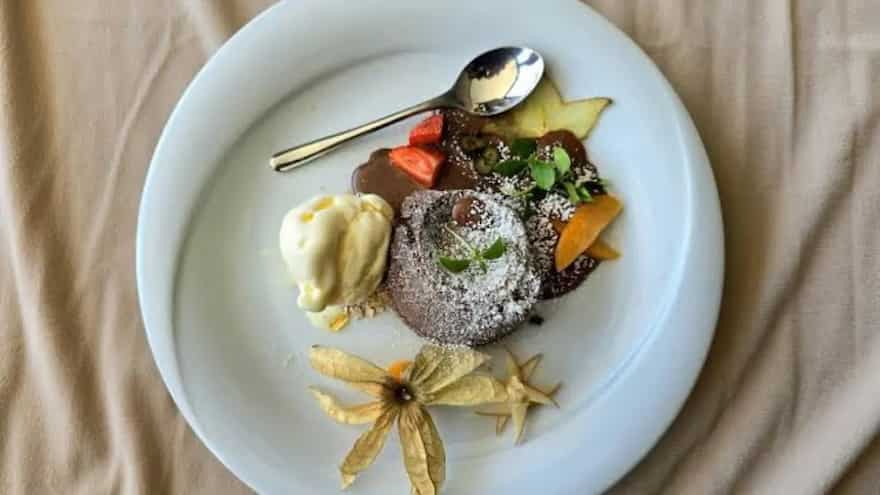
Image credit: Pexels
Sorting Out The Name
Adding to the confusion is a naming mix up that persists even now. In France, fondant au chocolat traditionally refers to a dense, flourless chocolate cake that is meant to feel like it is melting on the tongue rather than actually containing liquid chocolate inside. What most of us mean when we say chocolate fondant today, the version with the genuinely runny centre, is technically closer to what the French call mi-cuit au chocolat or chocolat coulant. Somewhere in translation and in restaurant menu writing across the world, fondant became the catch all term, and it has stuck ever since, regardless of which chef gets credit for the idea.
Whoever truly deserves the credit, by the late nineties the dessert had become something close to mandatory on upscale restaurant menus across America and Europe. It photographed beautifully, it felt indulgent without needing elaborate garnish, and it gave chefs a reliable showstopper that diners kept coming back for. This is roughly the point where television entered the picture and changed everything again.
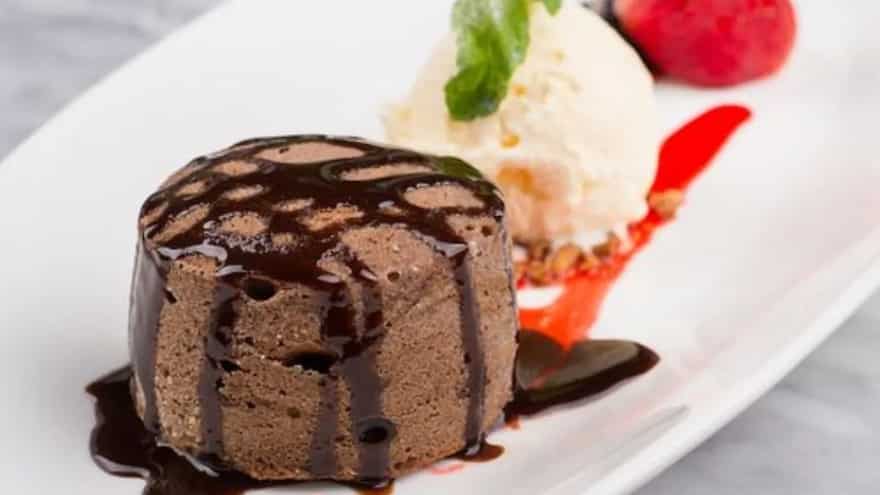
Image credit: Pexels
Why Cameras Fell In Love With It
Cooking competition shows found in chocolate fondant something rather perfect for the format, a dessert that looks deceptively simple but hides a genuine technical risk. Get the timing wrong by even a minute and you either serve a raw centre or lose the ooze entirely to an overcooked cake. That tension translates beautifully to a screen. Viewers do not need culinary training to understand the stakes when a judge cuts into a contestant’s cake and everyone waits to see whether chocolate flows out or sits there, disappointingly solid. Across almost every major cooking show format in the world, fondant kept turning up as a recurring test, precisely because the payoff or failure is instant and visual in a way few other desserts manage.
MasterChef Australia And The Rise Of A Signature Dish
MasterChef Australia gave the dessert one of its earliest and most memorable television moments back in its very first season in 2010. Contestant Callum Hann, still a teenager at the time, made chocolate fondant his signature dish, using it to win challenge after challenge on his way to the grand finale. It became so closely associated with him that fans of the show still bring it up years later, and his success quietly did for Australian home baking what Vongerichten had done for New York fine dining a decade earlier, it turned fondant into something people actively wanted to attempt in their own kitchens rather than only order at a restaurant. Later seasons kept the dessert in rotation too, with judges themselves sharing their own fondant methods in masterclass segments for home viewers to copy.
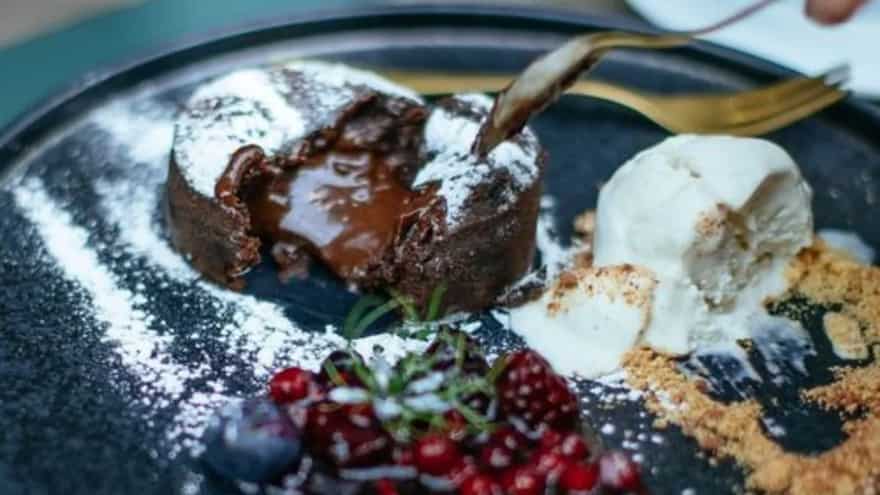
Image credit: Pexels
The Great British Bake Off Gives It A New Name
Across the Atlantic, The Great British Bake Off found its own way of putting the dessert in front of millions of viewers. In the show’s very first series, a Desserts episode set a chocolate fondant style pudding as the signature challenge, and Paul Hollywood later shared his own version of it, cheekily renaming it Chocolate Volcanoes because of the way the molten centre erupts out once cut. The renaming stuck around in the show’s own recipe archives, and it is a neat little example of how a single episode of television can take a French restaurant classic and repackage it as something distinctly and comfortingly British, complete with pudding basins and Sunday dinner table associations rather than fine dining pretension.
Nigella Lawson And The Home Cook Angle
Nigella Lawson deserves a mention too, since her television programmes have long specialised in taking restaurant style desserts and stripping away anything that feels intimidating. Her own chocolate fondant recipe, demonstrated on screen and repeated endlessly across her cookbooks and website, leans on the same basic method every version of this dessert relies on, good chocolate, butter, eggs, and a short, carefully watched bake. What her version added to the story was reassurance. Watching a familiar, relaxed television presence make something that restaurants charged a premium for, using nothing more exotic than ramekins from the back of a kitchen cupboard, did as much to demystify fondant for home cooks as any competition show challenge did.
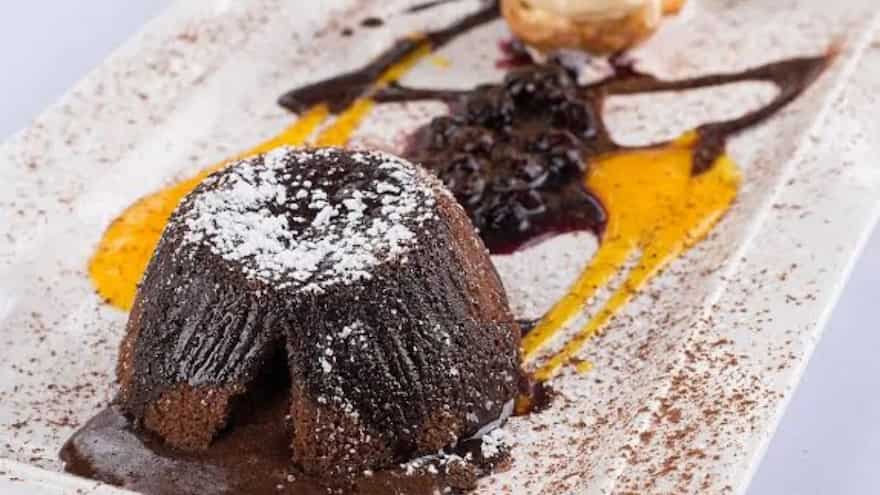
Image credit: Pexels
Gordon Ramsay And The Pressure Test Era
Gordon Ramsay’s various shows, MasterChef in its American and Junior forms among them, leaned on chocolate fondant repeatedly as a pressure test dessert, often assigned to contestants specifically because it exposes inexperience so quickly. A slightly underbaked centre draws praise, an overbaked one draws visible disappointment from the judging panel, and that binary outcome made for reliably watchable television across many seasons and international spin offs. The format travelled well precisely because the dessert itself needed no adaptation, only a stopwatch and steady hands.
MasterChef India Brings It Home
MasterChef India brought this same dynamic to Indian television audiences, and it did something particularly useful along the way. Home bakers watching from their living rooms saw contestants, often home cooks themselves rather than trained chefs, attempt fondant on camera, and it stripped away some of the intimidation that used to surround the dish. If someone’s cousin’s neighbour type contestant could pull it off with a kitchen timer and a set of ramekins, viewers reasoned they probably could too. Recipe searches for fondant spiked around episodes featuring it, home baking forums lit up with timing tips, and bakeries and home baking entrepreneurs across Indian cities began adding it to their own menus, riding the same wave of confidence that reality television baking culture created more broadly in the country over the past decade or so.
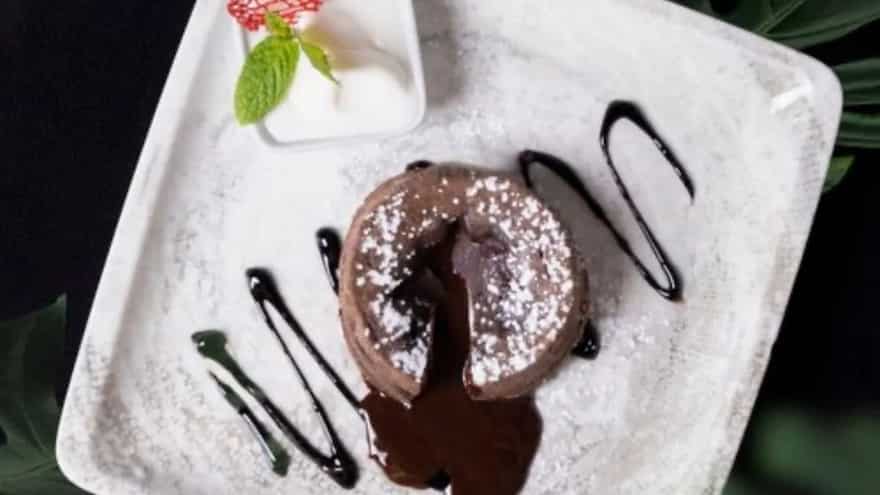
Image credit: Pexels
Why It Keeps Working
It helped too that fondant travels well as a concept. It needs no complicated cultural translation, unlike some French pastry classics that feel distinctly foreign on an Indian dessert table. A ramekin, some good dark chocolate, butter, eggs, and a hot oven is all it really asks for, and the result feels celebratory enough for anniversaries and Valentine’s Day dinners without requiring imported ingredients or professional equipment. Television did not invent that accessibility, but across MasterChef Australia, the Great British Bake Off, Nigella’s own shows, Gordon Ramsay’s various formats and MasterChef India, it certainly advertised it, week after week, season after season, until fondant stopped feeling like an exotic restaurant treat and started feeling like something achievable in an ordinary kitchen.
So the next time you break into one, whether at a restaurant or at your own dining table, spare a thought for the accidental discoveries, the disputed claims, and the decades of television drama across so many different countries and shows that quietly turned a lucky kitchen mishap into one of the most beloved desserts in the world.




