


 Share
Share

International Women’s Day 2026 serves as a powerful reminder that empowerment begins with understanding our own biology. For too long, the nuances of the female endocrine system were overlooked in general nutrition, but the conversation is finally shifting toward bio-individuality. True wellness is not just about what we eat, but when we eat it in relation to our shifting hormones. To help us navigate this complex landscape, we spoke with Dr Archana Batra, a renowned Dietitian and Certified Diabetes Educator. With her deep expertise in metabolic health and hormonal regulation, Dr Batra breaks down how cycle syncing and seed cycling can transform the way women experience their monthly cycles.

Image credit: Pexels
Understanding Cycle Syncing
1. To begin with, could you explain what cycle syncing is and why it has become such an important concept in women’s nutrition?
Cycle syncing is the practice of aligning your dietary intake with the specific fluctuations of your hormones, particularly oestrogen and progesterone. It has become a vital concept because it acknowledges that a woman's body has different requirements at different times of the month. For instance, this might involve seed cycling or incorporating progesterone supporting foods during the luteal phase to ensure the body has the building blocks it needs for hormonal health.
2. How do nutritional needs shift across the four phases of the menstrual cycle: menstrual, follicular, ovulatory, and luteal?
During the menstrual phase, the focus should be on iron-rich foods to replenish what is lost during bleeding. Magnesium is also crucial here because low levels can worsen PMS symptoms. In the follicular phase, as oestrogen levels begin to rise, the body requires support to process this increase. Moving into the ovulatory phase, we prioritise antioxidant-rich and fibre-rich foods to assist with detoxification and maintain hormonal balance. Finally, in the luteal phase, we introduce progesterone supporting foods. Many women suffer from severe PMS due to low progesterone, so adding magnesium, vitamin B6, protein, and fibre during this time is essential to support the natural rise of this hormone.

Image credit: Pexels
Navigating The Menstrual Phase
3. During the menstrual phase, when energy levels may feel lower, what foods or nutrients do you recommend to support recovery and reduce fatigue or cramps?
When energy is low and cramps are a concern, focus on iron, magnesium, vitamin B6, vitamin C, and omega-3 fatty acids. Dark chocolate, bananas, and pumpkin seeds are excellent choices as they provide iron and zinc. To ensure your body actually absorbs the iron, you should include citrus fruits or other vitamin C sources. It is also wise to opt for warm, soothing meals rather than cold or raw foods. Ginger tea is a fantastic addition to help reduce nausea, gas, and bloating. While foods containing vitamin B6 are helpful, try to avoid heavy snacking on nuts and seeds specifically during the bleeding days, and keep your meals light but nourishing.

Image credit: Pexels
Oestrogen and Energy: Follicular And Ovulatory Phases
4. In the follicular and ovulatory phases, when oestrogen is rising and energy often improves, how can women adjust their diet to make the most of this phase?
In the follicular phase, your insulin sensitivity is typically at its best. This means your body is more efficient at utilising carbohydrates, making it a great time to include healthy whole grains. Fibre is your best friend during these phases because it helps with oestrogen metabolism. If oestrogen levels become excessively high, fibre helps the body flush out the excess. I also recommend antioxidant-rich fruits like pomegranates and berries, along with cruciferous vegetables like broccoli or cauliflower, which are specifically helpful for hormonal detoxification.

Image credit: Pexels
Managing The Luteal Phase And Cravings
5. During the luteal phase, when cravings, mood changes, and bloating are more common, what dietary adjustments can help stabilise blood sugar and support progesterone production?
To manage those intense cravings, ensure that every meal contains a balance of protein and fibre. Instead of reaching for sugary snacks, try pairing dark chocolate with almonds or keeping fresh fruits and pumpkin seeds nearby. You should include plenty of green leafy vegetables and make a conscious effort to avoid processed or refined sugars. Since PMS symptoms are often exacerbated by blood sugar spikes, a diet rich in magnesium and vitamin B6 will help stabilise your mood and energy.
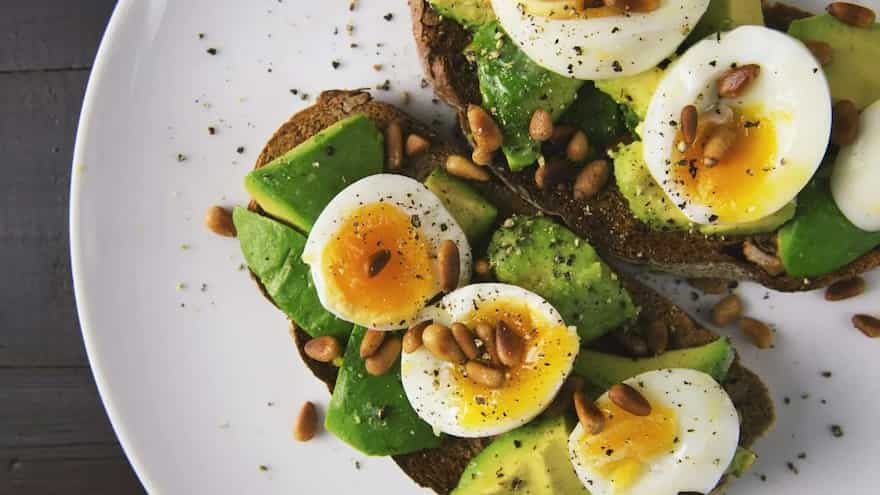
Image credit: Pexels
What To Avoid For Hormonal Peace
6. Are there specific foods, stimulants, or eating habits women should reduce or avoid during certain phases to minimise PMS symptoms, inflammation, or hormonal fluctuations?
Inflammation is a major driver of menstrual discomfort. During the phases leading up to your period, it is important to cut back on processed foods that are high in sodium. Excessive salt leads to water retention and bloating, while too much caffeine can increase anxiety and disrupt sleep. Sugar is another major culprit as it is highly inflammatory. If you want to prevent your PMS from worsening, you should significantly reduce your intake of junk food, excess salt, and stimulants.
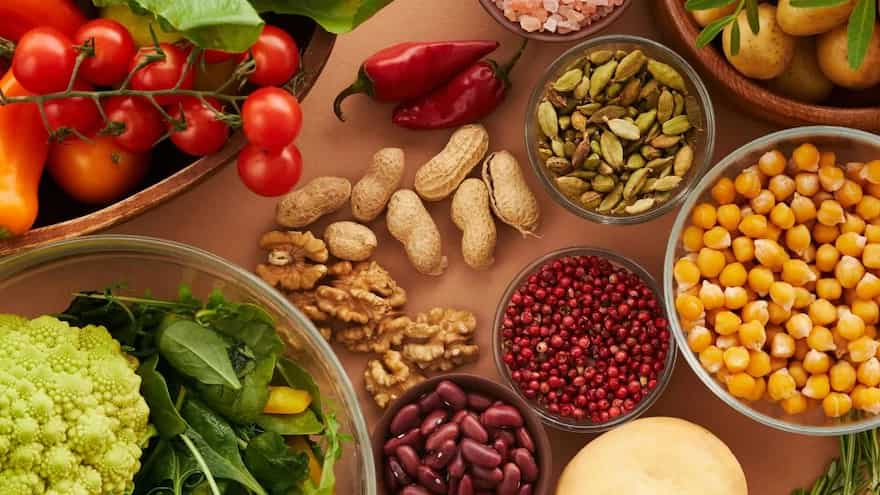
Image credit: Pexels
Tailoring Nutrition For Specific Conditions
7. For women living with PCOS, endometriosis, thyroid imbalances, or irregular cycles, how should cycle-based nutrition be modified, and are there any precautions to keep in mind?
Cycle-based nutrition is rooted in hormonal shifts, but conditions like PCOS often involve insulin resistance. In these cases, the priority is a low glycaemic index (GI) diet rich in turmeric, omega-3 fatty acids, and high-fibre vegetables. For those with thyroid imbalances, the diet should be supplemented with selenium and iodine-rich foods, while ensuring protein intake remains high across all phases. If your cycles are irregular, it is often more effective to focus on overall metabolic health rather than strict cycle syncing. In such scenarios, focusing on a low GI, high protein, and high fibre diet is the best way to encourage the body back into a regular rhythm.
The Science And Practice Of Seed Cycling
8. Seed cycling is often discussed alongside cycle syncing. From a clinical perspective, what exactly is seed cycling, and how does it claim to support hormonal balance?
Seed cycling is a food-based practice involving the consumption of specific seeds during different phases of the cycle. Clinically, we view it as a nutritional strategy rather than a medical cure. The idea is that specific nutrients like lignans, zinc, and selenium support the metabolism of reproductive hormones. While robust clinical trials are limited, the benefits likely stem from the high-quality fibre and micronutrients these seeds provide, which naturally assist the body in regulating oestrogen and progesterone.
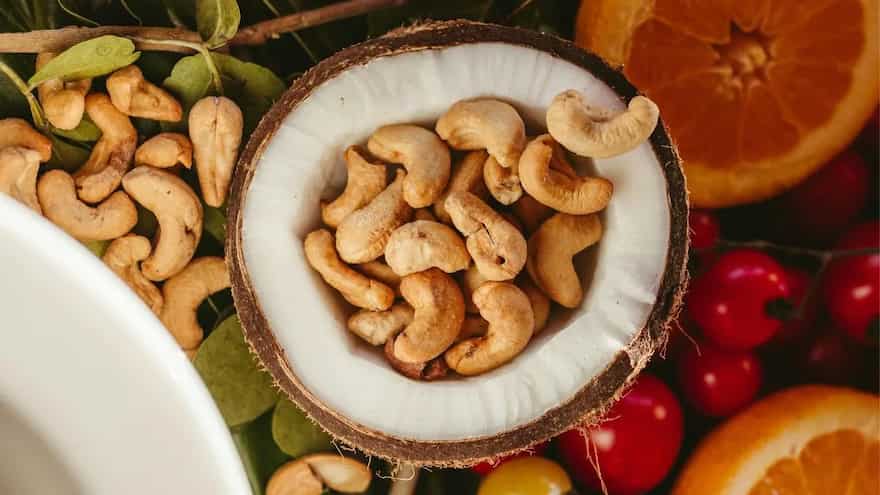
Image credit: Pexels
9. Which seeds are typically recommended for each phase of the menstrual cycle, and what nutrients in these seeds are thought to influence oestrogen and progesterone levels?
The practice is divided into two main blocks:
• Follicular Phase (Days 1 to 14): Use flaxseeds and pumpkin seeds. Flaxseeds are rich in lignans to support oestrogen metabolism, while pumpkin seeds provide the zinc necessary for healthy ovulation.
• Luteal Phase (Days 15 to 28): Use sesame seeds and sunflower seeds. Sesame seeds provide healthy fats and lignans, while sunflower seeds are packed with vitamin E and selenium, both of which support progesterone production and act as antioxidants.
10. If someone wants to try seed cycling, how would you suggest they create a practical, sustainable plan, and how long should they follow it before assessing results?
A simple and sustainable way to start is by using 1 to 2 tablespoons of the relevant seed mix daily. It is vital to consume the seeds ground rather than whole to ensure your body can actually absorb the nutrients. You can easily stir them into curd, oatmeal, salads, or even your daily chutney. If your cycles are currently irregular, you can align the phases with the lunar cycle or simply alternate the seed mixes every 14 days. Consistency is key, so give it at least three months before evaluating how it has impacted your symptoms.




