


 Share
Share

Pickles have been a part of the meal all around the world for so many years. Every country has its unique varieties of pickles, from the kimchi of Korea to the aam ka achaar of India. The pickling process was initially a method of preserving food, but later became an important part of the daily meal. In India, a ‘thali’ is considered incomplete without a pickle. But did you know that pickles are more than 3,000 years old? According to historians, pickles were discovered in the Tigris Valley using cucumbers that came from India. The word pickle came from the Dutch word ‘pekel’ meaning brine, an important component of pickling. Pickles have travelled very long to become the most popular condiment in the world, and they can never be replaced on the palate. Whether it is seasonal fruit and vegetable pickles or non-veg pickles, they always add a punch to our meal.
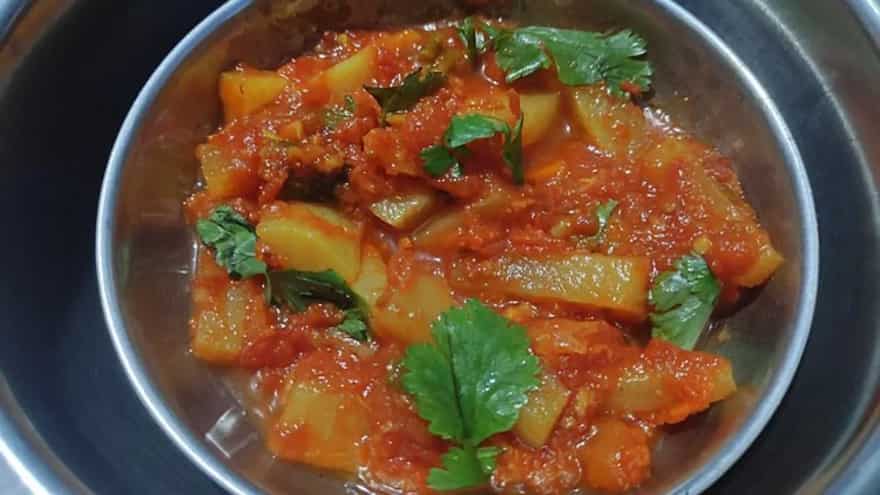
Image Credit: Wikimedia Commons
Bengalis are undeniably hard-core gourmands. But unknown to many, Bengalis are also much in love with pickles that form an integral part of their winter meals. Drop in at a Bengali home, and you are sure to be mesmerised by their unique and tantalising achaars made with fresh ingredients at home. These pickles are pretty different in flavour and taste from their North Indian counterparts. The people of Bengal are known for their typical methods of cooking meals. These styles are also evident in the way they prepare pickles. Pickles are among the most loved condiments enjoyed across the globe. A small portion of pickle can enhance the taste of the entire meal. Here are the most interesting pickle concoctions from the Bengali kitchen that even you can try making at home:
Kuler Achaar
A lip-smacking pickle made of kul or jujube grown in Bengal, kuler achaar is a famous pickle savoured with pujor khichdi and peas kachori. The berries have a titillating sweet and sour taste, which is enhanced by mixing sugar or jaggery. Even after you have had the outer layer of the berry, you would not want to leave the seed till the remnants of sugar and sour coating have exhausted. Kul or ber are popular offerings to deities in spring festivals like Saraswati Puja and Shivratri, which is how important this seasonal fruit is to Bengalis. Another very important facet of pickle-making in Bengal is the chronology, which is in tandem with the harvests. Since kul arrives early and leaves even earlier, it is one of the first fruits to be ‘pickled’, it is followed by tamarind achaar, mango achaar and finally Kasundi before monsoon.
Beguner Achaar
This is a really fantastic recipe that uses spices instead of oil to pickle brinjal for a tasty pickle. Beguner achaar tastes excellent, and to enhance the flavour, you can add a little pickle oil to the bata and bhortas. It is a match made in heaven when you add a green chilli. This distinctive Bengali achaar will become a staple in every meal once you experience the mouthwatering flavour of this brinjal pickle cooked in mustard oil and a variety of spices. You can simply eat this with rice. Nothing less, nothing more.
Tetuler Achaar
This pickle is one of the best hot, sour, and sweet pickle combinations. Tetuler achaar or tamarind pickle is one of the hot favourites with Bengalis. What makes this unique combination a big hit is the added masala made of roasted cumin and red chilli powder, and sugar - a flavour that would make you crave more. For generations, tamarind has been valued for its distinct flavour and adaptability, giving a variety of cuisines a unique personality. Believed to have originated in Africa, tamarind found its way to Indian shores, captivating the taste buds of its people and gradually becoming an indispensable part of their culinary heritage. From savoury chaats to appetisers like kebabs and main courses, tamarind chutney continues to grace countless plates, leaving an indelible mark on the vibrant and diverse palette of Indian gastronomy.
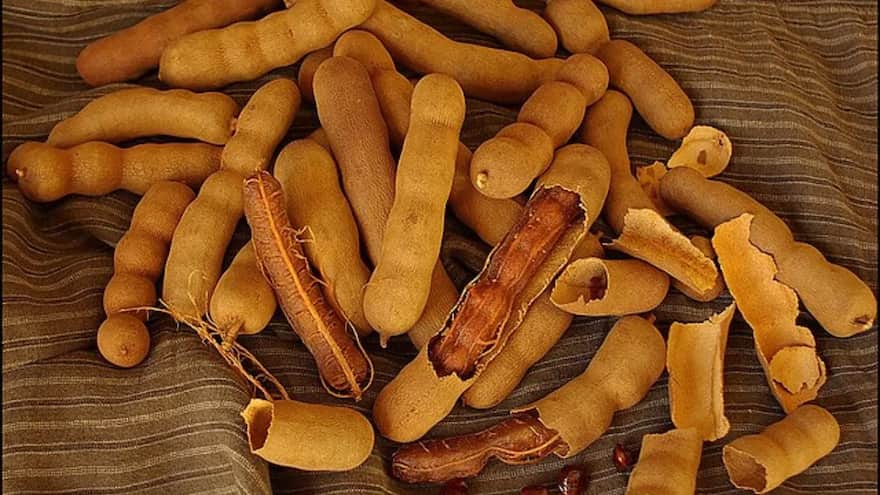
Image Credit: Wikimedia Commons
Also Read: Know These Vinegar-Based Pickles? Read Here
Lanka Achaar
Hot pickle lovers would vouch for the insatiable, mouth-watering taste of this Bengali green chilli pickle. A simple homemade recipe, this pickle is made with green chillies, roasted and powdered mustard and fenugreek seeds, lime and vinegar and can be made ready in minutes. Do not forget to mix the mixture in hot mustard oil, without which the flavour falls flat. Store in an air-tight glass jar to enjoy with dal and rice or khichdi. From red to green, several chillies are dried out and preserved in oil so that they attain a certain tanginess along with the spice.
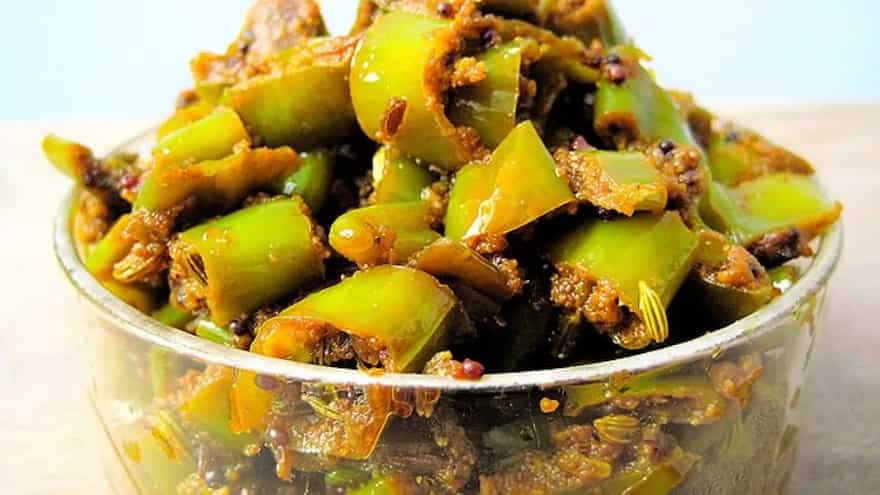
Image Credit: Wikimedia Commons
Lebur Achaar
This recipe is similar to the green chilli pickle. Leber achaar or lime pickle has a tangy, hot and sour flavour that tantalises your taste buds. Do not forget to add some pepper and turmeric for a flavoursome condiment. Their numerous health advantages enhance the flavour of pickles. They are perfect for late-night meals when you don’t feel like cooking! Furthermore, homemade achaar has mostly sweet, sour, or salty flavour characteristics. However, as one might anticipate from Bengali cuisine, the tastes are really potent.




