


 Share
Share

Since ancient times, roselle has been used as a botanical remedy. There are numerous names for it. The Malvaceae family includes the shrub known as roselle or hibiscus sabdariffa. Roselle originates in Africa and Caribbean nations like Trinidad and Tobago and the West Indies and is now extensively cultivated throughout the world's tropical and subtropical climates, especially in India and Southeast Asia. In India, people often know it as lal ambari. It is referred to as red sorrel in English-speaking nations. You may come across it as sour tea in Iran. But one common thing is the various ways you can use it in your kitchens, especially in India. When and how are you going to use the roselle plant in your culinary experiments? These recipes are not only tasty but have health benefits too, and help you to get creative in the kitchen.
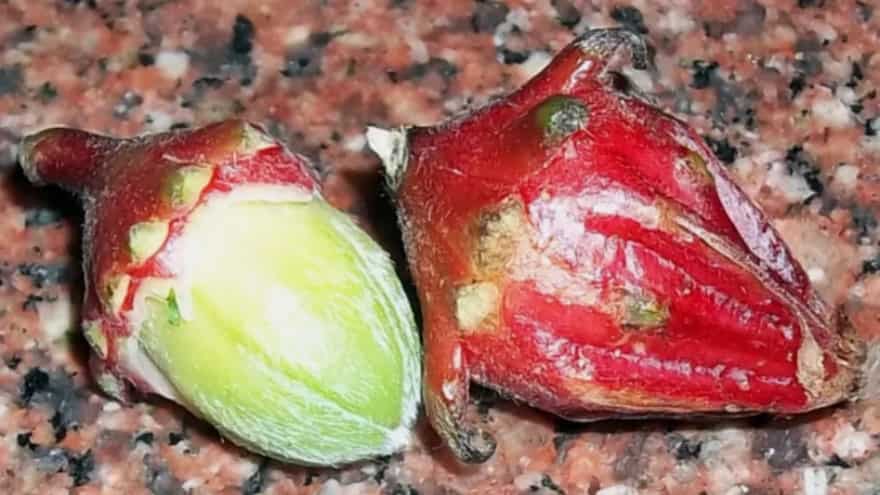
Image Credit: Wikimedia Commons
Roslle Jam
A lovely method to preserve the bright flavour of this unique plant is to make roselle jam. First, gather water, lemon juice, sugar, and fresh roselle petals. To begin, properly clean the roselle petals by rinsing them under running water. Put 1 cup of water, 2 cups of sugar, and 2 cups of washed roselle petals in a pot. Over medium heat, bring the mixture to a boil, stirring often. Once they come to a boil, turn the heat down and cook for another 20 to 25 minutes until the sauce is thick. You'll notice a shiny finish and a lovely deep red colour. After turning off the heat, thoroughly stir in the two tablespoons of lemon juice. Fill cleaned jars with the hot jam, then carefully seal them. But especially throughout the year, this roselle jam has a cool taste, and it tastes perfect on toast, waffles, or yoghurt.
Roselle Tea
A revitalising beverage, roselle citrus tea blends the bright aromas of citrus fruits with the acidity of roselle. To make this refreshing drink, combine water, honey, fresh citrus fruits (such as lemons or oranges), and dried roselle petals. In a saucepan, pour four cups of water and let it come to a boil. Once boiling, simmer for around 15 minutes after adding 1 cup of dried roselle petals and lowering the heat. The petals will colour the water red and add a citrus taste to it. After turning off the heat, pour the mixture into a pitcher, throwing away the used petals. Add one orange and one lemon juice to the tea while it's still warm, then honey to taste and stir until it dissolves. The tea is a seasonally appropriate beverage that can be sipped hot or cold.
Gongura Chutney
This particular type of leafy green, popularly known as roselle, sorrel, or ambadi, has its special place in India, especially in Andhra Pradesh recipes. When the leaves are at their finest in the winter, it is a highly valued component because of its distinct tangy-sour flavour profile. This is because these leaves are not only delicious to add to your meals this winter but also contain nutrients. Adding significant ingredients like gongura to your dishes can provide your diet with a nutritional boost and a taste boost once the cold winter arrives. Due to the rich amount of vitamin and mineral content, roselle leaves can be used in many food preparations, starting with appetisers and ending with main dishes. These recipes enhance the winter dinner, whether you are new to Gongura or already familiar with it.
Gongura Leaves Bhaji
This simple but tasty dish is a great way to experience the distinct flavour of gongura. Sort and clean two bunches of gongura leaves first, cutting off the thick stems. Chop the leaves finely and save. Add one teaspoon of mustard seeds, two dried red chillies, and a pinch of asafoetida to a skillet with two teaspoons of heated oil. Add one finely chopped onion and sauté it till golden after the seeds have spluttered. Cook for one minute after adding one teaspoon of ginger-garlic paste and two chopped green chillies. Add 1/4 teaspoon of turmeric powder, chopped gongura leaves, and salt to taste. Cover and simmer over medium heat for 10 to 12 minutes, stirring periodically, until the leaves are cooked through and no longer smell raw. Once tempering is complete, serve hot over rice or rotis.
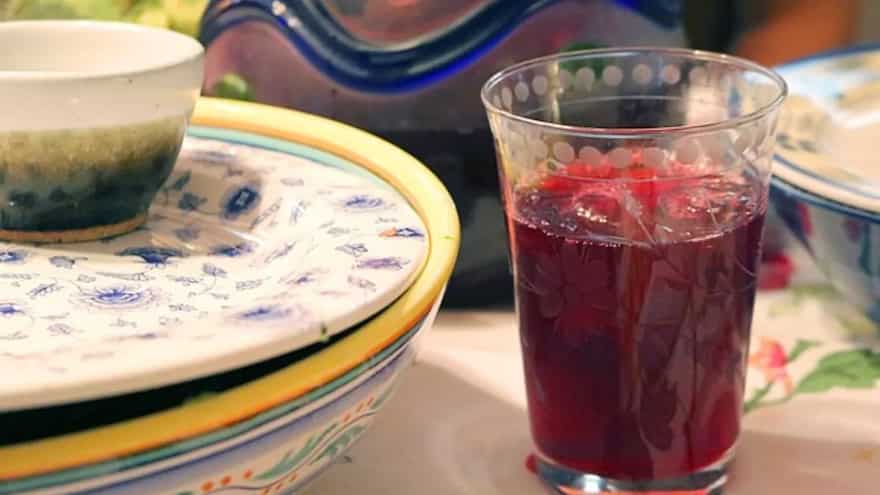
Image Credit: Wikimedia Commons
Tenga Mora
A summertime favourite is the Tenga Mora (roselle) recipe, which consists of fried fish and a blend of potatoes and roselle leaves. The fish must be cleaned, coated with a mixture of salt and turmeric, and fried till golden brown. Before being cooked with a mixture of mashed boiled potato puree and mustard oil infused with turmeric, the leaves are cleaned, chopped, and soaked to remove contaminants. The recipe is completed with a garnish of fresh coriander after the fried fish has been placed in the pan to simmer and absorb the aromas.
Chukai Mishti Chutney
A traditional Bengali condiment, chukai chutney is produced from raw roselle or chukai fruit and is prized for its tart, biting taste with hints of sweetness. Basic ingredients like mustard oil, salt, and green chillies enhance the natural flavour of the fruit. Its slightly coarse texture gives a rustic character, and it is traditionally ground by hand on a stone slab. When consumed fresh with fried fish, dal, or steaming rice, it gives regular meals a lively boost. Seasonal and local, chukai chutney is a reminder of Bengali culinary heritage, connecting generations through its bold aroma, tangy punch, and comforting, homemade simplicity that celebrates natural flavours without fuss.




