


 Share
Share

Winter not only changes the weather, but also what the body needs. As the temperature falls, the immunity drops, joints feel stiffer, and the body craves natural warmth and energy. Winter brings with it the goodness of leafy green vegetables, like it's nature’s way of keeping the body warm from within, just like coats and sweaters. Sarson, methi, palak and many other saag are filled with goodness of iron, vitamin C, antioxidants and good-for-you fibre that support digestion, boost immunity, and keep you warm and active from within even on the coldest, foggy mornings.
These green vegetables not only fill your plate, but they also nurture the bones, blood, and gut. From a bowl of saag with makki roti to methi parathas with curd, winter greens vegetables change everyday meals to a form of self-care which feels comforting, homely and totally in sync with what your body demands
Sarson (Mustard Greens)
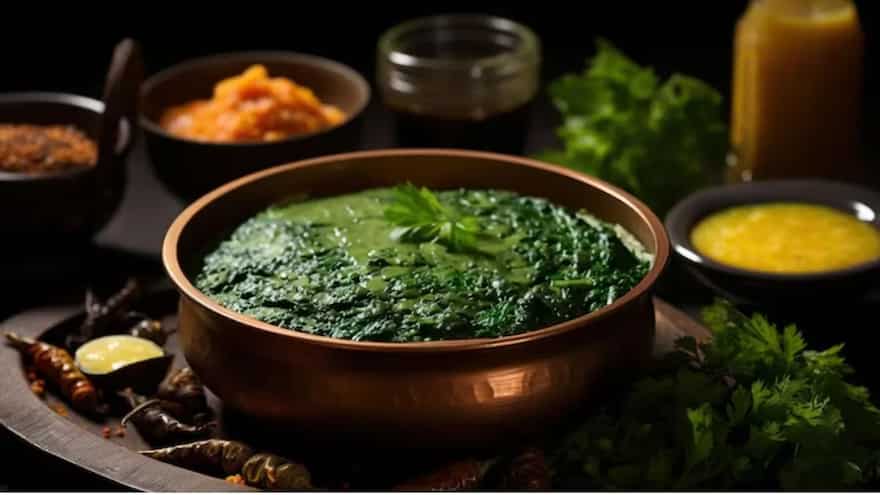
Sarson has a slightly strong, peppery flavour profile. It is rich in iron, folate, and vitamins A, C, and K, which support the immune system on cold winter days. The natural warmth in it makes these greens excellent for fighting winter tiredness. Cooked slowly and paired with makki ki roti, it not only fills the stomach but also comforts stuffy joints and exhausted bodies. A plate of sarson ka saag feels like a comfortable, wellness tonic hidden as a wholesome meal.
(Image credit: Freepik)
Methi (Fenugreek Leaves)
Methi leaves have a gentle bitterness that actually feels pleasant in winter. It helps in keeping the body warm. Methi is loaded with fibre, iron, and antioxidants that help in digestion, control blood sugar levels, and boost stamina. During cold winter days, methi parathas, theplas, or methi dal help balance the digestion and prevent the bloated, dull feeling. Lightly sautéed with garlic or kneaded into the dough, methi can change simple meals into winter buddies that boost the nourishment from within while delivering depth and aroma to your plate.
Palak (Spinach)
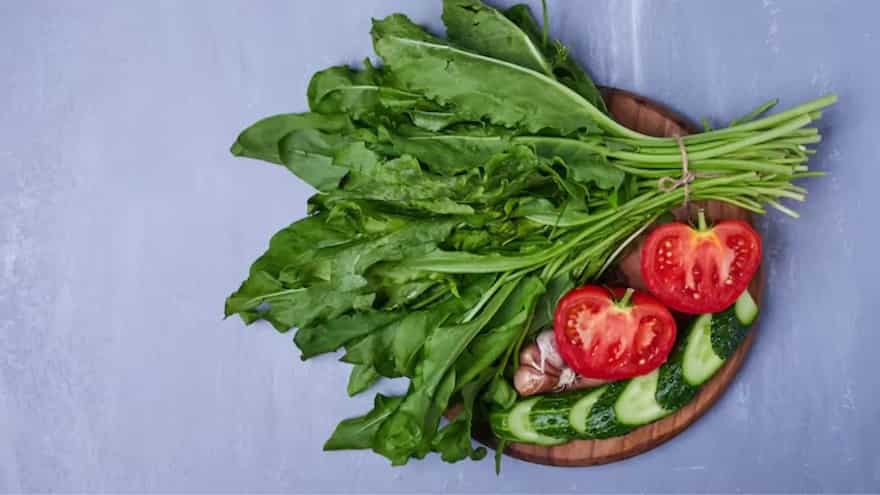
Palak is that reliable winter hero that delivers nutrition to almost everything it is added to, right from dal to soups to parathas. Filled with iron, vitamin C, and magnesium, it helps in combating tiredness, supports the immune system, and keeps the energy levels stable on cold, chilly days. Spinach in winter is fresher, crisper, and more full of flavour than any other time of the year, making it perfect for favourite palak paneer, creamy soups, kababs or stir-fries. When the body desires warmth but still wants a light, healthy food, palak peeps in as a satisfying yet nutrient-dense choice.
(Image credit: Freepik)
Gajar (Red Carrots)
Those deep coloured red winter carrots not only look visually pleasing, but they are also powerful. Loaded with antioxidants and natural sweetness, they support eye health, make skin glow, and boost immunity, all of which takes a toll in cold, dry weather. In many Indian homes, gajar changes into everything from salads and sabzis and even desserts like iconic gajar ka halwa. Their gentle sweetness fulfils the cravings for dessert, while the fibre keeps digestion intact. Every bite of delicacies prepared with gajar feels like a little delicious step towards better health.
Shalgam (Turnips)
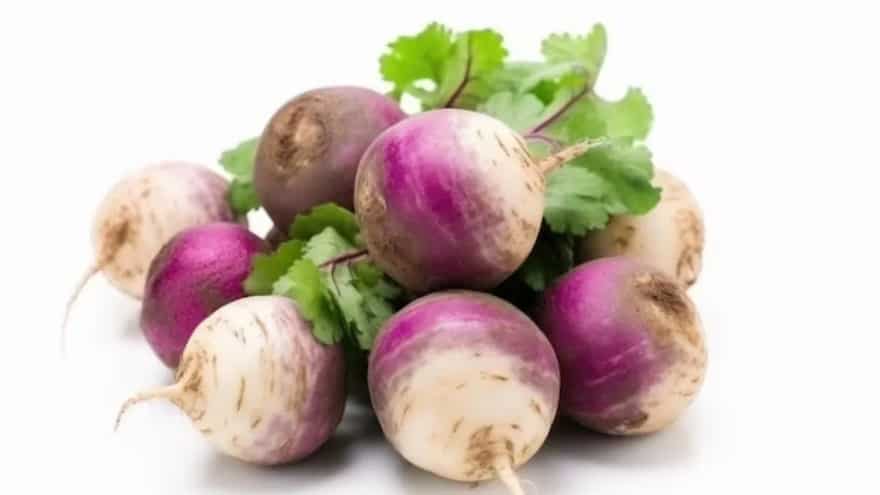
Shalgam is an underrated winter vegetable that deserves more attention. Mildly sweet, peppery, and extremely comforting when cooked with an onion and garlic base. Turnips or shalgam are a powerhouse of vitamin C, fibre, and minerals that sustain immunity and gut health, essential in colder days. Whether prepared in a homely style, shalgam ki sabzi, pickled achar, or added to broths, they deliver a rustic charm that fills you with warmth from within.
(Image credit: Freepik)




