


 Share
Share

Winter calls for palak saag season, the time when markets flood with deep green bundles, swearing warmth, nourishment, and comfort in every spoon. Yet, this winter favourite is also one of the most misunderstood dishes in Indian kitchens. In the rush to make it taste rich, green, or more “restaurant-like,” we often unknowingly sap out the very nutrients that make palak so amazing. Overcooking, excessive reheating, or drowning it in ghee can quietly change a power-packed winter dish into just another gravy.
Saag is meant to be mild, on heat, on spices, and on timing. When cooked correctly, it maintains its vibrant colour, earthy flavour, and iron-rich goodness that is in demand during the winter season. This is the season when palak supports the immunity, warmth, and energy, and loses its soul at the stove. Knowing exactly what not to do while making palak saag can make all the difference between a healthy winter staple and just cooking it.
Overboiling Palak Until It Loses Its Soul
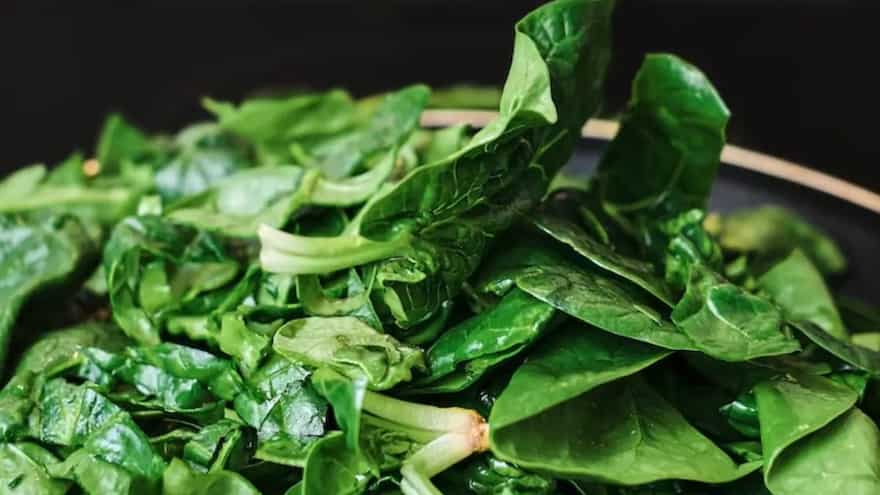
Palak is soft, but many treat it like a winter green that needs constant boiling. Overcooking destroys its iron, folate, and vibrant green colour, leaving behind a dull, dead puree. During the winter season, palak should be blanched quickly, just until wilted, then immediately transferred to cold water. This locks the nutrients as well as the freshness. Keep in mind, saag is meant to be nourishing and alive, not drained. Less heat will preserve its warmth-giving nutrients, whereas it will keep the flavour fresh as well as mildly sweet.

(Image credit: Freepik)
Skipping Ice Bath After Blanching
Blanching palak without shaking it in ice-cold water is a common mistake that quietly steals it of nutrition. Without this step, residual heat will continue cooking the leaves, dimming both colour and vitamins. In the winter season, when greens are meant to increase immunity, this step is even more important. An ice bath stops cooking instantly, keeping the palak bright, iron-rich, and fresh-tasting. That restaurant-style green saag that you see is not magic, but it’s temperature control done right.
Cooking Palak With Too Much Oil Or Ghee
While winter cooking includes a great amount of fats, soaking palak in oil or ghee hides its earthy flavour as well as reduces its healthy influence. Excess fat mulls down the dish and makes it feel heavy rather than being recovered. Palak requires just enough fat to absorb fat-soluble vitamins like A and K, and not so much that it turns greasy. Use ghee thoughtfully, so that the spinach can shine. A balanced saag will feel enjoyable, not sluggish, even on the cold winter evenings.
(Image credit: Freepik)
Adding Tomatoes Too Early
Tomatoes are often added in at the beginning, but their acidity can prevent palak from cooking evenly and can also dull its colour. To cook saag in winter, timing matters. Cook the onions and spices first, then add palak to it, and add tomatoes only towards the end. This will preserve the mild sweetness of palak and prevent bitterness. The result is a softer, more balanced saag that will taste layered rather than being too sharp. Thoughtful sequencing of ingredients will keep both flavour and nutrients unchanged.
Over-Spicing To “Warm It Up”
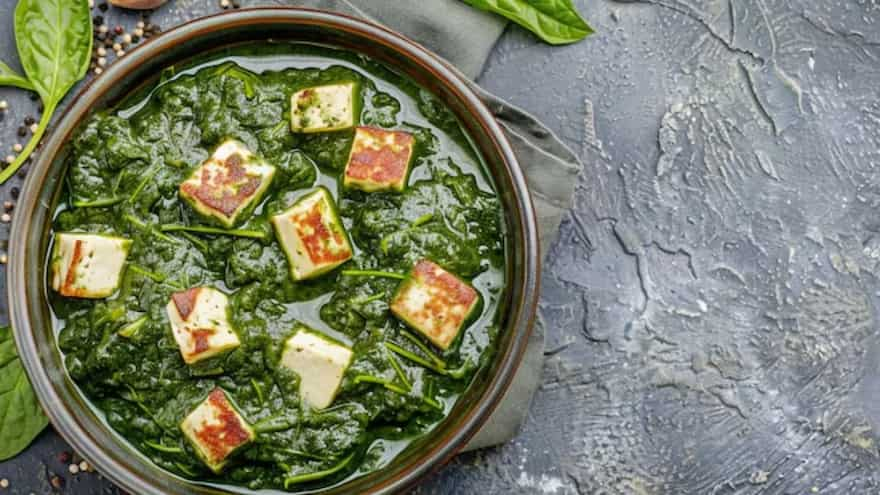
Winter cooking often lures you to add extra garam masala or chilli, but palak does not need overpowering spices. Too much heat can mask its natural flavour and even interfere with digestion. Palak saag works best with mild warming spices such as garlic, cumin, and a hint of ginger. These will enhance absorption as well as warmth without charge. A good winter saag comforts and does not shout.
(Image credit: Freepik)




