


 Share
Share

Have you ever made roti or paratha in an OTG? Yes, you can make Indian flatbreads with this appliance. If you have not tried it yet, you are missing out on a trick that can make your life super easy. But if you have made it, you know that baking and roasting on a tawa yields fulkas and parathas with different tastes. Isn’t that obvious? You miss the smoky aroma or the flatbread comes out slightly dry and toasted like papad. But you need to understand why this happens, and it can be fixed with a couple of tricks that work like magic with Usha’s OTG. Not only you will be able to make simple roti or paratha, but also other flatbreads and flaky baked goods.
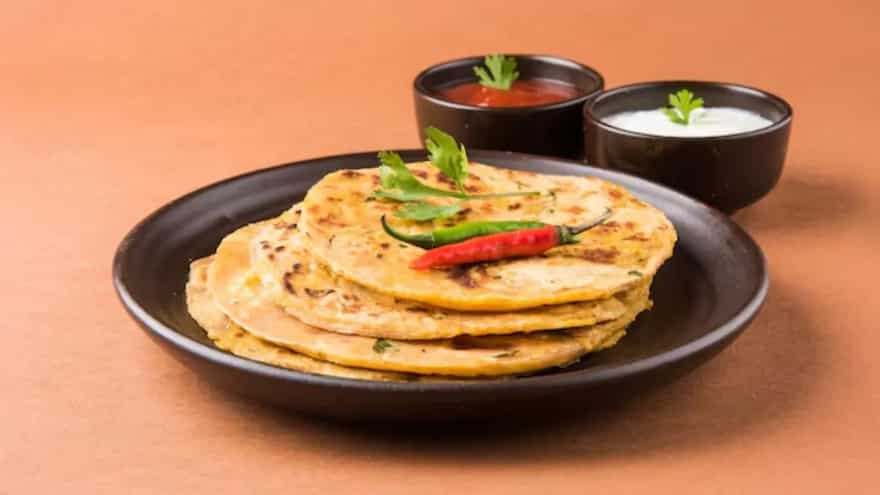
If you don’t have Usha’s OTG, Shop Now  .
.
Moisture Loss
If the rolled dough does not have moisture, the roti or paratha will come out toasted like biscuits. Make sure to brush the dough with water before you slide the disc inside the appliance. It will prevent the flatbreads from drying up, and they will turn out soft, like you prefer. With paratha, you can also brush it with some oil to lock the moisture inside. This trick is helpful when you are baking bread as well. As long as the dough is moist, the rise will be good and prevent the dough from turning into a rock.
Also Read: A South Indian Mumbaikar's Diary
Direct Vs Ambient Heat
When you cook roti or paratha on a tawa, you subject the disc to direct heat. Hence, the dough cooks up quickly and fluffs up. By this time, you take it off the tawa, apply oil on it, or if you are making roti, you put it directly on the flame to swell it. Inside the casserole, the moisture gets locked, and the flatbread remains soft. But in the OTG, the heat is indirect or ambient; thus, the dough cooks slowly, resulting in more moisture loss. You should preheat the appliance and use a baking tray while cooking these Indian flatbreads.
Texture Difference
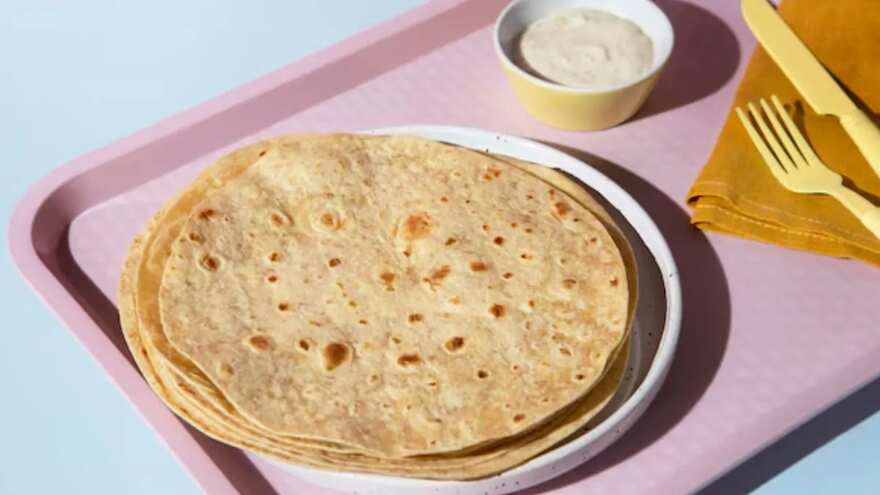
Since parathas are rolled a little thick, they survive better inside the OTG compared to roti, which are rolled thin. But even if they turn out crispy, which is not the texture you are looking for. A trick you can use with the Usha OTG is to semi-cook them on a stovetop. This trick is helpful if you are opting for meal preparation. You can save the semi-cooked paratha in the refrigerator and evenly brown it in the appliance when you are in the mood to cook it.
Lack Of Puffing
Puffing is important, especially when you are cooking roti. Therefore, a chapati is subjected directly to the flame, so it fluffs up, and it happens because of the quick formation of the steam inside the dough. Since OTG creates heat gradually, it prevents the steam from building up. If you set the appliance at a higher temperature, between 220°C and 250°C, the chances of your roti swelling increase.
Smoky Aroma
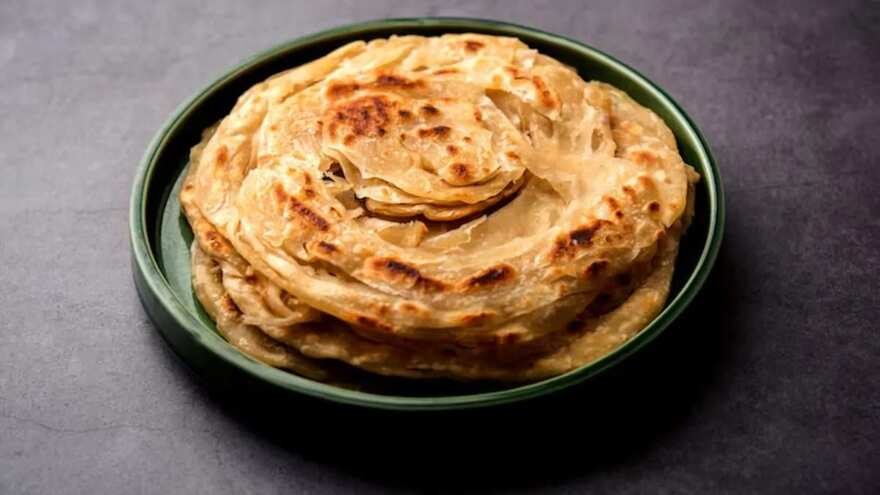
If you are missing the smoky aroma in OTG-baked roti or paratha, there is a way to fix it. Flatbreads turn out charred because of the direct heat they are subjected to. Once you have baked roti or paratha, quickly cook it on a tawa for the smoky aroma. You can also increase the temperature of the appliance, but make sure to keep the moisture intact.




