


 Share
Share

The arrival of monsoon season not only brings with it spells of rain, but also makes the kitchen smell in a different way, even if it appears to be clean. That little damp, earthy odour can come from a wet dishcloth tucked around the sink, moisture entrapped inside a cabinet or even that spice jar that was opened with wet hands. High humidity slows down the evaporation; hence the water that would normally evaporate quickly can stay on counters, floors, shelves and even the whichers, which you leave unnoticed.
The problem becomes more noticeable in kitchens that have limited ventilation. Steam from cooking, wet utensils and rain-wet clothes add even more dampness to the air. Organic remains around the sink, dust in the corners and food particles in the bins can add to musty smells. Wooden cabinets and absorbent surfaces can soak up moisture too, letting that musty smell hang around longer.
Simply spraying an air freshener may cover the odour for a few hours, but it does not fully tackle the moisture forcing it. During monsoon, keeping the kitchen fresh is less about making it smell floral and more about getting rid of entrapped dampness before it becomes a more significant problem.
Start With The Sink, Not The Air Freshener
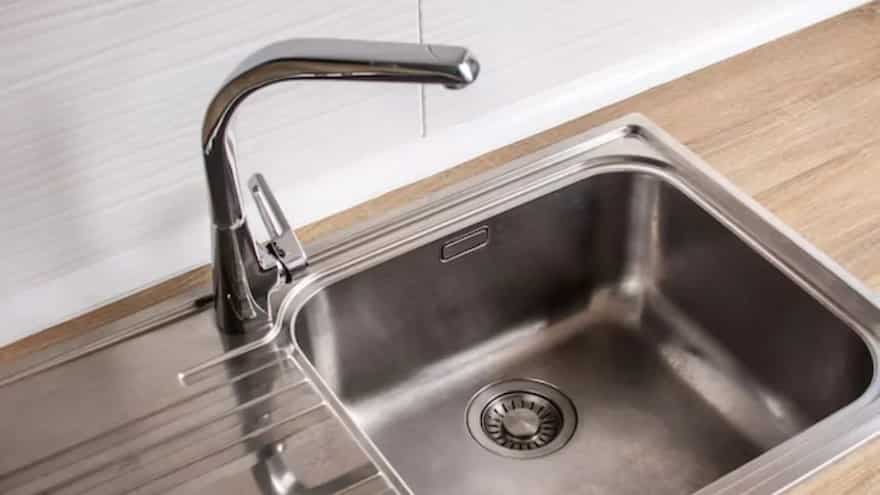
The sink area is often the biggest moisture area. Wipe the counter and sink dry after the dishes are washed rather than letting water sit around the edges. Clean the drain and then remove food particles that are stuck near the strainer.
For stubborn drain smells, flush the sink with hot water and then clean the strainer entirely. Avoid mixing different commercial cleaning products, especially products that have bleach and acidic cleaners.
(Image credit: Freepik)
Give Wet Dishcloths A Break
A wet kitchen towel tucked beside the sink is a place that can develop unpleasantness. During warmer temperatures, do not leave one cloth clustered up all day.
Rinse it thoroughly, squeeze it out, and in it at the place that has good airflow and sufficient sunlight. Keep separate materials for wiping dishes, counters and spills, and wash them continually. If a cloth has created a constant musty smell, cleaning it is better than often masking it with a smell.
Open Those Cabinets
Closed kitchen cabinets trap humidity, especially if wet utensils or just washed containers are set inside the cabinets. Once a day, open the cabinet doors and let air circulate. Check the corners beneath shelves for trapped moisture and wipe them thoroughly dry. Pay particular attention to the wooden shelves, which retain more moisture than smooth bases.
Don't overcrowd the cabinets as well. A little breathing space is needed between containers to let air move around them.
Check Your Spice Jars
Monsoon humidity can change the pantry as well. Salt, spice powders and other dry ingredients can soak up moisture and begin to clump.
Always use thoroughly dry spoons whenever using the spices. If a container has turned moist within, transfer the contents to a clean, dry jar instead of just closing the same box again.
Keep often used spices away from the stove, as steam rises from the stove and then turns them damp. A shelf that is above the cooking area may appear to be suitable, but it is also exposed to repeated heat as well as moisture.

(Image credit: Freepik)
Don't Let The Bin Become The Source Of Smell
Food scraps can smell much stronger in a warm, humid climate. Empty the kitchen bin more often rather than waiting until it is full.
Wash and dry the bin regularly, including the bottom of the lid. If liquid from food waste has leaked within, cleaning only the visible surface cannot solve the smell alone. A dry bin is far less likely to turn into another source of remaining odour.
Dry Wet Ingredients And Utensils Thoroughly
Putting damp containers directly into a closed cupboard is another monsoon mistake. After washing jars, bottles and utensils, let them air-dry thoroughly before keeping them.
Turn containers upside down only where air can spread underneath instead of trapping water on a flat surface. This small help habit can control moisture from building up within cupboards.
Let The Kitchen Breathe
If your kitchen has an exhaust fan, switch it on while cooking and even for some time later. Open windows or doors when weather conditions permit, particularly after boiling, frying or steaming the food.
If the kitchen remains moist despite the regular ventilation, a dehumidifier or moisture-control solution should be considered, especially in enclosed spaces.
Don't Ignore A Smell That Keeps Coming Back
If you have cleaned the sink, washed the kitchen clothes, dried the cabinets thoroughly and improved ventilation but that musty smell still stays, look beyond the evidence.
Check beneath the sink for leaks, around the pipes, behind appliances and within rarely opened cabinets. Constant damp smells can sometimes point to hidden moisture or mould in place of the ordinary kitchen odour.
The best monsoon kitchen hack is thus not a distinct fragrance or ingredient. It is a simple way: dry what gets wet, ventilate what gets moist and clean what has food residue.
Once those three things come to be part of the everyday kitchen rhythm, the monsoon fragrance has far less chance of settling in.




