Share


Most bottles of tonic in Indian homes have one job, and it ends at the bar trolley. That's a waste. Tonic water is basically carbonated water with quinine bitterness, a little citrus and some sugar, and each of those is useful in the kitchen. And as we all know, opening a can of tonic usually means you have some left over, but if you're feeling resourceful, there are many interesting opportunties you've probably overlooked.
First, a little history. Tonic has deep Indian roots. By the 1840s, British colonials in India were consuming around 700 tons of cinchona bark a year, because its quinine could treat and prevent malaria. The bark was intensely bitter, so it was mixed with soda and sugar to make it easier to drink. The first commercial tonic water was patented in 1858 by Erasmus Bond of Pitt & Co. in London.
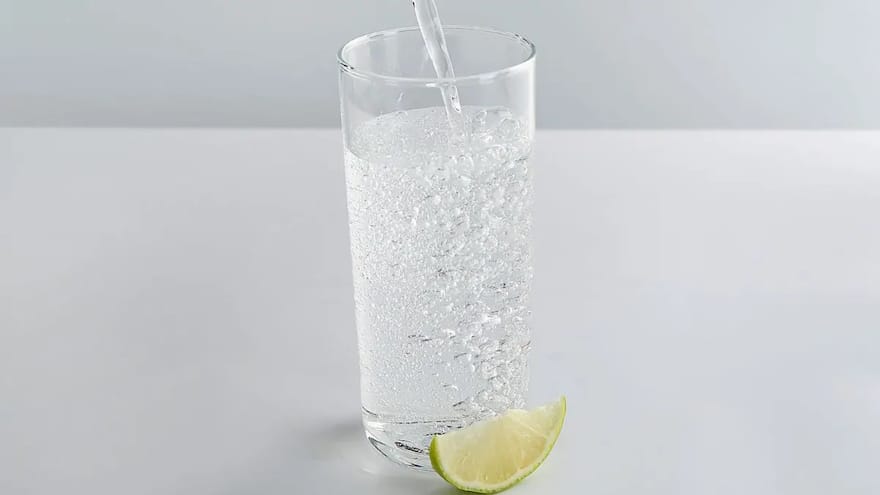
Modern tonic has only a trace of that medicine. The US FDA caps quinine in tonic at 83 parts per million, and Europe at 100 mg per litre. That's a tiny fraction of the historical medicinal dose. It's enough for flavour and nothing more. It's also enough for a great party trick: quinine fluoresces under ultraviolet light, so a glass of tonic glows blue under a black light.
One thing to remember: regular tonic is not a sugar-free mixer. It often contains as much sugar as a regular soft drink, which matters more in the kitchen because it qualifies it to be a perfect vehicle for caramelisation.
1. Tonic Tempura and Batters
This is the best reason to keep tonic in the fridge. Carbonated liquids make lighter, crispier batters. In trials, club soda and seltzer gave a crisp, light tempura crust, while flat mineral water made a thin, soggy one. Its testers concluded that carbonation and pH are the biggest factors in a good batter-fried crust. Tonic adds a faint bitterness and citrus note too, which is lovely on prawns and onion pakoras.
How: Whisk 100 g maida, 50 g cornflour and a pinch of salt with about 180 ml ice-cold Tanqueray Classic Tonic Water. Mix it just before frying and don't overmix; lumps are fine. Fry at 180°C. Keep the batter bowl sitting in a larger bowl of ice. Because tonic has sugar, the batter browns a little faster than one made with soda water, so watch the colour.
2. Peach Tonic Granita
The easiest dessert you'll make this holiday season. Pour 500 ml Tanqueray Peach Tonic Water into a shallow steel tray. Add the juice of one lemon and a few torn mint leaves, and freeze. Every 30 to 40 minutes, scrape it with a fork until it turns into light, crystalline flakes, which takes about three hours. Serve it in chilled glasses after a heavy Christmas lunch. The bubbles disappear as it freezes, but the bitter-fruity flavour stays and works brilliantly as a palate cleanser.
3. Quick-pickled Onions
Thinly slice two red onions. Bring 100 ml Tanqueray Classic Tonic Water, 100 ml white vinegar, a teaspoon of salt and a few peppercorns to a simmer, then pour it over the onions. Add a squeeze of lime once it cools. They're ready in an hour and keep for a week in the fridge. The tonic's sugar replaces the usual spoonful you'd add, and the quinine gives a faint bitterness that's brilliant next to kebabs and biryani.
4. Tonic Glaze Roasted Vegetables
Reduce 300 ml tonic with a tablespoon of honey, a knob of butter and a pinch of chilli flakes until it's syrupy, which takes about 10 minutes on medium heat. Toss it through roast carrots, sweet potatoes or baby onions for the last five minutes in the oven. The sugar caramelises and the bitterness keeps it from tasting like candy.
5. Tonic-poached pear
Pears are in season in winter and make a dessert Christmas dessert than another slab of cake. Peel four firm pears and simmer them in a mix of 500 ml Tanqueray Classic Tonic Water, 250 ml water, a cinnamon stick, two star anise and a strip of orange peel for 20 to 25 minutes, until a knife slides in easily. Remove the pears, then reduce the liquid to a syrup. Serve with a spoonful of thick hung curd or vanilla ice cream.
6. Espresso Tonic
This one is a drink, but a kitchen one. It became a café favourite after Koppi Roasters put "Kaffe & Tonic" on its menu in Helsingborg, Sweden, in 2007. Fill a glass with ice and 150 ml tonic, then slowly pour a shot of espresso over the top so it sits in a layer. Light, fruity coffees work best. It's a good choice for the 4 pm slump on Boxing Day.
Tips To Cook Better With Tonic
- Don't boil tonic for long if you want the fizz. Heat drives out carbonation fast. For batters, the tonic must be ice-cold and freshly opened. For glazes and poaching, the fizz doesn't matter, so go ahead and simmer.
- Don't swap tonic for soda water one-for-one in sweet bakes. The added sugar and bitterness will throw off a delicate recipe.
- Don't leave an opened bottle in the door. Once opened, tonic loses its bubbles within a day. Cap it tightly and use it the next morning for pickles or a glaze.