


 Share
Share

The Gir Kesar mango is far more than just a fruit; it is a monumental cultural icon that defines the summer experience in India. Grown primarily in the pristine, sheltered foothills surrounding the Gir forests of Gujarat, this variety is celebrated for its vibrant, rich saffron colour, an intense floral aroma, and an unparalleled sweetness that lingers on the palate. While the vast Indian landscape offers hundreds of different mango varieties, the Kesar stands remarkably apart due to the highly specific, sheltered microclimate found only within the Junagadh and Amreli districts. The name Kesar is not incidental, as it translates directly to saffron, a name inspired by the unmistakable, deep golden-orange hue of its flesh. This colour is a direct result of the specific sunlight exposure and soil nutrients unique to the Gir region, which work in harmony to produce fruit that looks as radiant as it tastes.
Why Gir Kesar Is Special
The exceptional, world-class quality of the Gir Kesar is a direct product of its unique terroir, which cannot be perfectly replicated anywhere else. The soil in the Gir region is exceptionally rich in essential minerals, and the close proximity to the sprawling Gir National Park provides a stable, humid atmosphere that significantly influences the slow, steady development of the fruit. Local farmers have dedicated generations to perfecting the delicate art of Kesar cultivation, mastering techniques like precise pruning and organic nutrient application. These mangoes are widely renowned for their signature fiberless, buttery texture that melts effortlessly, combined with a sophisticated flavour profile that offers a harmonious marriage of sweetness and a refreshing, citrusy acidity. Unlike many other commercial varieties that may rely heavily on simple sugar content, the Kesar possesses a layered, complex depth that makes it the premier choice for both direct consumption and professional pastry arts.
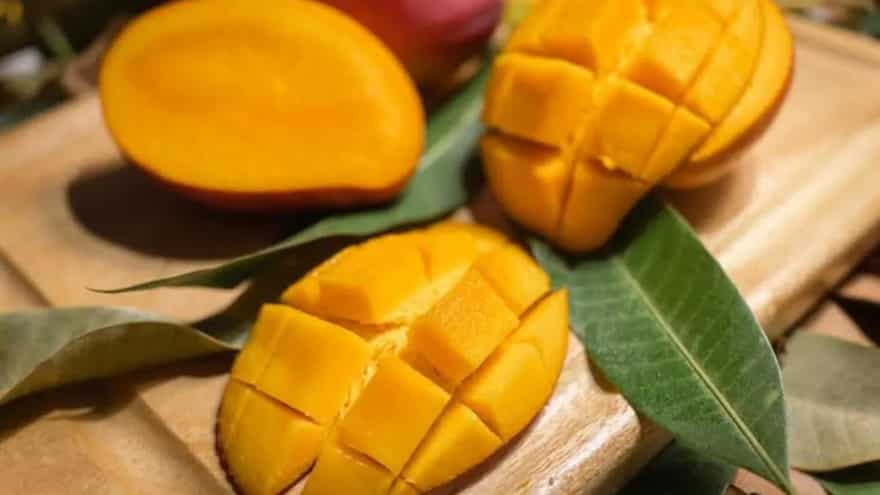
Image credit: Pexels
The GI Tag Advantage
In 2011, the Gir Kesar mango achieved a major milestone by receiving the prestigious Geographical Indication (GI) tag, a status that elevates it to the ranks of the world's most protected regional products. This certification acts as a rigorous protective shield, ensuring that only mangoes grown, harvested, and processed within the strictly defined geographical boundaries of the Gir region can be legitimately marketed under the name Gir Kesar. The GI tag is critically essential for maintaining brand integrity and protecting the traditional livelihoods of the local farming communities who have nurtured this crop for decades. It provides a vital legal mechanism to prevent unscrupulous traders from mislabeling inferior or cross-bred mangoes as Kesar, thereby guaranteeing that consumers receive an authentic, high-quality product that meets the exacting standards of the region. For the global export market, this tag serves as an undeniable mark of authenticity, quality, and heritage.
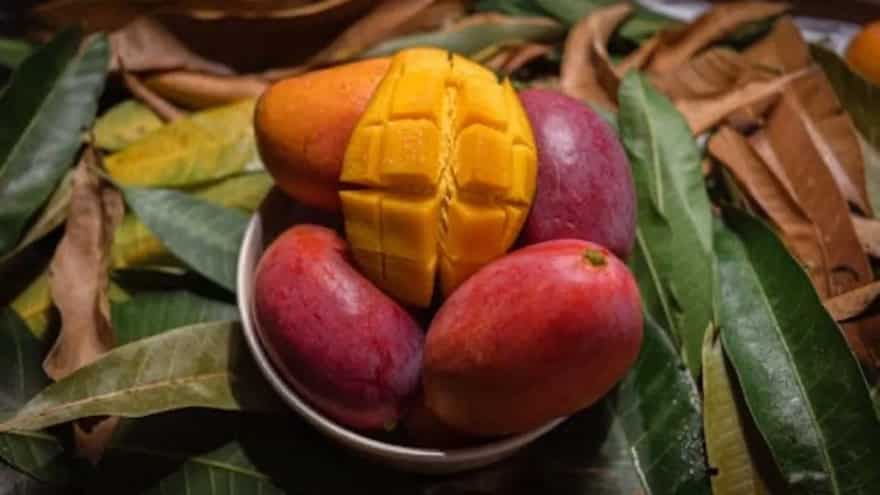
Image credit: Pexels
The Ritual Of The Gir Kesar Auction
The journey of the Gir Kesar from the quiet, lush orchards to the bustling national market is centred entirely around the APMC (Agricultural Produce Market Committee) auctions held in Talala, which is deservedly known as the mango capital of the region. As the harvest season commences in late April, the Talala yard undergoes a dramatic transformation into a high-energy, vibrant centre of commerce. The auction process is a masterclass in transparency and traditional economic discipline. Farmers arrive at the crack of dawn with truckloads of crates, their produce often harvested at the precise mature-green stage to ensure the fruit ripens perfectly during transit. The proceedings usually begin with a traditional prayer or pooja to honour the land and seek a prosperous season. Licensed wholesalers, exporters, and retail traders gather in the yard to conduct physical inspections of the fruit quality, size, and uniformity. The bidding is fast-paced and intensely competitive, with prices fluctuating based on real-time supply volumes and the specific demands of the day. This auction system is the lifeblood of the local economy, ensuring that small-scale farmers receive competitive, fair market pricing while providing the logistics network necessary to rush this highly perishable fruit to markets across the country while it remains in its prime state.
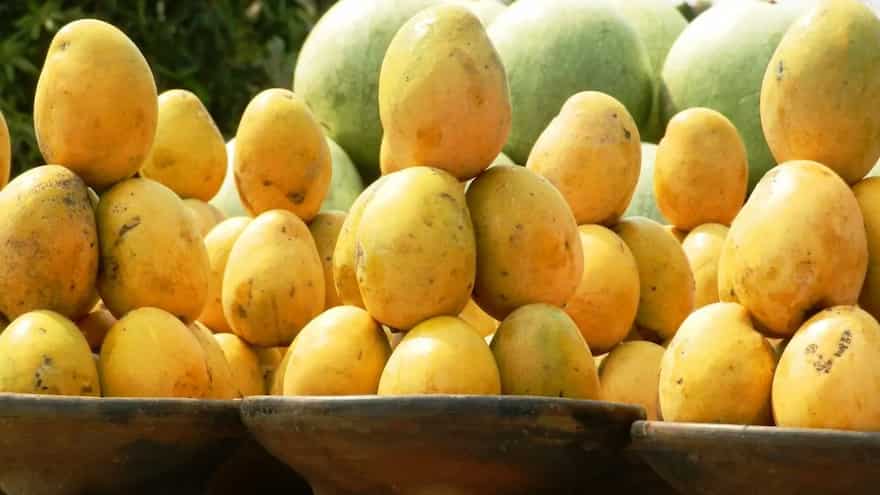
Image credit: Pexels
Culinary Appreciations
The Gir Kesar is a versatile culinary powerhouse, often referred to as the chef's favourite for its consistent performance and luxurious mouthfeel. Its firm, yet velvety, fibreless flesh makes it an ideal candidate for a wide range of gastronomic applications, from traditional sweets to modern, innovative fusion dishes.
Traditional Aamras
Aamras is the soul of a Gujarati summer meal. To prepare this, select fully ripened Kesar mangoes and extract the pulp by hand, a traditional method that ensures the natural essence is preserved. The pulp should be blended or whisked until it reaches a smooth, consistent, and thick texture. Season with a tiny pinch of freshly ground cardamom powder and a dash of saffron-infused milk to amplify the floral notes of the fruit. This golden nectar is traditionally served chilled in a small bowl alongside hot, crispy, fresh-fried puris, creating a divine contrast of temperatures and textures.
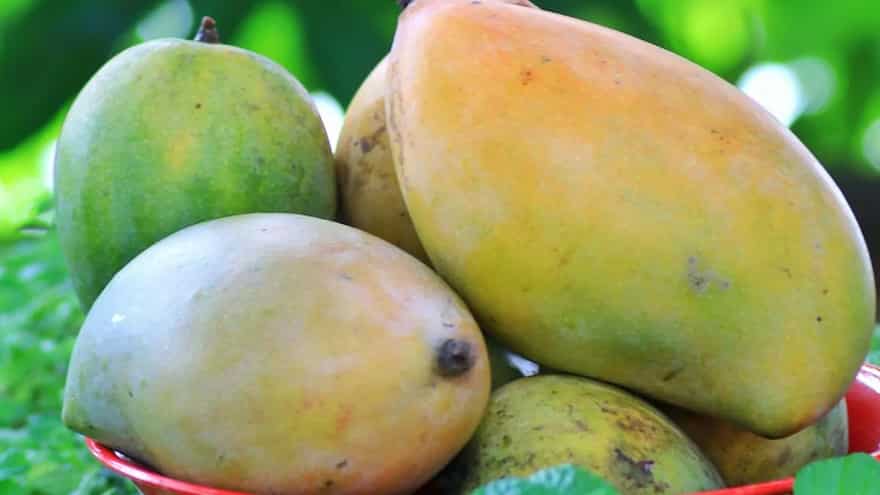
Image credit: Pexels
Refreshing Kesar Mango Lassi
To elevate the humble yoghurt drink into a gourmet experience, blend one cup of chilled, fresh Kesar pulp with half a cup of thick, full-fat yoghurt and a small splash of cold cream or milk. Add a subtle touch of honey or artisanal jaggery for depth, and a tiny pinch of Himalayan rock salt to sharpen the sweetness. Pour into a tall glass and garnish generously with slivered toasted pistachios and dried edible rose petals. The result is an incredibly creamy, aromatic, and deeply satisfying drink that captures the concentrated essence of the summer harvest.
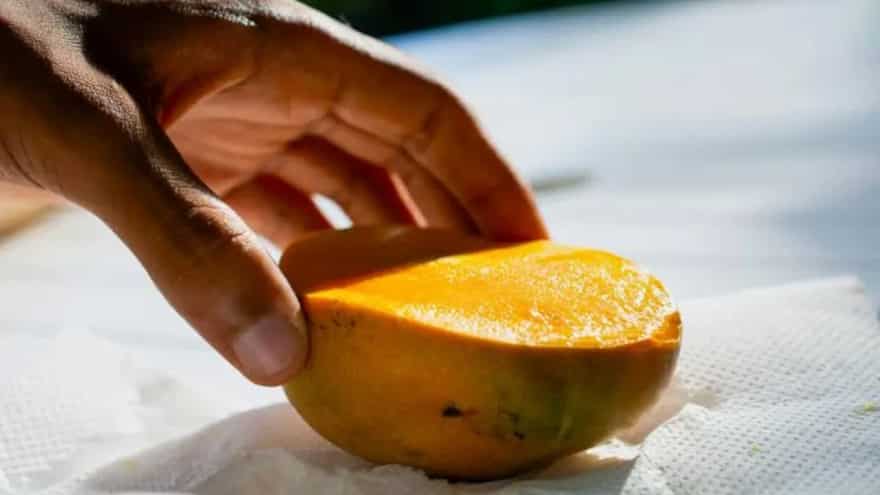
Image credit: Pexels
Savoury Mango Salsa
For a sophisticated, modern twist, pair the intense sweetness of the Kesar with a bold, savoury profile. Finely dice two firm-ripe Kesar mangoes and toss them in a bowl with finely minced red onion, fresh green chillies, chopped coriander leaves, and a generous squeeze of fresh lime juice. The natural acidity of the lime cuts through the sweetness of the fruit, while the chilli provides a necessary kick. This vibrant salsa is the perfect accompaniment to grilled white fish, pan-seared chicken, or served alongside spiced papadums, showcasing the incredible versatility of the fruit beyond desserts.
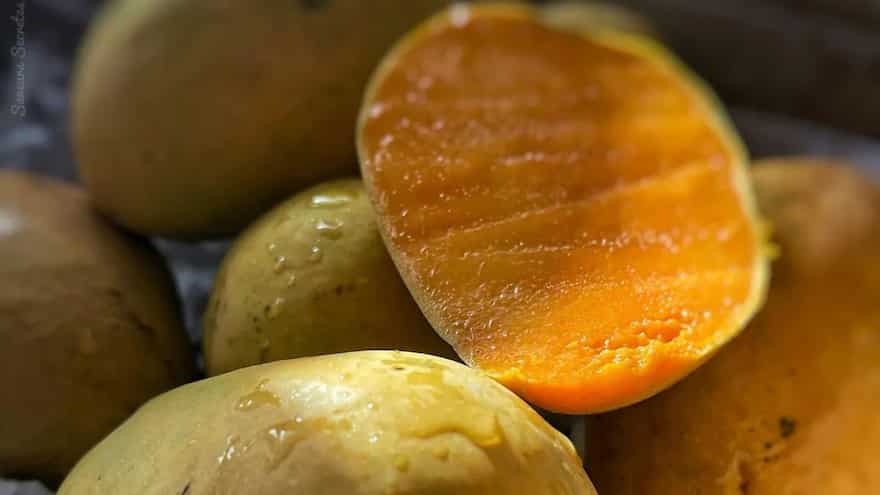
Image credit: Pexels
Kesar Mango Khatta Meetha Muthiya
A truly authentic Gujarati preparation involves using raw or semi-ripe Kesar mangoes in a savoury dish known as Muthiya. These are steamed dumplings made from gram flour, bottle gourd, and grated semi-ripe Kesar mangoes, which provide a unique sweet and sour tang. After steaming, they are tempered with mustard seeds, sesame seeds, and curry leaves. The addition of the Kesar creates a beautiful balance of flavours that defines Gujarati home cooking, proving that this fruit is as effective in savoury afternoon snacks as it is in sweet desserts.
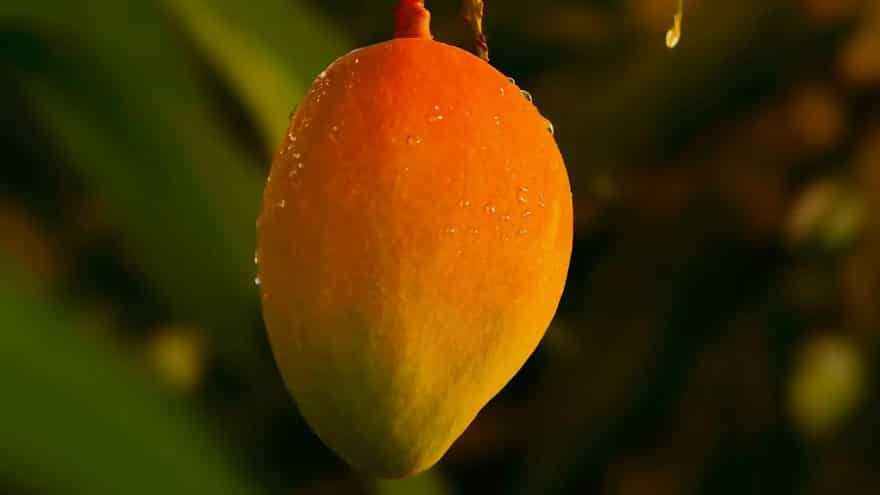
Image credit: Pexels
Sustainability And Future
As the global climate undergoes significant shifts, the future of the Gir Kesar relies heavily on the resilience and foresight of its farming communities. Farmers in the region are increasingly adopting advanced, sustainable agricultural practices, including precision drip irrigation, rainwater harvesting, and integrated pest management systems that reduce reliance on synthetic chemicals. The preservation of the local forest ecosystem and the biodiversity of the Gir region is directly linked to the health and productivity of the mango orchards. By prioritising the purchase of authentic, GI-tagged Gir Kesar, consumers are doing far more than just enjoying a premium fruit; they are directly participating in a cycle of sustainable agriculture. This support ensures that the delicate balance of the region is respected, the ancient orchards remain productive for future generations, and the cultural heritage associated with this exceptional fruit continues to thrive in an ever-changing world.




