


 Share
Share

There was a time when ordering Thai or Vietnamese food in India felt like an adventurous journey. You would scan the menu, recognise perhaps a green curry or spring roll, and then wonder what exactly nam prik, pho or banh mi might taste like. But feel too intimidated to order something that may lie outside your comfort zone. But that hesitation is slowly disappearing.
Across India's metropolitan food scene, Thai and Vietnamese dishes are becoming increasingly common sights at restaurants, cafes, and house parties. Thai green curry, pad thai, and tom yum have long enjoyed a loyal following, but now diners are exploring dishes such as som tam, larb, Thai basil chicken, massaman curry, and mango sticky rice, among others.
Meanwhile, Vietnamese food is stepping out of the shadow of generic ‘Asian cuisine’, with pho, banh mi, fresh rice paper rolls, bun cha and Vietnamese coffee attracting curious diners with their refreshing and intriguing flavours. And perhaps the most fascinating part is how quickly these cuisines feel familiar to the desi palate, without being too drastic a change.
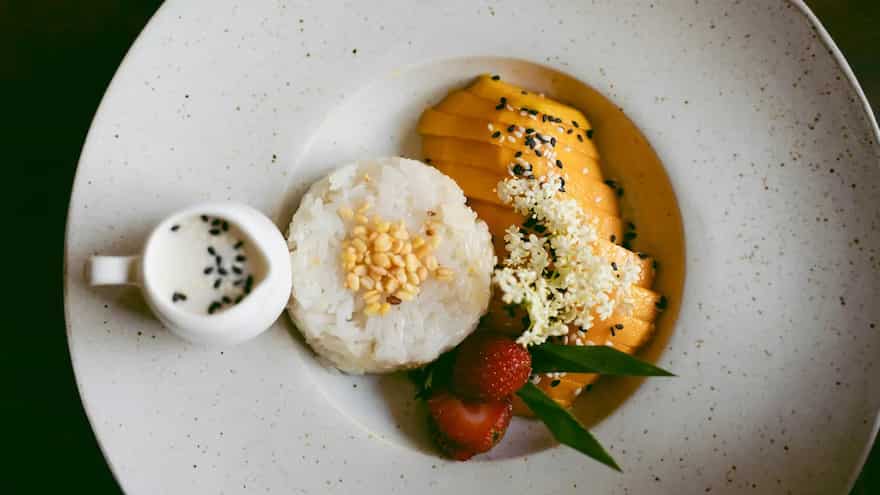
Image credit: Unsplash
The reason is not that Thai or Vietnamese food tastes like Indian food. It absolutely does not. Their culinary identities are very distinct. But the pleasure points overlap: chilli, citrus, herbs, coconut, fermented flavours, pickles, along with rice, noodles and the mouthwatering contrast between something rich and something sharply refreshing.
Why Thai And Vietnamese Food Is Finding An Audience In India
Indian diners are no longer approaching international cuisines with the same apprehension they once did. International travel, social media, food delivery platforms, and the growing cafe and restaurant culture in the ultra-urban cities have made global food considerably more accessible to all. What was once an occasional restaurant experiment has now become a weekend craving or something that people attempt in their own kitchens for date night.
The growth of Vietnamese food in India reflects this shift particularly well. Indian food publications have noted its expanding presence in restaurants, while dishes such as pho, banh mi, rice paper rolls and Vietnamese-inspired bowls have become increasingly recognisable to urban diners. Thai food, of course, has had a head start in this case.
For years, Thai green curry, red curry, pad thai, and tom yum have occupied a comfortable space on Indian restaurant menus. Yet, Thai cuisine is now finally being explored beyond its greatest hits. Epicureans are becoming more curious about Thai cuisine, the influence of desi regional cooking on it, along with Thai salads, grilled meats, and noodle dishes, among others.
And Indian palates are more than well-equipped for this culinary adventure.
Thai Cuisine Had The Head Start
Thai cuisine has been part of India's urban dining culture for years. But the newer interest is more adventurous.
For example, consider Tom Yum. Its hot-and-sour persona immediately resonates among Indian diners who enjoy tamarind rasam, citrusy dals or spicy soups. The combination of chilli, lime and aromatic herbs gives it a punchy character, while prawns, chicken or mushrooms add umami substance to the dish.
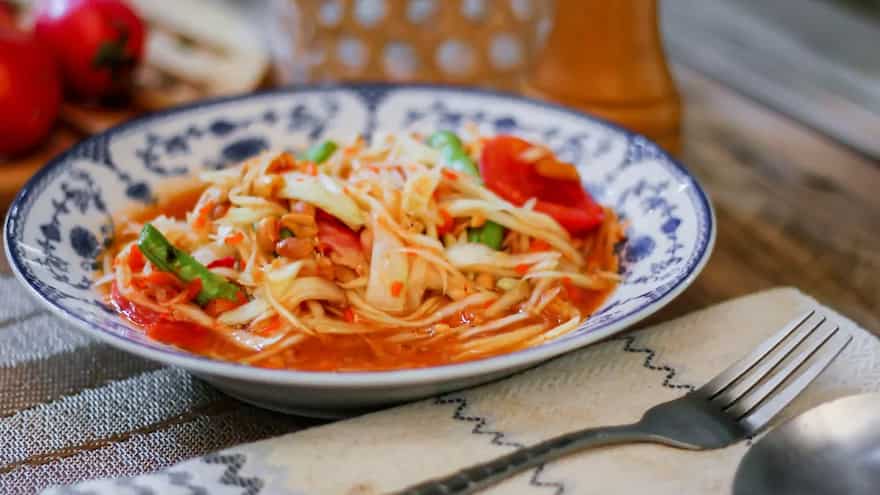
Image credit: Unsplash
Then there is som tam, the world-famous green papaya salad. Crunchy shredded papaya is tossed with chilli, lime, peanuts, and a savoury dressing, creating a dish that is simultaneously spicy, sour, salty, yet fresh. The salad may be Thai, but its fondness for heat, crunch, acidity, and peanuts is hardly alien to an Indian food lover who constantly reaches for Maharastrian thecha.
Or, take pad kra pow, for instance. Usually made with minced meat that has been stir-fried with Thai holy basil, chilli, and garlic before being served with rice and a fried egg, is another such dish. It is easy to make, fragrant, savoury, and unapologetically bold in taste.
The strongest connection between Indian and Thai food may be their sincere love for balance. Indian cooking has countless traditional and creative ways of bringing together heat, sourness, sweetness, salt, and bitterness. And Thai cuisine is particularly celebrated for a similar balancing act in gastronomy.
Thai cuisine's use of coconut is another reason for Indian diners to be inclined towards it. For example, take a bowl of Thai green curry. It is creamy, fragrant, and deeply aromatic, with coconut milk softening the heat of chillies and prominently carrying the flavours from lemongrass, galangal, and makrut lime leaves.
For someone raised on Indian coastal cooking, coconut-based gravies are hardly unfamiliar. Bengal uses coconuts in a number of delicacies. Kerala has its coconut-rich curries. Goa uses coconut in several preparations. To put it in a nutshell, the entire South Indian cuisine has a vast repertoire of coconut chutneys, gravies and curry dishes. Thai green curry is certainly not an Indian curry, but the creamy, aromatic comfort of coconut provides an immediate note of nostalgia and familiarity.
Vietnamese Food Is Bringing A Different Kind Of Excitement
If Thai food feels familiar because of its boldness, Vietnamese food is winning diners over through its freshness.
The ideal Vietnamese dish to introduce any child or adult to is pho. The noodle soup combines a deeply aromatic broth with fresh rice noodles, meat and a generous collection of freshly-picked herbs and other accompaniments. For Indian diners, the format itself is comforting. Almost every Indian is familiar with the simple yet comforting pleasure of a steaming bowl of broth, rice and aromatics. What changes is the flavour architecture and presentation.
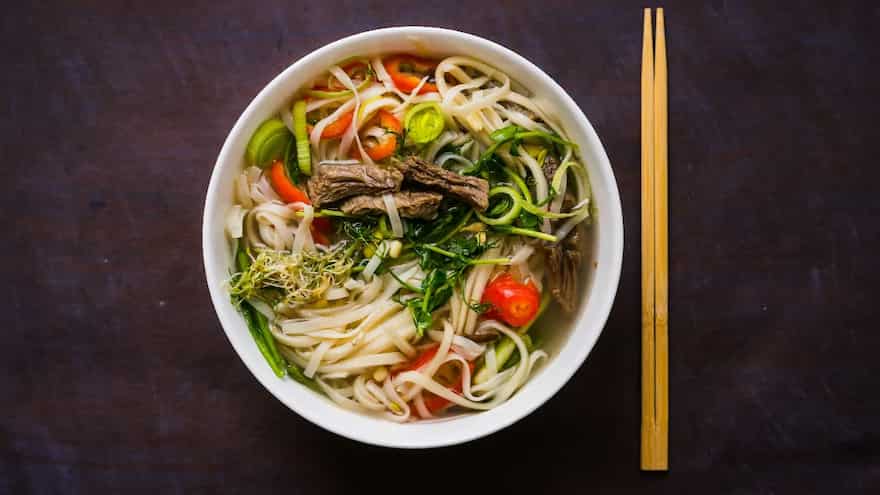
Image credit: Unsplash
Instead of relying on the heavy spice blends associated with many Indian gravies, pho builds complexity through ingredients such as star anise, cinnamon, ginger, onion and herbs. And then comes the fun part: the accompaniments- fresh herbs, lime, and chilli allow diners to adjust the bowl according to their own spice preference, turning it into a fun diy activity. It is interactive, warming and deeply satisfying without feeling heavy.
Then there is banh mi, Vietnam's iconic filled baguette, a sandwich of sorts. At first glance, it might appear to have little connection to Indian street food. But take a closer look at what makes it enjoyable: crisp bread, a savoury filling, pickled vegetables, fresh coriander, chilli and various contrasting textures. The combination makes immediate sense.
Indian cuisine has an enormous affection for stuffed breads, chutneys, pickles and spicy fillings. From keema- stuffed kulchas to rich Kashmiri flatbreads, Indians instinctively understand why a rich filling and soft, pillowy bread needs something sharp and crunchy alongside it.
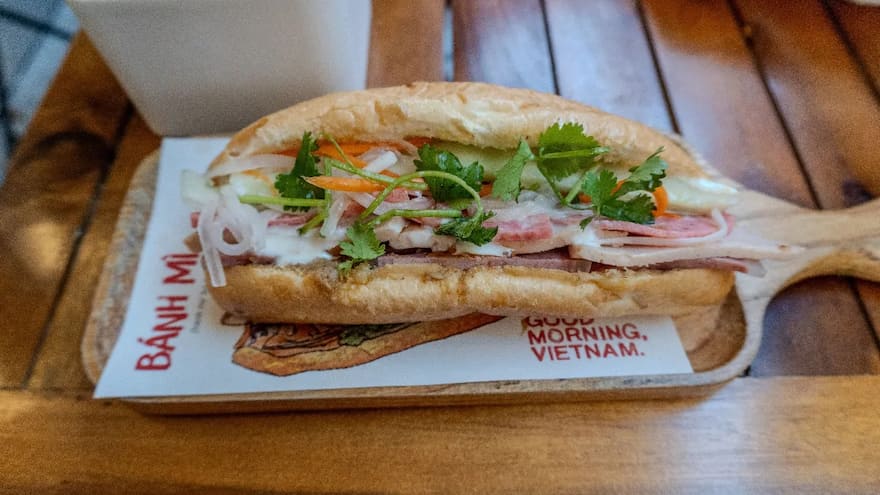
Image credit: Pexels
Meanwhile, Vietnamese fresh rice paper rolls are another dish appealing more and more to Indian diners. Often filled with vegetables, herbs, noodles, and prawns or other proteins, they look delicate, colourful and almost too pretty to eat, but their real charm lies in texture.
Soft rice paper gives way to crunchy vegetables, fresh herbs, noodles, and proteins that are then dipped in a mouthwatering dipping sauce. For Indian food lovers used to the interplay of papdi, sev, chutney, yoghurt, certain fruits and vegetables in chaat, this idea of contrasting textures within one bite is hardly revolutionary. It simply arrives in a different, overseas wrapper.




