


 Share
Share

Karela, or bitter gourd, is one of those vegetables that you either love or avoid totally; there is no in between. While it is often glorified for its nutritional value and has long been a part of traditional Indian cooking, many people do not like it because of its intense bitterness. As a result, karela is often left out of meal plans, despite being popular in regional cuisines across the country.
Why Is Karela Bitter?
Karela gets its distinctive bitterness from natural compounds called momordicin and cucurbitacins, which are in the fruit's flesh and the skin. These compounds act as a natural defence mechanism for the vegetable. They are also accountable for many of the nutritional and health benefits that make karela a loved ingredient.
The good news is that making karela satisfying does not mean masking it entirely, soaking it in spices. Over generations, many home cooks have found simple ingredient pairings that soften the bitterness while maintaining the vegetable's unique character. These ingredients work by balancing tastes rather than overpowering them.
Whether it is a hint of jaggery, a squeeze of something tangy, or the taste of caramelised onions, the correct combination can change karela from a dreaded vegetable to something extremely delicious. Here are some pairings that actually work and make bitter gourd a bit better.
Karela And Jaggery: The Classic Sweet-Bitter Balance
One of the oldest tricks in Indian kitchens is pairing karela with a small amount of jaggery or gud. The natural sweetness not only eliminates the bitterness but rounds off its sharp edges, making a more balanced taste. This combination is particularly famous in Gujarati cooking, where sweet, sour, and bitter flavours often coexist in the same pan. A small amount is enough; the goal is not to make the vegetable too sweet but just enough to eliminate the bitterness. When cooked together, jaggery helps in making karela more approachable, even for those who avoid it.
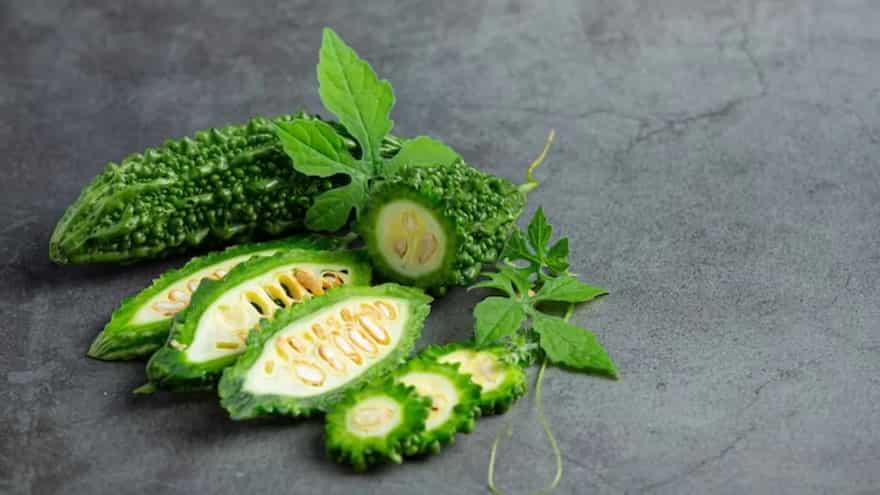
(Image credit: Freepik)
Karela And Amchur: Tanginess That Changes Everything
Dry mango powder, or amchur, is another element that works wonders with karela. Its tangy flavour delights the palate from bitterness while giving a pleasant sharpness to the dish. Amchur is especially useful in stir-fries and stuffed karela recipes, where its acidity brightens the overall flavour. Unlike lemon juice, which is often added only at the end, amchur mixes seamlessly when it is cooked. The result is a dish that tastes lively and full of flavour rather than being too bitter. It is an easy pantry ingredient that can totally change the overall eating experience.
Karela And Caramelised Onions: A Match Made In The Pan
Slow-cooked onions make a natural sweetness as they get caramelised, making them one of the best buddies for karela. The deep, rich flavour of browned onions balances the bitterness without feeling forced or too artificial. This pairing is typical in many North Indian homes because it depends on ingredients that are readily available in the kitchen. The onions also add texture and body to the dish, making it more enjoyable. When cooked patiently, they make a flavour base that lets karela shine without overwhelming every bite with bitterness.
Karela And Tamarind: Sweet, Sour, and Complex
Tamarind or imli gives a gentle sourness that helps tame karela's bitterness while adding depth to the dish. In many regional recipes, tamarind is used to make a flavour profile that feels more layered rather than being one-dimensional. The acidity refreshes the palate and keeps the bitterness from staying too long. This pairing works particularly well in South Indian-inspired dishes and curries. The result is a dish having sweet, sour, bitter, and savoury notes all working together.
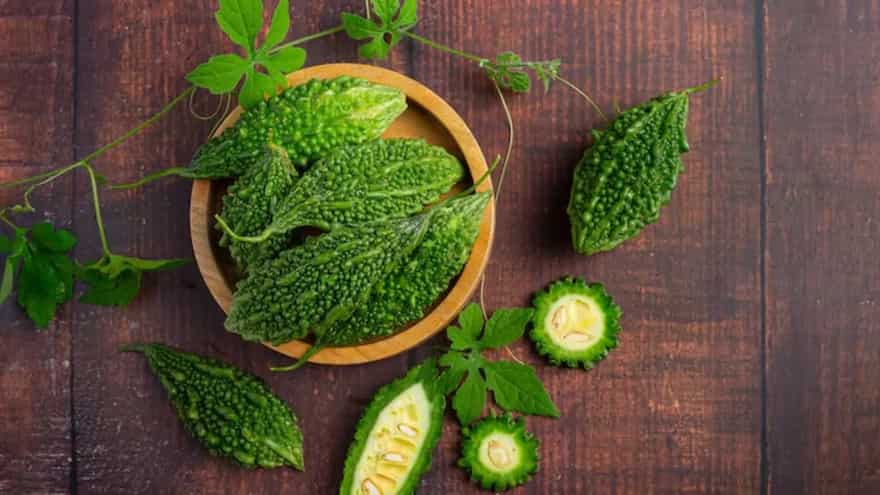
(Image credit: Freepik)
Karela And Peanuts: Crunch That Softens The Flavour
Peanuts may seem like an exceptional partner for karela, but they work surprisingly well. Their nutty richness and light sweetness contrast, while their crunch gives texture that makes the dish even more enjoyable to eat. This combination is often noticed in Maharashtrian-style preparations, where crushed peanuts are used to add both taste as well as substance. The peanuts do not hide the bitterness totally, but they make it feel less harsh.
How To Make Karela Less Bitter Before Cooking
Even before you begin to cook, a few simple kitchen tricks can remarkably reduce the bitterness of Karela. These tips do not remove its nutritional benefits but help in making the flavour a bit milder and also easy to enjoy.
1. Sprinkle a good amount of salt over the sliced karela and let it sit for about one to 2 hours. The salt pulls out some of the bitter juices, which can be squeezed out before cooking, removing a good amount of bitterness.
2. Boil karela slices in water for about 2 to 3 minutes and then drain. This quick blanching process can lessen some of the bitterness without making the vegetable too soft and mushy.
3. If the karela is big and hard, and you notice red-tinted seeds, remove them before cooking. Older seeds contribute more bitterness and a tougher texture.
4. Lightly scrape the rough outer ridges, as that can also reduce a significant amount of bitterness.
5. Thinly sliced karela cooks more evenly and lets seasonings cover the vegetable in a better manner, making the bitterness less pronounced in each bite.




