Share
Share

The story of Duliram goes back to the 1840s, when brothers Maharam and Duliram Sharma migrated and set up their sweet shop in Jambubet. At that time, the Gaekwad rulers were patrons of food and culture, and Duliram’s craft quickly drew their attention. Their Mathura pedas travelled to the royal courts, and eventually even to England, where Maharaja Sayajirao Gaekwad III carried them to Queen Victoria. Over the years, stories of elephants refusing to move until fed a peda and royal recognition shaped the shop’s place in the city’s collective memory.
The Old City Shop & The Festival Routes
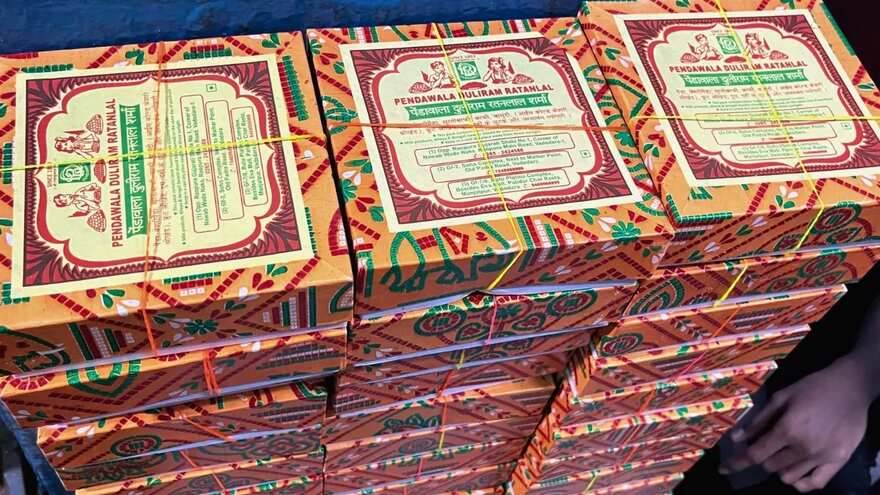
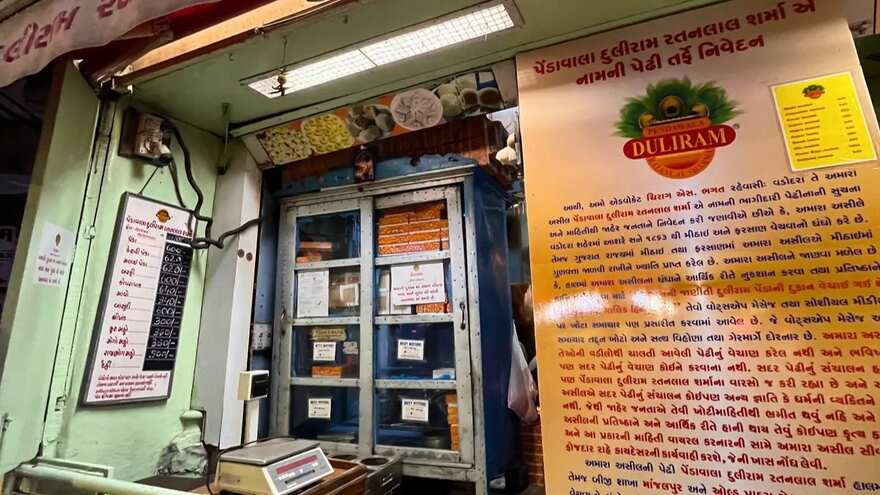
The original shop in Jambubet still stands today, and its placement in the old city has made it iconic. The narrow lanes of this area come alive during Ganesh Chaturthi, with pandals at every turn. For devotees visiting the pandals, Duliram becomes a natural stop. People pick up boxes and boxes of pedas to take along as prasad, and you often see them carrying the familiar cardboard packs straight to the mandaps. By mid-day, trays are already half empty, and the crowd spills onto the street. The atmosphere feels less like a shop and more like part of the festival itself.
The Mathura Peda At The Heart Of It
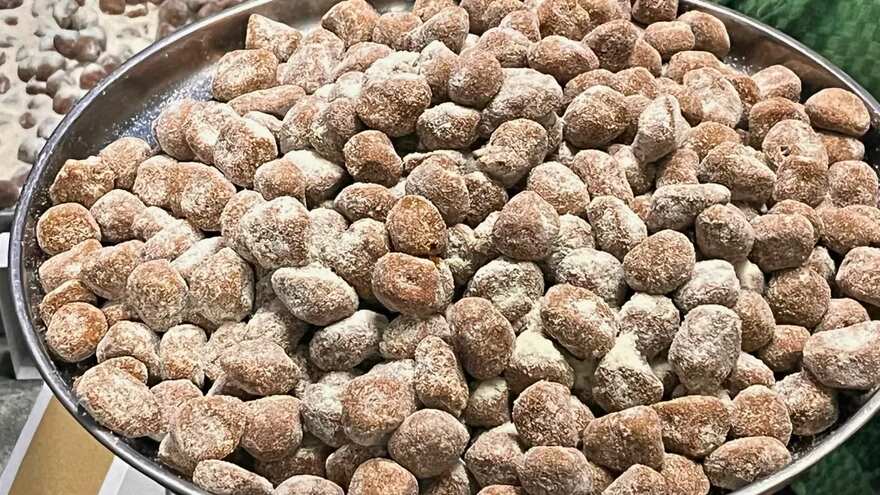
What has endured for 180 years is the Mathura peda. Made from patiently roasted mawa, blended with sugar and cardamom, and rolled in bhura, the peda has a rich taste and a slightly grainy texture that breaks easily but melts in the mouth. Every festival season, especially during Ganesh Chaturthi and Diwali, these pedas become a must-have for homes across the city. For me, Diwali begins only when someone opens a Duliram box at home and that familiar aroma fills the room. It has been the same in my family for as long as I can remember.
Expanding Across The City
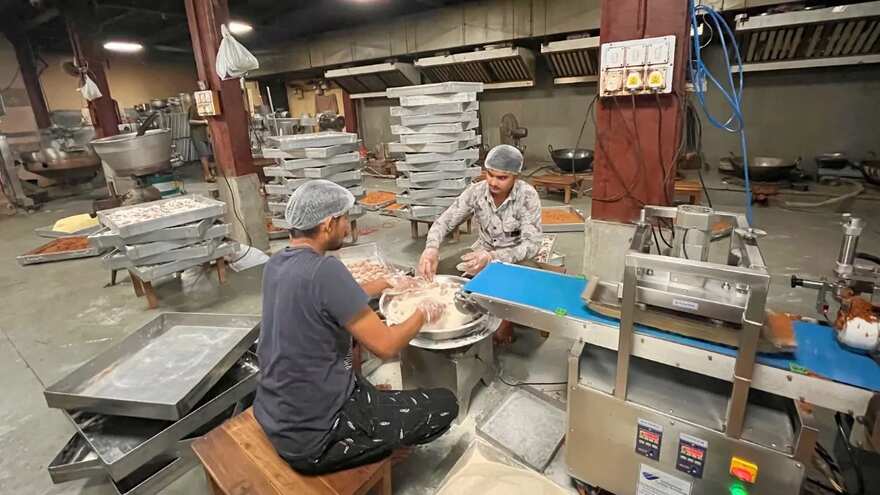
For much of its life, Duliram meant the old city store. In recent years, though, the family has opened two more outlets in Akota and Manjalpur, making it easier for newer neighbourhoods to access the sweets. Yet, no matter how many stores open, the old Jambubet shop remains the centre of it all. On festival days, the rush there is unlike anything else; but the ease of availability across food delivery apps has made life infinitely better.
Modaks & Festival Specials
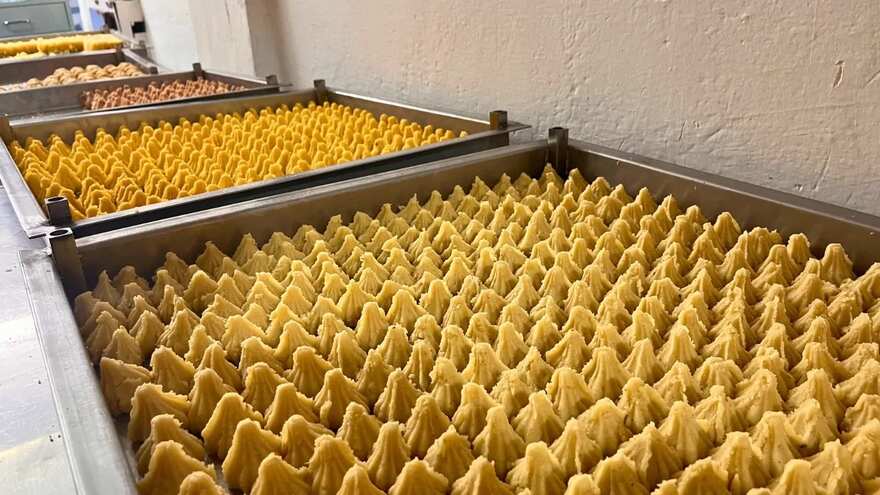
While the peda is the signature sweet, Ganesh Chaturthi has also made space for another tradition at Duliram. Alongside the pedas, the counters display trays of modaks in different varieties: mawa modak, dry fruit modak, and even chocolate modak. Families buy both, often keeping pedas for distribution and modaks for offering to Ganesha at home. During my visit on Ganesh Chaturthi, I saw lines of people carrying away packets of both, some straight to pandals and others home to their families.
A Sweet That Travels With People
Duliram has never stayed only within Baroda. For years, I’ve seen relatives who live abroad make it a point to carry boxes with them every time they visit. The pedas travel in flights, tucked carefully into luggage, so that when the box is opened thousands of miles away, it still feels like a piece of home. In my own family, whenever someone comes to visit, they are expected to bring Duliram pedas along. It has become as much a tradition as the festivals themselves.