Share


There's a particular kind of hungriness that is only seen in winter. It arrives in the dusk, just as the light starts to fade, and it rarely asks for fruit. It wants pakoras, a second cup of chai with a few biscuits, and the bowl of gajar ka halwa that somebody at home insists is "just a little." By the time dinner is served, most of us have eaten a small meal without quite noticing.
This seasonal appetite isn't imagined, and it isn't simply a lack of willpower either. There's some interesting science behind it, and knowing a little about it makes snacking well through the colder months far less of a struggle.
Why The Cold Months Feel Hungrier
Research on winter appetite is still evolving, but a handful of explanations come up again and again.
Shorter Days And A Flip In Mood
The body's production of serotonin, a brain chemical that helps manage appetite, mood and sleep, is closely associated with sunlight. With shorter, greyer days, many people notice their mood dipping a little, and along with it comes a stronger pull towards carbohydrate-rich comfort food like parathas, pasta and anything with potatoes in it.
The Body Working To Stay Warm
Keeping the body warm does take some extra energy, although experts point out that the amount is fairly modest. Digesting food also releases a little heat, which may be part of the reason a steaming bowl of dal-chawal feels far more satisfying on a cold night than a cold salad ever could.
An Old Survival Instinct
For our ancestors, winter was often the season when food was hardest to find. Some researchers believe the urge to eat a little more and hold on to energy is an old instinct that hasn't quite caught up with modern kitchens and delivery applications.
Long Evenings Indoors
Then there's the simple matter of routine. Winter means fewer walks, longer evenings at home and a kitchen that's never more than a few steps away, and snacking slowly turns into a way to pass the time.
Also Read: How Korea’s ‘Silk Of The Sea’ Became A Winter Delicacy
Smarter Snacks For Winter Evenings
The aim is to meet the cravings with something that cosies you up and keeps you full for longer. Happily, the Indian winter kitchen already has plenty of options along those lines.
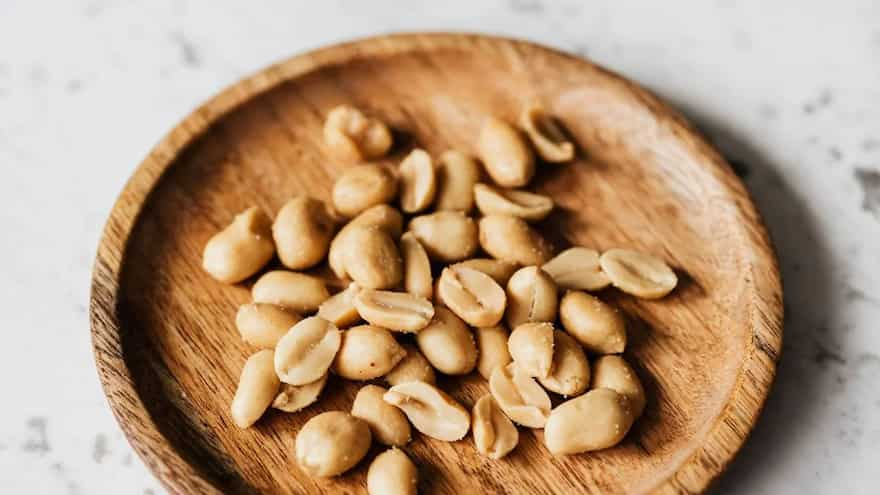
Roasted Chana And Peanuts
Source: Pexels
Warm them in a kadhai for a couple of minutes and add salt and chaat masala. They're crunchy, filling and just as satisfying with evening chai as a plate of namkeen.
Shakarkandi Chaat
Roasted sweet potato with a squeeze of lemon, some chaat masala and a few coriander leaves feels like a street-side treat, and it hits the spot when the sweet tooth starts acting up.
Roasted Makhana

Source: Pexels
A handful of makhana roasted in a teaspoon of ghee with black pepper makes a light snack that's easy to eat in portions.
A Bowl Of Soup Or Rasam
Sometimes the craving is really for warmth. A bowl of tomato rasam, a simple vegetable broth or palak soup can be just as comforting as anything fried.
Seasonal Fruit With Curd
Winter brings guavas, oranges and amla to the market. Pair them with a bowl of curd and some seeds for a snack that's fresh but still feels substantial.
Til And Gur, In Small Amounts
A small piece of til chikki or a gur ladoo after a meal is a time-honoured way of ending dinner in winter. It's still sugar, though, so one piece is plenty.
Making Peace With The Winter Appetite

Source: Pexels
Feeling hungrier in winter is nothing to feel guilty about. It's part of how the body and mind respond to darker days and colder evenings. The trick lies in giving that hunger something warm, wholesome and genuinely satisfying, with a little room left over for the occasional plate of pakoras on a foggy Sunday.