


 Share
Share

Miso is one of those ingredients that does a lot of work. A spoonful of it can change the depth of a broth, round off a sauce, or give it an unexpected savoury taste to something as simple as roasted vegetables. At its heart, miso is basically a fermented paste prepared from soybeans, salt, and a culture called koji, often mixed with rice or barley.
In Japanese cooking, miso is not used loudly. It builds layers in the backdrop, adding what is often defined as umami, a deep, savoury quality that remains rather than hits instantly. But not all miso tastes the same. The difference between white, red, and mixed miso is not just about the colour; it’s about fermentation time, salt levels, and also how intense you want your dish to feel.
Understanding these types is not just useful if you are cooking Japanese food. It opens up ways to use miso more intuitively, be it in marinades, dressings, or even Indian-style preparations, without overpowering the dish. Once you know how each variety acts, it becomes more effortless to pick the right one rather than using it as a one-note ingredient.
What Is Miso?
Miso is a fermented paste made by mixing soybeans with salt and koji, a mould culture grown on rice, barley, or soy. This mixture is left to ferment for a few weeks to several years. During this time, enzymes break down proteins and starches, making amino acids and sugars that give miso its classic savoury depth.
The result is a paste that can go from mild and a bit sweet to intensely salty and complex. It’s not just a seasoning, but it is a flavour base. Even a small amount of it can change the structure of a dish, giving body and richness without requiring heavy fats or long cooking.
White Miso (Shiro Miso): Light, Sweet And Versatile
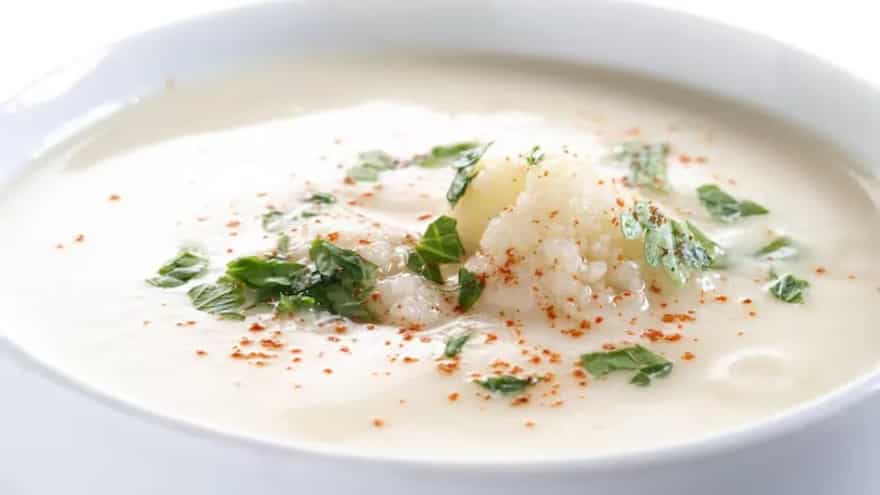
White miso is the most delicate introduction to this ingredient. It is fermented for a short time, generally a few weeks to a few months, and has a higher proportion of rice koji. This gives it a light colour and a noticeably gentler, slightly sweet taste.
White miso adds depth without overpowering the dish, which makes it perfect to use in lighter preparations. You will often find it in light miso soups, salad dressings, and simple marinades where you want a soft umami coating rather than intensity. It works extremely well with vegetables such as zucchini, mushrooms, and even paneer, where it improves natural flavours rather than masking them.
Because of its subtlety, white miso is also more comfortable to experiment with. It can be whisked into dips, blended into sauces, or even used in desserts such as miso caramel, where its sweetness and saltiness make a delectable contrast. If you are new to miso, this is the most compassionate and adaptable variety to begin with.
(Image credit: Freepik)
Red Miso (Aka Miso): Bold, Salty And Deeply Complex
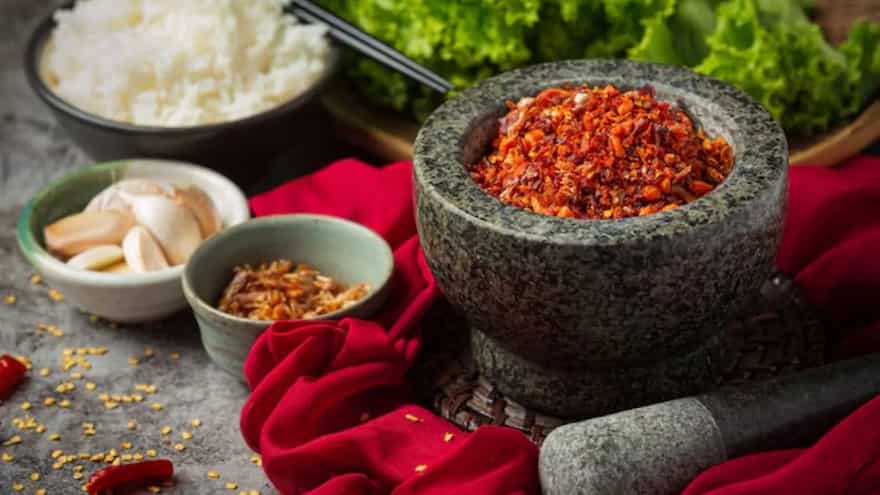
Red miso is on the opposite end of the range. It undergoes fermentation for a longer time, sometimes up to a year or more, and typically has more soybeans and salt. This extended method gives it a dark colour and a far more prominent, rich flavour.
The taste is sharper, saltier, and layered with a kind of intensity that builds as you eat. It is not something you use lightly. Red miso is best suited for use in dishes that can handle its strength, i.e. hearty soups, braised meats, rich gravies, and slow-cooked practices where its depth has room to develop.
In cooking, it acts almost like a condiment concentrate. A small amount of red miso can change a broth into something deeply enjoyable. It pairs well with ingredients that have their own personality, like mushrooms, eggplant, or meats, where the flavours can support each other.
For Indian kitchens, red miso can be surprisingly useful in rich dishes. It can be mixed into marinades for grilled vegetables or meats, or even stirred into lentil-based dishes in little quantities to add an extra layer of umami without making the dish feel too intense.
(Image credit: Freepik)
Mixed Miso (Awase Miso): Balanced And Everyday-Friendly
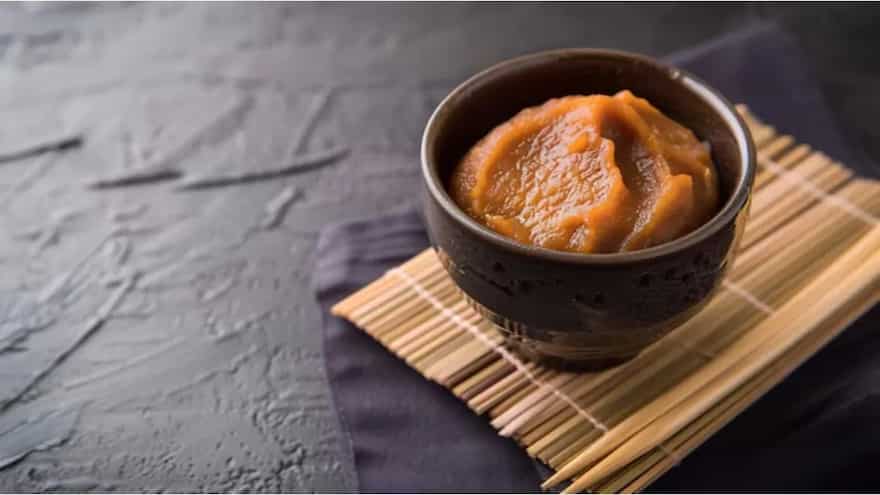
Mixed miso, often called awase miso, is a mix of white and red miso. It’s prepared to bring together the best of both, i.e., mild sweetness and deeper savoury taste, making a balanced paste that sits comfortably in the middle.
This makes it one of the most generally used types for everyday cooking. It has enough depth to add character to the simple soups and stews, but not too much intensity that it dominates the lighter dishes. The flavour is rounded, a bit salty.
Because of this balance, mixed miso is often the most comfortable to incorporate into non-Japanese cooking. It works well in fusion recipes, like miso butter for rotis, glazes for grilled paneer, or even mixed into vegetable stir-fries.
(Image credit: Freepik)
How To Use Miso In Indian Cooking
Miso functions with Indian cooking more inherently than it seems; you just have to treat it like a flavour enhancer, and not a replacement. Think of it as something that simply deepens the taste, much like hing, tamarind, or slow-cooked onions.
Here’s how to actually use it without making your food taste something different:
Add It To Dal For Extra Depth
Mix in ½ teaspoon of red or mixed miso into hot dal after cooking, not while it's boiling. It will not make the dal taste Japanese, but it just adds a richer, almost slow-cooked flavour, particularly in dal makhani or masoor dal.
Use It In Butter Or Ghee Tempering
Mix a small amount of white miso into the melted butter or ghee, then drizzle over sabzi or the khichdi. It will make a subtle savoury layer to the dish.
Marinades For Paneer Or Chicken
Mix miso, dahi, ginger-garlic, and spices for marinades. It works nicely for paneer tikka or the grilled chicken, making it more succulent and more full of flavour without requiring too many spices.
Add To Soups With Indian Flavours
If you are making tomato soup, vegetable broth, or even rasam-style soups, a little miso, particularly white or mixed, adds to the body and umami without changing the core taste profile.




