


 Share
Share

During winter, the sweet shops in Bengal are crowded and bustling with activity, drawing crowds to indulge in native delicacies. Among these, the famous moa of Joynagar stands out as a hot favourite. Without this sweet, a meal feels incomplete and dry. As a winter delicacy, moa is something very fragile and soft but at the same time, it melts in your mouth!
When we asked Ashok Kumar Kayal, founder secretary of the Joynagar Moa Nirmankari Society, he delved into how they became the largest producer of this heavenly winter food and how its taste lingered on the tongues of famous freedom fighters of the Renaissance movement in Bengal. Social reformer Shibnath Shastri, renowned physician Sir Nilratan Sarkar, archaeologist Kalidas Dutta, and professor of Oxford University Bimal Krishna Motilal were a few of them.
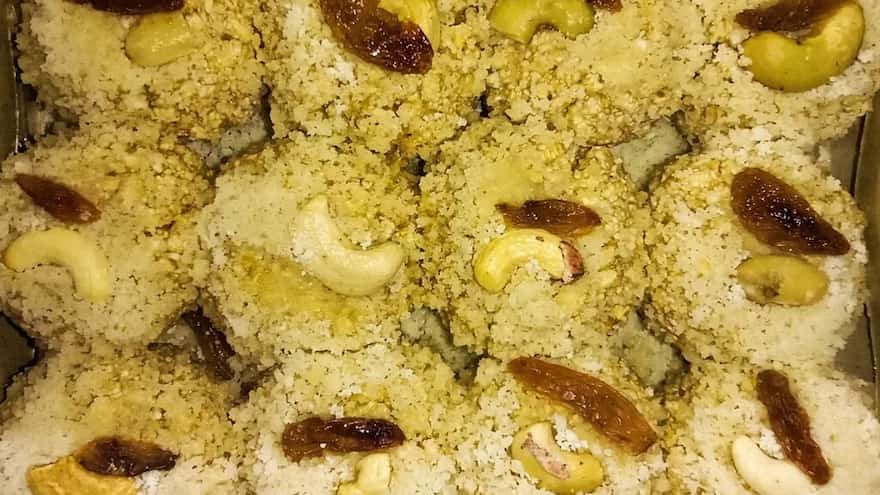
Image Credit: Wikimedia Commons
Early Origins
The village of Joynagar was discovered 500 years ago when Adi Ganga (The Ganges) had found its path to meet the Bay of Bengal, which was walked on by Sri Chaitanya Mahaprabhu and his followers. Culturally rich Joynagar, which was the hub of Sanskrit culture, was given the name of the second Nabadweep of Bengal. The question remains, who’s the real curator? Joynagar itself or its neighbouring district, Baharu. The debate basically revolves around how the sweetshop owners and manufacturers come under the administrative block of Joynagar and how both should be on the receiving end.
Production of Joynagar Moa
The puffed rice balls filled with gur and flavours of cardamom and dry fruits have been at war with their origin. He adds, “The sweet is handcrafted from the village of Joynagar-Majilpur, 50 km from South Kolkata. It is a concoction of puffed rice with date palm and jaggery”. The texture itself is perishable and keeps the flavour intact for nearly two weeks.
A trial shipment of 45 kg had been delivered to Bahrain in November 2017. and it was so well received that the customers placed a repeat orders. Orders have been pooling in from Canada, Italy and Dubai among other exquisite Bengal ambrosia.
Nolen gur, the liquid extracted from date palms, have huge public demand. It binds all the ingredients into a circular shape. The delicacy oozes with tradition and culture built out the bonds of friendship.
A GI Tag Winter Delicacy In Bengal
“We earned the GI tag certificate for the dessert from the Government of India on March 23, 2015. Many have registered under them to produce moa and the remaining are still in the process of registration,” shares Kayal. The order can be placed on the official website of Joynagar Moa Nirmankari Society over the phone with online payment options.
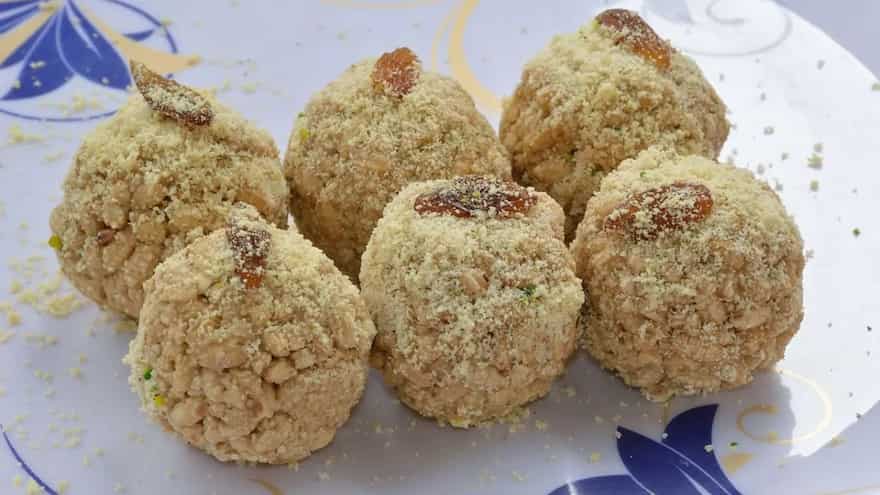
Image Credit: Wikimedia Commons
“Joynagar moa has been worthy of all the praise over the globe after receiving the GI tag and logo. The shops and the village have been receiving numerous repeat orders from where they have been exported to,” shares Mr Kayal.
The moya is exported and ordered by Bengalis across the globe every winter. Through word of mouth and little bites, others have also caught up with this sweet. If you want to have a sip of nolen gur, they will be glad to send some over as well.




