Share
Share

The expansion of international food chains in India often follows a predictable path: start in Delhi, move to Mumbai, and perhaps dabble in Bangalore. However, for Harajuku Tokyo Cafe, the next chapter is being written in a state known for its discerning, predominantly vegetarian palate. Gujarat is not just another pin on the map for founder Gaurav Kanwar; it is a strategic frontier where the brand is launching a pure vegetarian format to prove that Japanese food can be both authentic and inclusive.
The journey began with a simple observation of a massive void in the market. Gaurav realised that Japanese food in India was often intimidating and restricted to a fine-dining experience that felt out of reach for the average person. "The vision was very simple. We just wanted to get a Japanese brand to the country that was accessible, palatable, and affordable even by the Indian masses," he explains. Coming from a background in the FMCG sector, Gaurav understood that to scale, the brand needed to be as welcoming as a neighbourhood cafe while maintaining the soul of Tokyo.
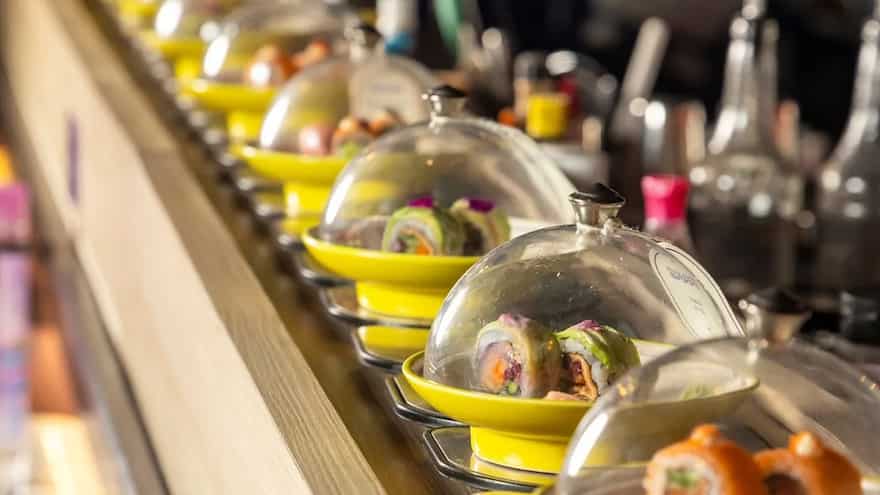
Image credit: Harajuku Tokyo
This accessibility is particularly evident in the brand's approach to Gujarat. Recognising the cultural nuances of the region, Harajuku Tokyo is making a significant pivot. While their outlets in other cities offer non-vegetarian options, the Gujarat entry is a dedicated nod to the local lifestyle. "When we're entering Gujarat, we're entering with a pure vegetarian format for the brand," Gaurav notes. He is confident that the strength of their vegetarian menu can stand on its own. "We know that our vegetarian dishes taste as good as our non-vegetarian dishes do and we want to change that perception when it comes to Japanese cuisine intimidating for the vegetarian population."
The transition to a vegetarian-heavy or pure vegetarian model was not an overnight decision. It required a complete re-engineering of traditional recipes that often rely on pork or beef as a base. In Japan, pork is the foundation of many iconic dishes, yet Gaurav made the executive call to purge it from the menu entirely. "The first thing that we did was we removed anything that was even remotely controversial to any segment of the population. So we removed pork completely out of the menu," he says. This move was not about diluting the culture but about translating it for a new audience.
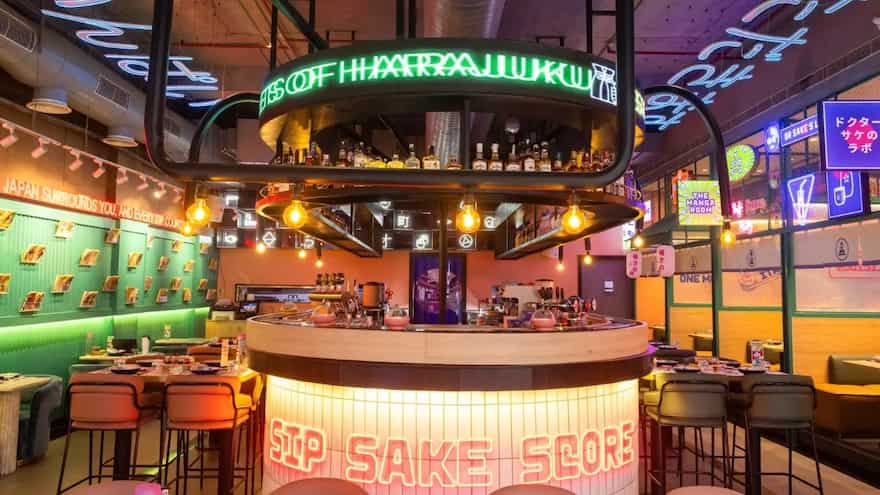
Image credit: Harajuku Tokyo
Maintaining authenticity while making these changes was a delicate balance. To ensure the heart of the cuisine remained intact, Gaurav spent over three months in Japan, eventually convincing two master chefs to relocate to India. Every ingredient, from the flour used in their signature baked goods to the specific spices in the ramen, is sourced from Japan. "I wouldn't say we've Indianised Japanese cuisine per se. We've only made it more accessible or palatable to the Indian audience," Gaurav clarifies. "The authenticity of the recipes at the core of it are still so absolutely Japanese. We don't use any Indian spices or any Indian ingredients in our dishes."
The Gujarat expansion also addresses a common misconception that Japanese food is synonymous with raw fish. For many first-time diners in cities like Ahmedabad and Surat, the idea of sushi can be daunting. Gaurav is quick to dispel these myths. "The thing is that Japanese cuisine is not just raw fish," he says. "Japanese cuisine is a lot more than raw fish... a lot more than just sushi. Tofu is also a big thing in Japan." By highlighting the cooked and vegetarian aspects of the menu, the brand is inviting a whole new demographic to the table.
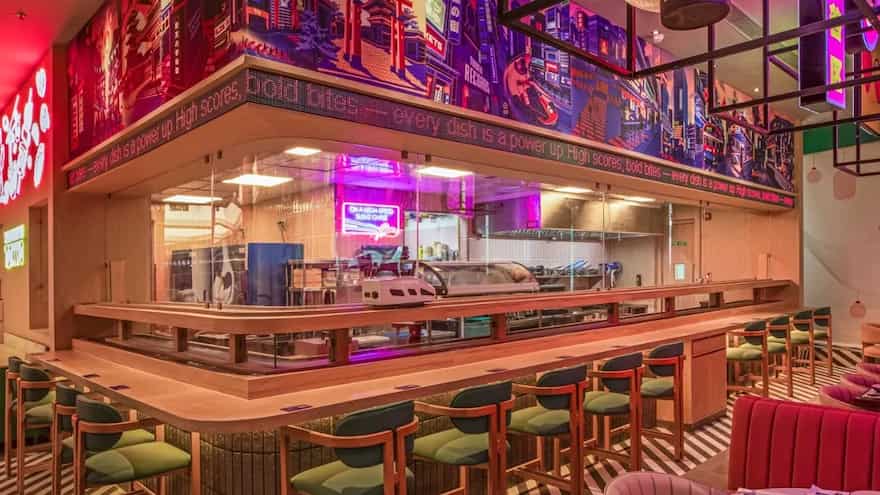
Image credit: Harajuku Tokyo
Beyond the food, the experience of Harajuku Tokyo is designed to be immersive. It draws inspiration from the Harajuku district in Tokyo, a hub for youth culture, manga, and neon aesthetics. This is a far cry from the serious, wood-heavy interiors of traditional Japanese restaurants. "India had not seen the other part of Japan, which was known for its manga, for its anime, for its neon lights, for its pop culture, for its street food, for all things crazy," Gaurav observes. Each outlet is themed after a different Japanese district, such as the Shibuya crossing-themed BKC outlet in Mumbai or the sakura-filled Ueno outlet in Gurgaon.
The response to this vibrant approach has been overwhelming. In Mumbai, the brand was sold out for a month after launching. Now, the focus is on recreating that magic in Gujarat and Bangalore. For the Gujarat market, Gaurav is particularly excited about how the younger generation will connect with the "Instagrammable" nature of the spaces. "Each corner of the outlet is very Instagrammable," he says. "People who recently traveled to Japan or who are looking at traveling to Japan... they feel connected to Japan in a way when they sit at our outlets."
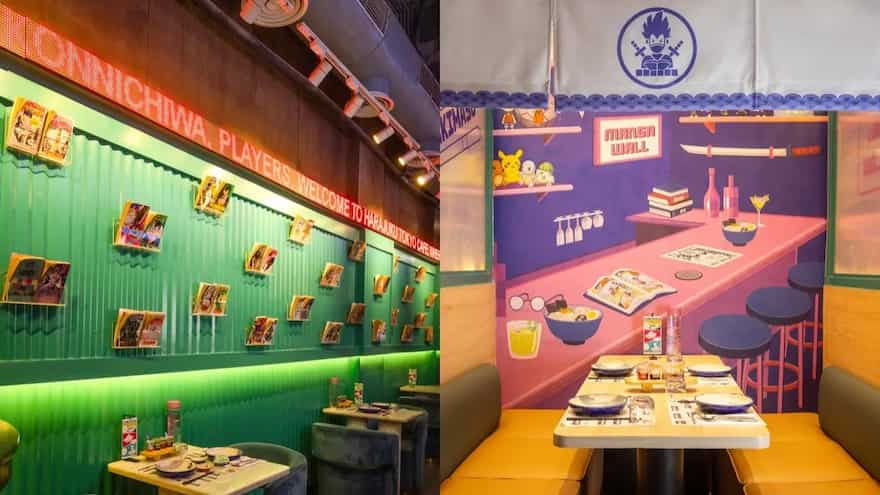
Image credit: Harajuku Tokyo
One of the star attractions that will undoubtedly be a hit in Gujarat is the Japanese souffle pancake. These fluffy, jiggly treats are a testament to the brand's dedication to perfection. It took over 4,000 trials to get the recipe right, and now they sell over 5,000 units a month. "It took us over three, 4,000 trials to make the first one," Gaurav recalls. This level of detail is applied to everything from their in-house processed udon noodles to their signature Katsu curry.
As the brand looks toward the future, the goal is to open 150 stores across the country within the next five years. This includes a major push in Bangalore with six new stores planned for this year alone. However, the Gujarat launch remains a pivotal moment for the brand’s identity. It is a test of their belief that Japanese food can be a staple, not just a luxury. "We're very excited about entering Gujarat," Gaurav says. "We're very excited about how Ahmedabad and Surat respond to the concept and to Japanese food."
For those who have been hesitant to try Japanese cuisine, Gaurav’s advice is simple: just walk in. The brand even provides "trainer chopsticks" to help newcomers feel at ease. "The entire ethos of the brand is to make everyone feel welcome," he notes. By stripping away the elitism and focusing on the joy of pop culture and good food, Harajuku Tokyo is not just expanding its footprint; it is expanding the Indian palate, one vegetarian ramen bowl at a time.