


 Share
Share

Often named as the quiet hero of Brazil’s northeast region, the umbu is a fruit that has nurtured generations without ever looking for the spotlight. Growing naturally in the semi-arid Caatinga area, the umbu tree flourishes in severe droughts by storing water in its roots, making the fruit a sign of strength rather than quantity. Yet outside Brazil, few people can identify its name or taste. Its limited shelf life, regional consumption, and lack of large-scale exports have kept it hidden from global needs.
What makes umbu unique is its flavour, which is bright, gently sour, and refreshing, ideal for both as a comfort food and everyday cooking. It adjusts easily in drinks, preserves, desserts, or even spicy accents. In a world which is increasingly drawn to local ingredients and endurable foods, umbu deserves attention not as a trend but as a story-rich fruit that is rooted in survival, culture, and creativity.
A Fruit Born For The Sertao Region
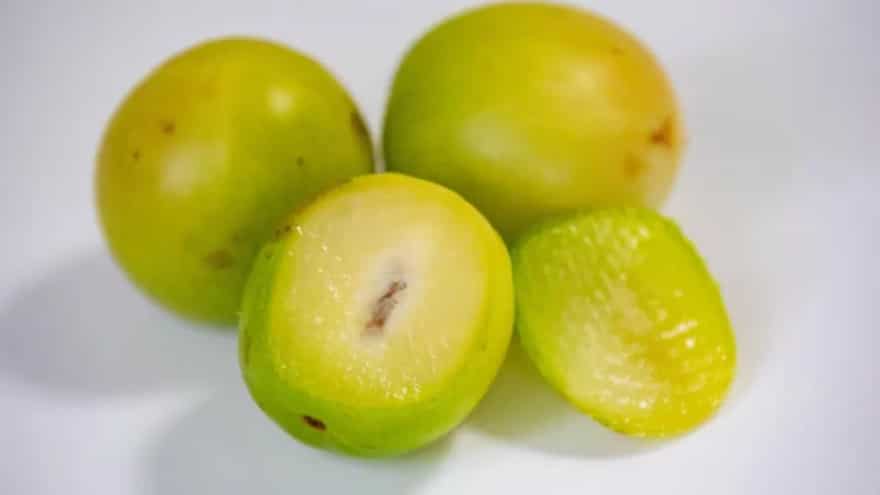
Umbu is a small, round green fruit native to Brazil’s northeast, particularly in the Sertao region. It grows on the umbu tree, a plant uniquely adapted to survive the droughts. What makes it unique is its underground tuber-like root that holds water, letting the tree and the neighbourhoods around it thrive even in extreme harsh conditions.
(Image credit: Freepik)
The History Of Umbu: Food, Survival, Identity
Historically, umbu has been a lifeline for many rural families residing in northeastern Brazil. During dry seasons, when crops failed and food was short, the umbu tree still bore fruit. Native communities used it for nutrition, whereas farmers depended on it as a seasonal source of income. Over time, umbu became incorporated into regional culture, i.e. appearing in folk songs, local markets, and in traditional cooking. Umbu represents survival, forbearance, and the wisdom of living with nature rather than opposing it.
Taste And Texture: Why Umbu Stands Out
Umbu has a tangy, lightly sweet, citrus-like flavour with refreshing sharpness. The fruit is juicy but light, making it perfect for hot climate conditions. Some compare the taste of umbu to a mix of green apple and lime. It is usually eaten ripe, but even unripe umbu is used in cooking, and loved for its sharp, refreshing bite.
Nutritional Advantages Of Umbu
Umbu is naturally rich in vitamin C, which helps boost immunity, particularly useful in rural diets. It also contains antioxidants, fibre, and vital minerals such as calcium and iron. Because it is low in calories and keeps your body hydrated, numb works well in light, cooling foods. For residents who have limited access to various produce, umbu counts nutrition without complexity.
Traditional And Modern Uses of Umbu
Umbuzada
A traditional comforting drink, umbuzada is prepared by slow-cooking ripe umbu with milk and sugar, making a soothing, lightly tangy drink. It is often enjoyed during dry seasons as a source of nutrition and a comfort drink.
Jams
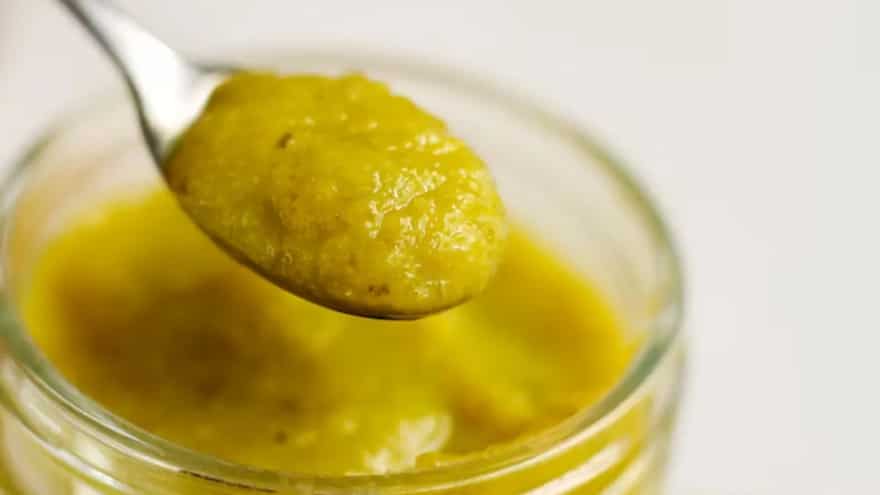
Umbu’s natural acidic nature makes it perfect to have for jams, chutneys, or as a thick preserve. These are commonly sold at local shops and fairs. This can expand the fruit’s short season into year-round use.
(Image credit: Freepik)
Refreshing Juices And Sorbets
Fresh umbu juice and sorbet are famous ways to beat the northeastern Brazilian heat. Light, cooling, and resonant, they highlight the fruit’s citrusy bite without overpowering sweetness.
Modern Savoury Pairings
Contemporary chefs have also paired umbu with seafood, grilled fish, and some light meats. Its tangy profile cuts the richness beautifully, delivering freshness while keeping the ingredient embedded in regional identity.
Cocktails And Gourmet Creations
Umbu is also now used in cocktails, artisanal desserts, and refined preserves. This modern rebirth has changed a once-rural fruit into a famous ingredient on exclusive restaurant menus.
Why Umbu Matters Beyond Brazil
Umbu is a reminder that some of the world’s most useful foods are not the global exports but the local treasures. It shows how traditional understanding, seasonal eating, and sustainability can coexist. As interest in local foods grows worldwide, umbu stands as an example of how history, nourishment, and culture can come together in something as simple as a fruit.
(Image credit: Freepik)




