


 Share
Share

Today, international cuisines are a step ahead. Everywhere, people enjoy tasting a cuisine from another nation. You get to appreciate new flavours, textures, and culinary tales from all over the world and are more inquisitive. Food from one nation can swiftly gain popularity in another due to travel, social media, and the internet. Local cuisine isn't around for very long these days. Suddenly, a recipe from the UK, Korea, Italy, or Mexico appears on menus, blogs, and reels everywhere. Simple, cosy food that feels novel but is simple to comprehend appeals to people. The ploughman's lunch has gained popularity recently. People all over the world are trying and sharing this British meal of bread, cheese, and chutney. Food enthusiasts enjoy it because of its simple ingredients and vintage appeal. This demonstrates how food from throughout the world continues to travel, blend, and become popular. What exactly is it, how did it start and why? Let’s dig in.
History Of The Ploughman's Lunch
British cuisine has always included a lot of bread and cheese. They have been consumed for a very long period in Britain. Later, onions were introduced to Europe during the Roman era. After a hard day in the fields, many farmers and ploughmen in the past probably ate basic dinners of bread and cheese. However, it wasn't referred to as a "ploughman's lunch" back then. Why would they do that? In urban areas, people also consumed cheese and bread. Additionally, ploughmen were probably too exhausted to give their meal a creative name after working in the fields all morning.
Why bread, cheese, and ale became the standard supper for agricultural workers in the past is rather simple to comprehend. These dishes were straightforward, portable, didn't require cooking, and truly made you feel full. Ideal when you need something fast and reliable after working long hours in the fields.
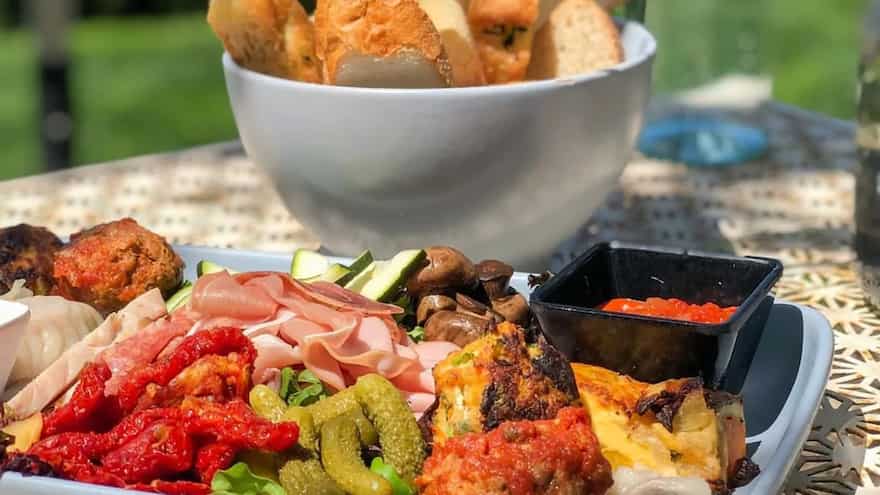
Image Credit: Pexels
The term "ploughman's lunch" appeared much later. The name was first used formally in 1956, following a passing reference by author Sir Walter Scott. This straightforward dinner was transformed into the well-known dish we know today thanks to the efforts of an organisation known as the Cheese Bureau. When the Cheese Bureau discussed the classic combination of bread, cheese, pickles, and beer in 1956, they weren't attempting to travel all the way back to antiquity. They were actually referring to life before World War II, which was a much closer recollection.
Workers who harvested fields at Bishopstone in the 13th century were fed meals that resembled what is now known as a ploughman-style lunch. They had pottage, wheat bread, beef, and cheese for lunch and bread, cheese, and ale for dinner on days when meat was permitted. It was pottage, wheat bread, fish, cheese, and ale on fish days. They were able to get through the day with a simple, consistent diet.
Food rationing altered people's eating habits after the war. Rationing persisted until 1954 despite the conclusion of the war in 1945. Many food sectors were fighting to survive, and people were tired of having few options for food. Everyone wanted some consolation as Britain was gradually becoming better. The Milk Marketing Board became aware of this in the 1960s and began advertising the ploughman's lunch in bars all around the nation. There were several reasons why it was clever.
Even the smallest, most basic bars could serve it with ease because there was no cooking involved. Additionally, there was no restriction on the type of cheese that may be used, allowing each area to showcase its particular regional speciality. The concept was a complete success. The ploughman's lunch became a pub staple, the cheese business revived, and people joyfully leaned into that cosy, nostalgic feeling. Certain things simply cling because they are comfy and familiar.
Why Is The Ploughman’s Lunch Trending Again?
The ploughman's lunch, an easy feast of bread and cheese intended to satisfy the hunger of agricultural labourers as they toiled on the land, is one food that is sure to conjure up thoughts of a picturesque England lost forever. Pubs today can't pass up the chance to "elevate" the meal, in true MasterChef fashion. In the present day, it's amusing that this vintage combination is once again widely used. The ploughman-style dish is becoming popular on social media, appearing in food blogs, café menus, and reels. People adore how simple and cosy it is.
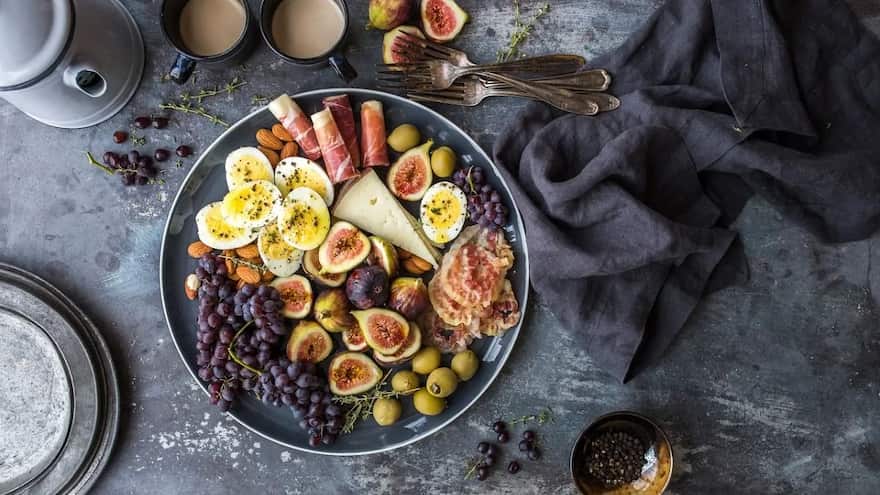
Image Credit: Pexels
People are now enamoured with this not-so-new meal thanks to popular foodie TikToker Courtney Cook (@courtneylcook), who went viral with her two-ingredient lunch recipe. In one of her videos featuring her work lunch, Cook remarks, "My fabulous Ploughman's lunch today." In the video, she is eating raisin butter, a boiled egg, an apple, a boiled beetroot, English cheddar, white Stilton with apricots, some hot pickles and some crusty bread. Along with various dressings and relishes, she also uses Branston Piccallili for lunch. Things like these pick up on social media really quick since many people look for easy work-lunch recipes that can save them time, and they do not need to eat a whole lot of junk food. The Ploughman’s lunch works here for this sole reason.
This no-cook bread and cheese plate feels cool again in a world full of extravagant foods. The internet cannot get enough of old cuisine and new hype. It appears to be somewhat unique and might have been intended more for a ploughman's luncheon than for a particular kind of supper. More than a century later, the phrase became connected to bread and cheese as a result of persistent promotion.
Traditionally, you'll notice a variety of breads, cheeses, pickled vegetables, boiled eggs, fruit, meat, and sauces. You can prepare this at home or bring it to work for lunch, although it's typically served in bars with beer or cider. Because Ploughman's lunches are easy to customise, come in a wide range of flavours, and can fill you up quickly, people are really eating their own version of them at work. Do you want to prepare your own Ploughman's lunch? Just bring your favourite cheeses, pickled vegetables, and bread or crackers.




