


 Share
Share

High up in the cold desert of the Trans-Himalayas, where ochre mountains cut across stark blue skies, art is taking on a completely new altitude. The landscape of Ladakh has long inspired travellers with its centuries-old monasteries, dramatic river valleys, and quiet mountain villages. In August 2026, this vast terrain has become the canvas for the sā Ladakh Biennale, creating a unique intersection where contemporary creative expression meets local heritage, fragile mountain ecosystems, and high-altitude living. Visiting this extraordinary gathering is not merely about looking at artworks; it is a physical and sensory journey through ancient landscapes, requiring thoughtful preparation, proper bodily care, and an appreciation for regional culinary traditions.
What Is The Sā Ladakh Biennale?
Taking place from 1 to 10 August 2026, the sā Ladakh Biennale is recognised as the world highest regenerative land art biennale. Set at altitudes exceeding 3,000 metres above sea level, the event abandons traditional white-cube galleries in favour of site-responsive interventions scattered across villages, mountain passes, and historic sites. The name sā originates from the Ladakhi word for soil, grounding the entire initiative in land, memory, and ecological stewardship.
Founded in 2023 by Tenzin Jamyang, Raki Nikahetiya, and Sagar Singh, the initiative began as a local land art exhibition in Leh before expanding into a full biennale format. Under the 2026 curatorial theme, Signals from Another Star, curated by artist and architect Vishal K Dar, the biennale unfolds across eight distinct locations along the historic Leh Kargil corridor. Participating artists from Ladakh, across India, and around the globe work directly with local communities, employing zero to minimal footprint practices to reflect on climate urgency, indigenous knowledge, and cultural resilience.
Exhibition sites extend through historic stops such as Basgo, Likir, Nurla, Lamayuru, Heniskot, Mulbekh, and the border village of Hunderman near Kargil. By embedding art directly into the living environment, visitors are invited to travel slowly and engage with the landscape as an active participant rather than a passive observer.
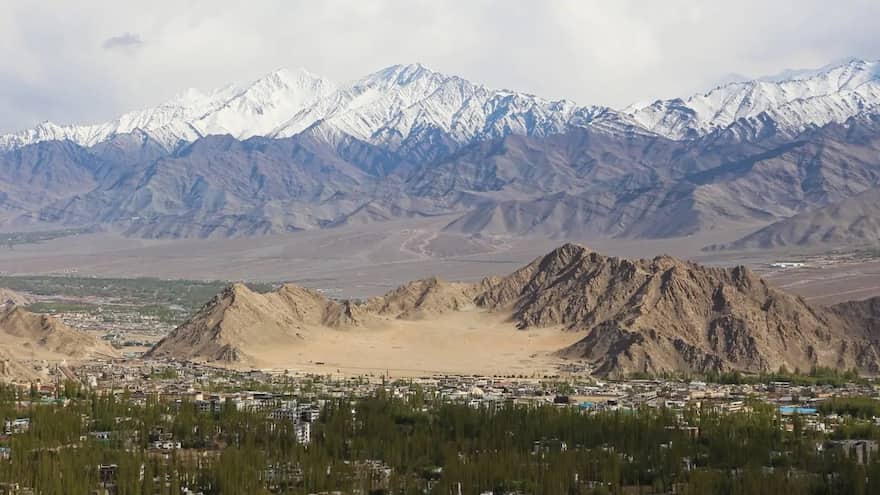
Image credit: Wikimedia Commons
Acclimatisation Tips: Food And Hydration At High Altitude
Travelling through the high-altitude terrain of Ladakh presents unique physiological demands. At elevations above 3,000 metres, reduced atmospheric pressure and lower oxygen levels affect digestion, hydration, and energy levels. Proper acclimatisation requires a minimum of 48 hours of rest upon arrival in Leh before moving to higher passes or active sightseeing. Food and hydration play a crucial role in helping the body adapt smoothly.
Hydration Strategies
Hydration is the single most important factor when adjusting to mountain air. The dry high-altitude climate accelerates fluid loss through respiration. Drink between 3 and 4 litres of water daily, sipping continuously throughout the day rather than drinking large quantities at once. Water infused with electrolytes, ORS salts, or a splash of fresh lemon helps maintain fluid balance. Warm water and herbal infusions are particularly effective, as cold drinks can constrict blood vessels and slow down digestion. Avoid alcohol, caffeine, and sugary aerated beverages during your first few days, as these act as diuretics and exacerbate dehydration.
High Altitude Dietary Guidelines
When it comes to meals, your digestive system operates more slowly at high altitudes due to reduced oxygen availability. Keep meals light, warm, and rich in complex carbohydrates. Whole grains, oats, steamed dumplings, and root vegetables provide steady energy without overburdening the digestive system. Garlic is a well-known natural aid for altitude adjustment, as it helps thin the blood and improves oxygen circulation; drinking hot garlic soup is a traditional local remedy for mild headaches and tiredness.
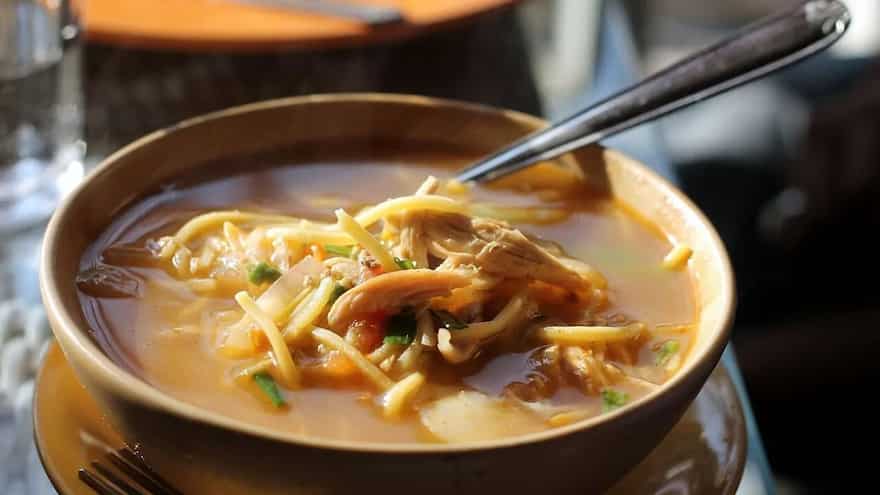
Image credit: Wikimedia Commons
Incorporate native mountain ingredients into your diet during acclimatisation. Tsampa, made from roasted barley flour, is easily digestible and exceptionally high in energy. Local dried apricots, rich in potassium and iron, make excellent snacks while travelling between biennale sites. Avoid heavy, greasy, or overly spicy foods, as well as dense red meats, during the initial 48 hours, allowing your body to dedicate its energy toward adapting to the thin air.
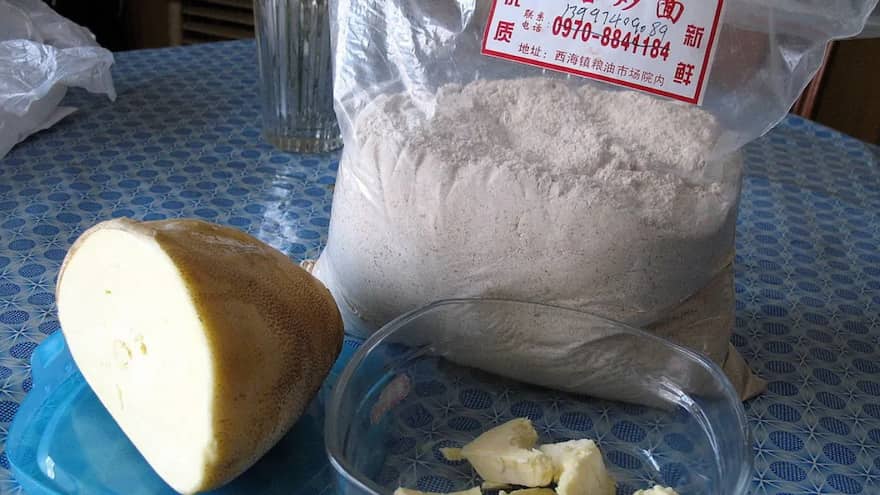
Image credit: Wikimedia Commons
Best Restaurants And Cafés In Leh And Kargil
Exploring the Leh Kargil corridor offers an opportunity to sample exceptional food, ranging from quaint bakeries and rustic garden cafés to traditional family-run eateries.
Culinary Highlights In Leh
- Bon Appetit: Hidden away near the main market, this restaurant offers quiet timber architecture and views of the Stok Kangri range. It is known for continental comfort dishes, fresh salads, and wood-fired baked items.
- The Tibetan Kitchen: Located in the heart of town, this family-run establishment serves some of the most authentic Ladakhi and Tibetan food in the region. It is ideal for sharing long, warm meals with friends after a day of visiting art sites.
- Gesmo Cafe: A long-standing favourite on Old Fort Road, famous for freshly baked breads, yak cheese dishes, and comforting breakfast options.
- Cafe 1947: Situated right beside the rushing waters of the Indus River, this laid-back spot offers coffee, wood-fired pizzas, and a relaxed musical atmosphere perfect for unwinding.
- Chopsticks Noodle Bar: A lively venue offering Asian specialties, including warm noodle bowls and freshly steamed momos.
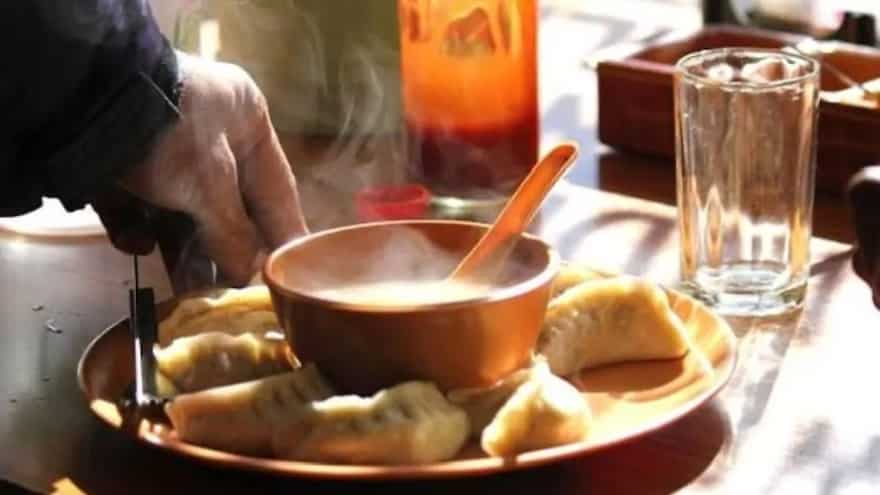
Image credit: Wikimedia Commons
Essential Stops In Kargil
- Parsa Kargil: Situated along the river route, this modern joint is famous among travellers for its freshly made kathi rolls, biryani, and warm hospitality.
- Cafe-de-Riverside: Located within the Trespone valley near Kargil, this scenic cafe provides panoramic river views alongside sandwiches, aromatic coffee, and local snacks.
- Rego Cafe and Restaurant: Set along the banks of the Suru River in Bemathang, this charming venue offers rich soups, freshly brewed cappuccino, and classic North Indian dishes.
- Downtown Restaurant: A prime destination for authentic Kashmiri wazwan, mutton kebabs, and comforting vegetarian thalis.

Image credit: Wikimedia Commons
Local Delicacies To Try
Ladakhi cuisine is shaped by harsh weather, high altitudes, and centuries of Silk Route exchange. The food is rustic, deeply comforting, and naturally suited for cold mountain conditions.
- Chhutagi: A signature Ladakhi dish translating to water bread. It consists of bow-tie shaped wheat dough cooked in a rich, flavourful stew made with leafy greens, root vegetables, and meat or lentils.
- Skyu: A traditional one-pot staple made from small, thumb-pressed wheat dough pasta simmered slowly with vegetables, milk, or meat broth. It is dense, warming, and packed with energy.
- Khambir: A thick, round, leavened flatbread baked directly over hot coals. Its crispy crust and soft interior make it perfect for dipping into curries, stews, or sipping alongside salty butter tea.

Image credit: Wikimedia Commons
- Thukpa and Thentuk: Homely noodle soups made with wheat noodles, fresh garlic, vegetables, or shredded meat. Thentuk features hand-pulled flat square noodles, providing ultimate comfort on cold mountain evenings.
- Gur Gur Chai: The classic Ladakhi butter tea, made by churning tea leaves, yak butter, and salt. It warms the body, prevents chapped lips in the dry air, and provides essential calories at high altitudes.
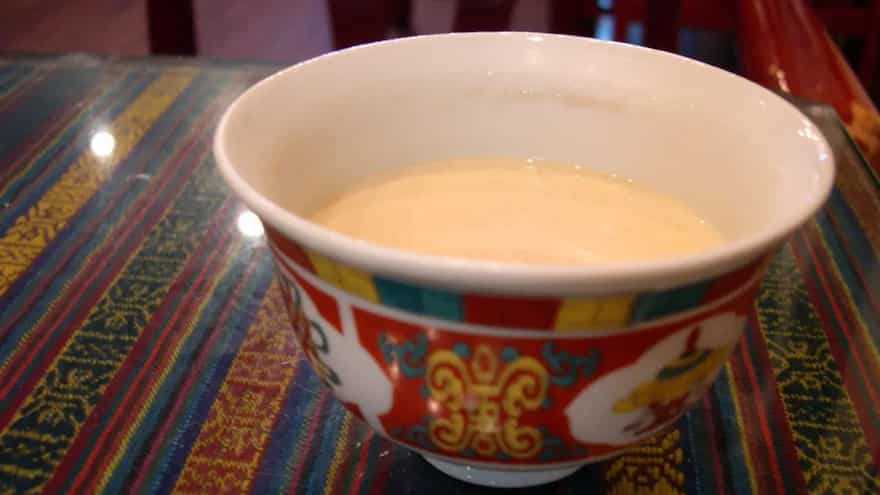
Image credit: Wikimedia Commons
- Paba and Tangthur: Paba is an ancient, nutrient-dense dough made from a blend of roasted barley, wheat, and pea flour. It is traditionally eaten with Tangthur, a refreshing buttermilk dish prepared with wild mountain herbs.
- Chhurpe: Traditional cheese made from yak milk. Available in soft forms for soups or hard dried cubes for chewing on long treks, it offers a sharp, distinct taste.
- Sea Buckthorn and Apricot Delights: Ladakh produces some of the finest apricots and wild sea buckthorn berries. Enjoy fresh apricot juice, house-made jams, or tart sea buckthorn tea packed with vitamin C.
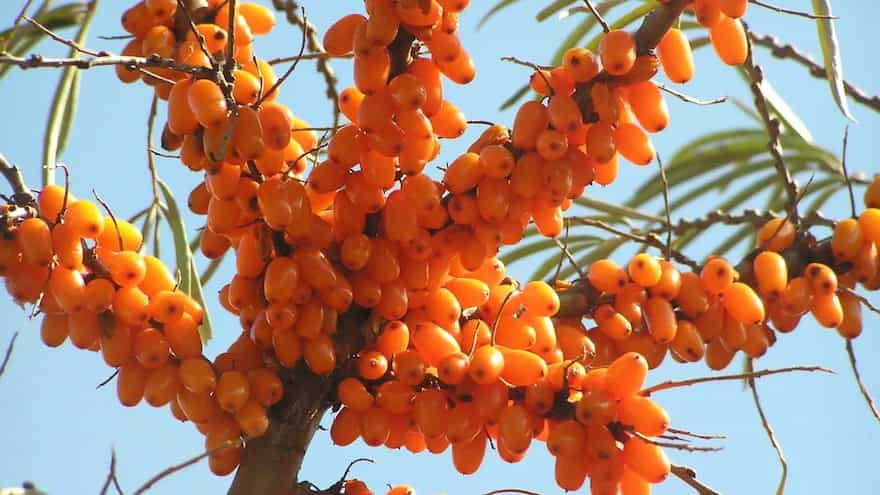
Image credit: Pexels
Navigating The Intersection Of Culture And Climate
A journey to the sā Ladakh Biennale is ultimately an exercise in slow travel, intentionality, and deep immersion. As contemporary art merges with the ancient geology of the Trans-Himalayan corridor, visitors are granted a rare opportunity to engage with mountain culture through a lens of ecological mindfulness and creative wonder. Whether you are walking through site-responsive land art installations in quiet mountain hamlets, gathering strength over a steaming bowl of skyu, or simply learning to move at the gentle pace dictated by high-altitude air, this convergence of art and environment leaves a lasting mark. In an era where human presence across fragile landscapes requires careful consideration, the biennale stands as a compelling model for how creative gatherings can honour the earth, elevate local heritage, and inspire meaningful transformation.




