


 Share
Share

The breathtaking views of Gangtok are complemented by a rich legacy of Sikkimese food, which reflects the region's diverse cultural influences. Visitors to Sikkim are often enchanted by the unique blend of flavours and traditional cooking methods that define the local cuisine. Exploring the local street foods in Gangtok is no less than a memorable adventure. The streets of Gangtok are complemented by vendors along with some mouth-watering dishes that provide an authentic taste of the state.
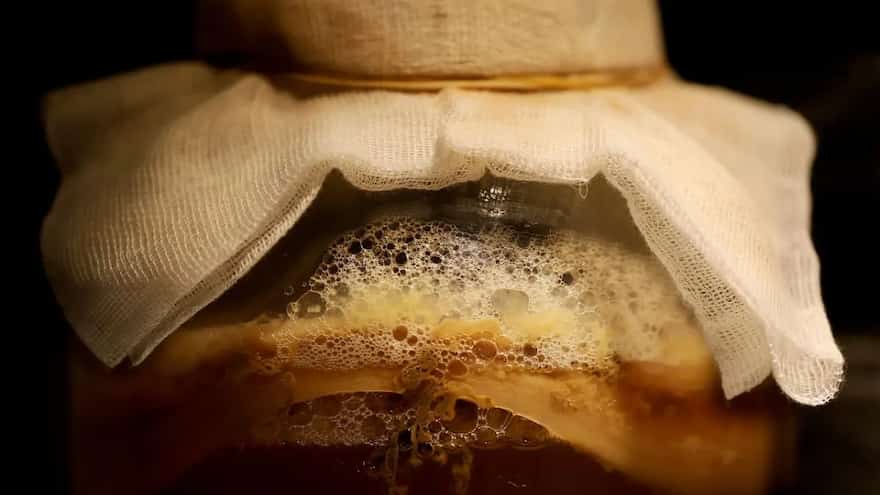
Image Credit: Pixabay
Much like other states of the North East, Sikkim also excels when it comes to culinary recipes that need fermentation. Fermented foods and beverages are a regular component of diets for gut health, taste, and preservation long before they were trendy. One such fermented drink is phab, a traditional beer from Sikkim that’s softly tart, mildly alcoholic, and basically culture, community, and history put into a glass. If you’re curious, here’s all you need to know:
A Drink Of The Mountains
Amidst the beautiful Himalayas, the charming land of Sikkim harbours a rich cultural past that extends to its culinary delicacies. Among these gems is phab, a traditional Sikkimese beverage produced from fermented millet or barley. This tart and slightly alcoholic beverage has come to represent happy moments and festivities, enthralling both residents and tourists.
The beverage's origins can be traced back to ancient Sikkimese tribal cultures who expertly used fermentation to produce a unique beverage. This traditional technique was developed as a means to preserve and utilise the surplus grain harvested during the bountiful summer months. Over the centuries, phab has evolved into an integral part of Sikkimese culture, adding a touch of merriment and conviviality to festive gatherings.
Image Credit: Pexels
Phab holds deep cultural significance in Sikkimese society. It is an integral part of various festivals and ceremonies, symbolising unity, abundance, and shared joy. Whether it is Losar, the Sikkimese New Year, or the Chaam dance performances during religious festivals, Phab is a key component of the festivities, fostering a sense of camaraderie and merriment. It is believed to possess medicinal properties. It is often touted for aiding digestion, revitalising the body, and uplifting the spirit. It is also considered a symbol of hospitality, with hosts offering Pphab to guests as a gesture of warm welcome and goodwill.
Phab carries great cultural significance in Sikkimese society. It is an essential component of many celebrations and rituals, signifying harmony, plenty, and delight for all. Whether it is Losar, the Sikkimese New Year, or the Chaam dance performances during religious holidays, phab is a fundamental component of the festivities, promoting a sense of solidarity and pleasure. Phab is also thought to have therapeutic qualities. It is commonly promoted for improving digestion, revitalising the body, and boosting the mood. Additionally, hosts offer phab to visitors as a sign of goodwill and a warm welcome, making it a symbol of hospitality.
Brewing Sikkimese Phab For Winters
A patient waits for the grains to magically turn into a delicious libation during the labour-intensive process of making phab. The fundamental ingredients, millet or barley, are carefully picked for their quality. After that, the grains are submerged in water to encourage sprouting. Enzymes are activated during this sprouting process, turning the grains' starches into sugars that can be fermented. The grains are milled into a powder after being gently dried. This mixture, known as tsi. It is then blended with some warm water and left to ferment. Wild yeast and bacteria interact with the mixture, and then the natural process occurs that gradually turns it into a tart, fizzfull drink. The fermentation process often spans many days or even weeks, depending on the desired taste character.
Families and neighbours frequently join together to participate in phab brewing as a community activity. Large clay pots or wooden barrels, known as "dharay," are historically used to ferment the phab. These tanks not only provide an excellent atmosphere for the fermenting process but also lend a particular earthy flavour to the ultimate product. During fermentation, the Phab is stirred periodically, ensuring that the mixture ferments uniformly. The aroma that emanates from the dharay as the phab matures is intoxicating, filling the air with a tantalising blend of earthiness and tang. This art of phab brewing is often passed down through generations, with each family adding its unique touch to the beverage, resulting in subtle variations in taste and character.
How To Drink & Make Sikkimese Phab
Phab is best consumed chilled and in moderate quantities, as it has a strong, tangy and slightly salty flavour that can feel intense at first. To drink it, pour a small amount into a glass and sip it slowly instead of finishing it in one go. This helps you appreciate the taste and prevents it from feeling too sharp on the palate. If the flavour feels overpowering, you can dilute it with a little cold water to make it lighter and easier to drink. Some people also like to add ice, or a pinch of sugar, to balance the sourness. Phab is frequently consumed after meals, particularly those that are heavy or spicy, as it aids with oral hygiene and digestion. In warm weather, it can also be drunk as a cool beverage. Always store phab in the refrigerator to keep it fresh, and shake the container slightly before pouring so the flavours are equally combined. Drink it in little servings rather than huge glasses, as it is designed to be a concentrated, flavoured beverage rather than a standard soft drink.




