


 Share
Share

The intense afternoon heat, empty roads as the clock strikes noon, clay pots filled frequently with water, and the sudden urge to have chaas, aam panna, or the soaked rice meals, this is the kind of summer India experiences during extreme Nautapa. Starting from May 25 this year and continuing for nine days until June 2, Nautapa is traditionally considered to mark the most intense period of pre-monsoon heat in many parts of the country.
The word itself mixes “nau”, which means nine and “tapa”, which means heat. During this course, temperatures usually rise sharply, dry winds become too harsh, and the body begins reacting differently to food. Heavy curries, oily snacks, and too spicy meals can suddenly become exhausting instead of feeling comforting. Appetite tends to decline, dehydration increases quickly, and digestion slows down in severe heat.
What Is Nautapa?
As per the folklore, Nautapa begins when the sun enters the Rohini Nakshatra. This phase is linked with extreme solar intensity and is often connected to some of the hottest days before the monsoon knocks on the door. While modern meteorology explains the summer heat scientifically through weather systems and increasing temperatures, Nautapa remains deeply embedded in seasonal cultural experience across India.
Interestingly, older Indian food traditions never treated summer eating casually during this period. The focus was not indulgence, but survival through hydration, digestion-friendly meals, and ingredients that naturally balanced body heat. This is why many traditional summer foods during Nautapa are light, water-rich, fermented, or naturally cooling in nature.
What To Have During NauTapa?
Here are some of the foods that you can have during intense heat and when your appetite takes a hit:
Replace Heavy Lunches With Fermented Rice Meals
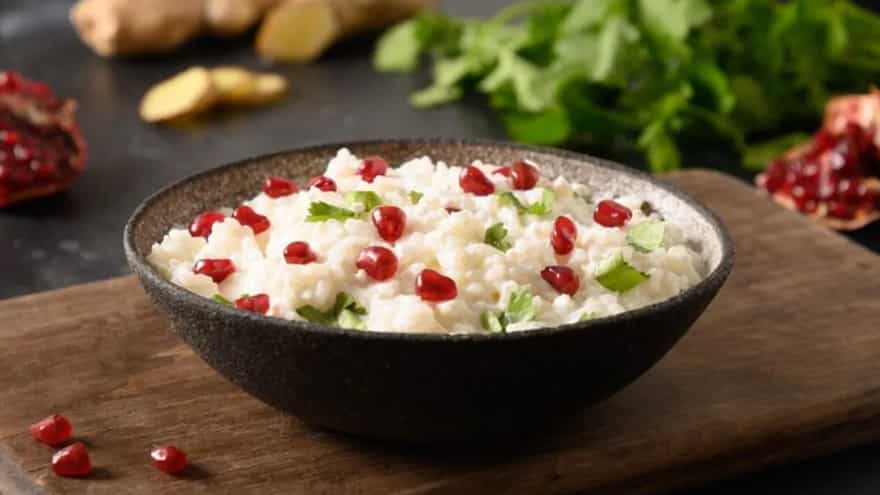
Dishes such as Odisha’s pakhala, Bengal’s panta bhat, and Tamil Nadu’s pazhaya sadam are prepared using soaked or lightly fermented rice blended with water or curd. These meals are cooling in nature, light on the stomach, and deeply hydrating during afternoons that are filled with dry heat as well as loo. Often mixed with salt, green chillies, fried vegetables, or curd, they help in replenishing minerals that are lost through sweat while preventing the heaviness that spicy, freshly cooked meals can make during the intense summer.
(Image credit: Freepik)
Replace Sugary Soft Drinks With Sattu Sharbat
Before packaged electrolyte drinks became trendy, sattu was already doing the same job. Famous across Bihar and eastern Uttar Pradesh, sattu ghola blends roasted gram flour with little water, black salt, roasted cumin, and lemon juice to make a filling summer cooler. Unlike the sugary sodas that often leave people feeling bloated or more thirsty afterwards, sattu cools down the stomach while delivering sustained energy during the intense summer season. Many households particularly depend on it because it feels light, nourishing, making it easy to handle dehydration, loss of appetite, and exhaustion that is caused by intense heat and continuous sweating.
Replace Thick Gravies With Buttermilk-Based Foods
As temperatures tend to rise, digestion often slows down, making rich gravies and oily curries feel heavier than usual. This is why many homes take a shift towards chaas, neer mor, mattha, kadhi and thin curd-based meals during this period. Lightly seasoned with roasted cumin, mint, ginger, coriander, or curry leaves, these drinks cool down the stomach without feeling dull or too watery. In many hot regions, buttermilk also functions in a useful way to replace fluids and salt that are lost through sweating. More than just being a refreshing beverage, these preparations are part of an older seasonal eating system that has been around, surviving in intense summer heat.
Replace Ice-Cold Packaged Drinks With Traditional Coolers
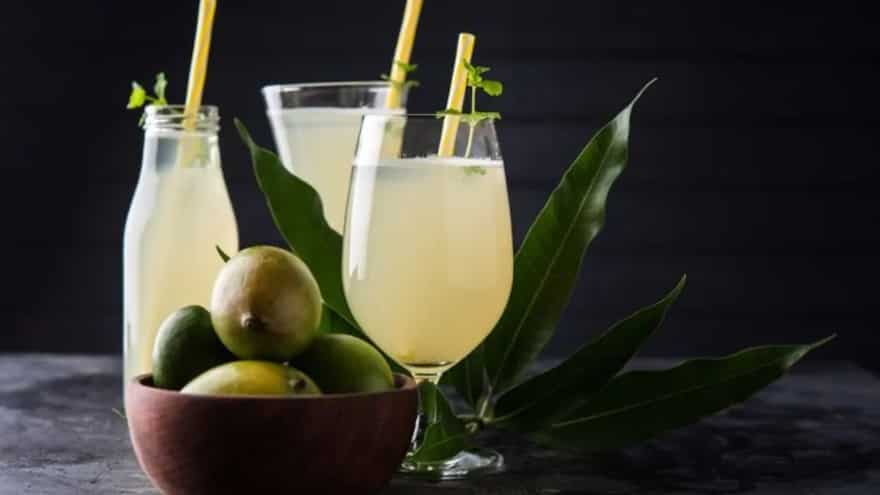
Bael sharbat in North India, kokum sherbet along the Konkan coast, and aam panna across several states are deeply connected to seasonal heat management. Unlike the fizzy packaged drinks that are loaded with excess sugar, these drinks feel gentle, light, and more restorative. Bael is often linked with soothing digestion, whereas kokum is loved for its cooling effect in hot weather. Aam panna, prepared with raw mangoes, salt, and spices, helps in replenishing electrolytes in a natural way. These drinks were prepared around the climate long before the commercial summer beverages existed.
(Image credit: Freepik)
Replace Fried Evening Snacks With Water-Rich Foods
During Nautapa, many households avoid spicy pakoras, fried namkeen, or greasy snacks that can make the body feel dull in sweltering heat. Instead, meals often become light and more water-rich. Cucumber salads, curd rice, watermelon, muskmelon, soaked black raisins, and chilled seasonal fruits start replacing the heavy tea-time foods. These ingredients help cool the body slowly while supporting hydration after long hours of exposure to heat and dry winds.




