


 Share
Share

As the monsoon season breathes new life into forests and farmlands, markets across Jharkhand start filling with a small green berry that is little known outside the area. Chances are you may also not have heard about this lesser-known green berry. Locally known as kutumba, Turkey berry (or scientifically known as Solanum torvum) is one of the most loved vegetables of the season.
This green berry grows on its own during the rainy season and has long been a staple in tribal and rural kitchens in the region. Although small in size, kutumba is loved for its pleasantly bitter, earthy taste.
While kutumba is generally associated with Jharkhand, it is also relished in parts of Tamil Nadu, Kerala, Karnataka, and Northeast India as well, with each region cooking it in its own way. Loved for its unique taste, kutumba symbolises India's rich biodiversity and the ritual of eating what each season has to offer.
Why Kutumba Is So Cherished In Traditional Diets
Kutumba or Turkey berry has long been appreciated in Indian kitchens for its unique flavour. According to the ICMR–National Institute of Nutrition's Dietary Guidelines, eating a variety of seasonal vegetables is important for improving dietary diversity and guaranteeing a sufficient intake of vitamins, minerals, and fibre.
Kutumba’s light, bitter taste has made it famous in many regional cuisines, outside of Jharkhand, where bitterness is used to balance the rich flavours. In Jharkhand, it is enjoyed as a seasonal monsoon dish, whereas in southern India, it is used in curries, stir-fries, and sometimes also preserved for later use.
Kutumba Sabzi: Jharkhand's Loved Seasonal Favourite
In Jharkhand, kutumba is most typically cooked as a simple dry sabzi that allows its earthy flavour to shine and not hide. While preparing, berries are lightly crushed and sautéed with chopped onions, garlic, mustard oil, and simple spices. They are cooked until it turns soft. Some people also add potatoes or some roasted gram flour to add some extra texture and crispiness.
The subtle bitterness mellows while cooking, making a balanced dish that is paired with steamed rice or rotis. Kutumba sabzi shows how seasonal vegetables persist in shaping everyday meals in many tribal as well as rural households.
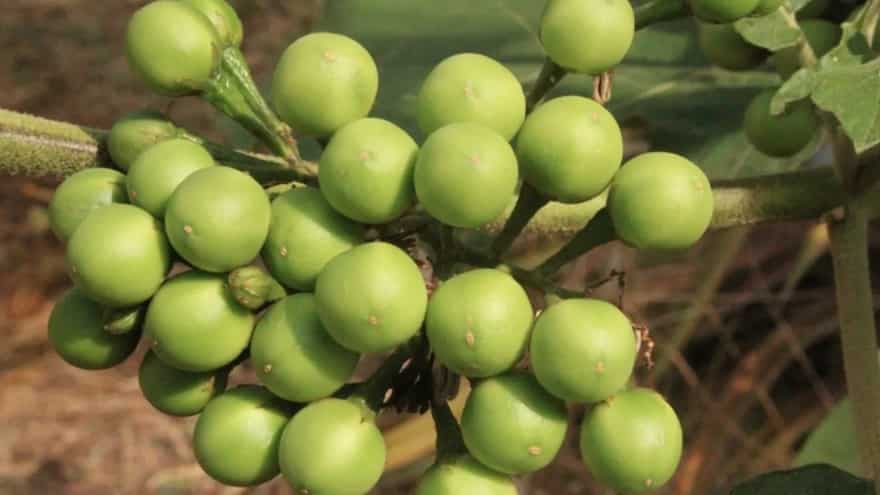
(Image credit: Wikimedia Commons)
Tangy Curries And Lentil Preparations
Kutumba is also added to dals and to some curries, where its earthy flavour mixes pleasingly with tamarind, tomatoes, and some fragrant spices. In many households, these berries are cooked with split lentils, making wholesome one-pot meals that feel both hearty and full of flavour.
The vegetable soaks up spices quite well while maintaining its own pleasant bite, making it a wholesome addition to the lunch spread during the season.
Sun-Dried For Year-Round Use
Since fresh kutumba is seasonal, it is available only for a short period, so many communities preserve it to use year-round. For the preservation method, the berries are lightly salted, sun-dried over many days, and then stored in airtight boxes.
These dried berries are then fried until it turns crisp or added to curries and some rice dishes and used all year round. This classic preservation method not only expands the shelf life of vegetables but also boosts their taste, letting families enjoy the taste of the monsoon even after the season has ended.
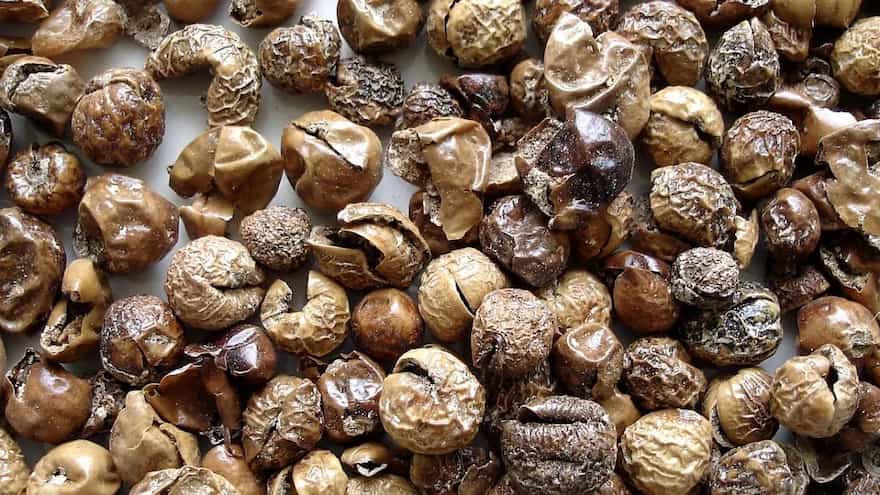
(Image credit: Wikimedia Commons)
Regional Variations Across India
Although kutumba is closely knitted with Jharkhand, Turkey berry has a much wider culinary existence. In Tamil Nadu, it is used in the Sundakkai Vathal Kuzhambu, where dried berries are cooked in a tangy tamarind gravy. In Kerala, it is cooked in coconut-based curries and theeyal, whereas in Karnataka, it is mixed in sambars or in stir-fries.
These regional variations show how one simple ingredient adjusts beautifully to various spice mixes and cooking practices, making it one of the most universal seasonal vegetables to cook with.




