


 Share
Share

The Himalayas, which span India, Nepal, Tibet, and Bhutan, were most likely created around 5 million years ago. The territory is separated into four zones, ranging from snowy peaks to lush lowlands, each of which influences how people live and eat. Harsh conditions and limited resources forced cultures to be innovative with food. Fermentation became an important technique for preserving food, resulting in distinctive, delicious meals and beverages. These traditional cuisines represent the local culture, religion, and environment. Fermented soybean dishes are particularly prominent in the Eastern Himalayas, exhibiting a rich culinary tradition that is gaining popularity among tourists and foodies.
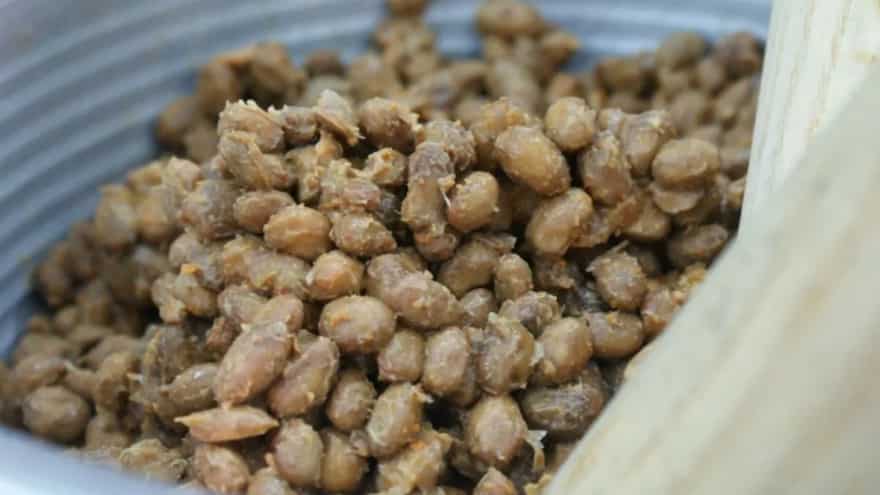
Image Credit: Wikimedia Commons
The first time the word akhuni or kinema ever reached your vocabulary was when fermented soybeans made it into a really popular food called ‘Axone’, and for the people who assume it to be impure, it is strictly vegetarian. The word "kinema," in the Nepali language, refers to it as having a strong, intense smell. When someone prepares kinema at home, other households around it will also get the smell and know that someone is cooking kinema. But how exactly did kinema come to be a staple in Nepali communities in India and across the border? Let’s find out.
A Brief History Of Nepali Kinema
Kinema emerged in the Nepali diaspora among the Limbu Rai group, who are an ethnic group that enjoys this meal a lot. Complex flavours like those found in kinema and other similar dishes are deeply ingrained in their culture, as it is considered impolite to say anything like "it's stinking" in these homes, because to them it is just "aroma." The deeper the flavour of the kincha, the stronger it smells. Saying anything like "the dish stinks" is genuinely offensive to the food served in these households.
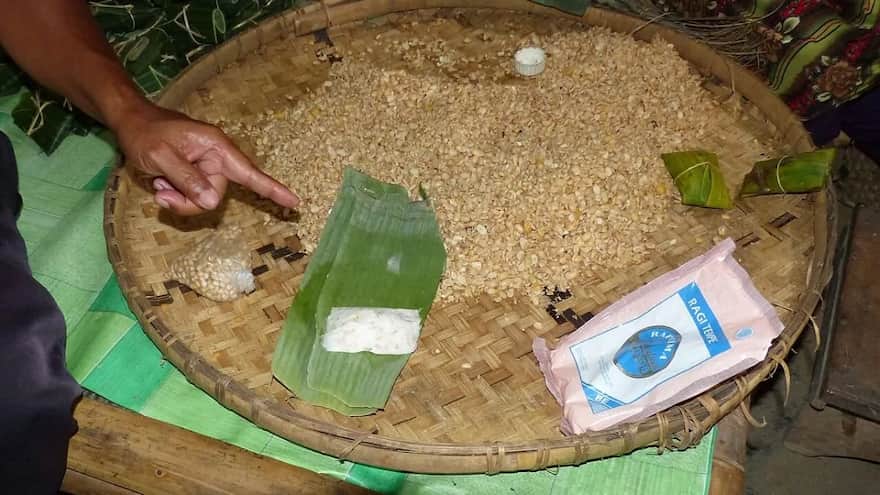
Image Credit: Wikimedia Commons
People from outside the Kirat community find it enjoyable due to the bothersome qualities of the dish, as per someone who has been newly introduced to it. For many people, kinema evokes pure nostalgia. Usually, in most houses, children are not permitted to consume kinema before they reach adolescence. This was due to the belief that kids couldn't handle the dish's strong flavour, nutrients, and scent.
For the Limbu community, kinema is a classic dish and a staple. However, many Southeast Asian nations serve dishes that can be compared with kinema. Perhaps you've heard of Indonesian tempeh or Japanese natto and miso, which are fermented soybean paste variations that not many people, especially in the Northeast, have ever heard of.
Food cultures that ferment beans, or bhatamas, have their roots in Eastern Nepal. Historical evidence indicates that the black soybean was first cultivated by the Kirats and Limbus (as recorded in the Mundhum, a sacred Kirat scripture). It took a while before the other nearby communities that coexisted with the Kirats learned about the fermentation of kinema. Notably, since then, numerous other items, such as radish, spinach, radish leaves, and mustard leaves, have been successfully fermented by others.
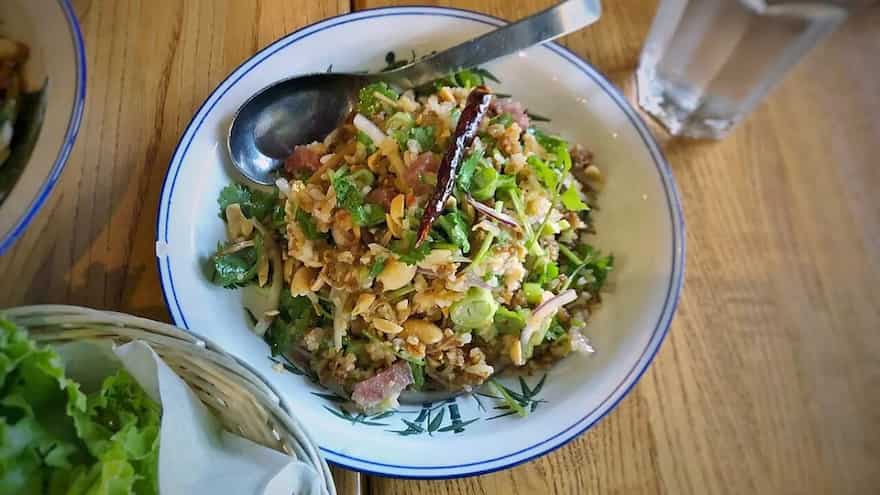
Image Credit: Wikimedia Commons
Kinema may have developed during the Kirat era in Eastern Nepal, between 600 BC and 100 AD. In the seventh century, a select group of people from the South Chinese province of Yunnan founded their kingdom in East Nepal, naming themselves Yakthumba or Limbu. They appear to have brought the process of fermenting soybeans with them to present-day Nepal, from where it spread to northeastern India. The other tribes and cultures picked up the skill of fermenting soybeans and using the resultant medicine from them.
How Kinema Reached North-East India
Following the introduction of Buddhism to these areas, individuals were urged to embrace vegetarianism, and by the third and fourth centuries, fermenting various foods was becoming a common practice. In the Kirat community, Kinema goes by a variety of names, including Chembihik and Hokuma. Similar to differences in names, there are differences in the ways that kinema is prepared. North East India is seen as a passive microcenter inside the soybean secondary gene centre, although a tertiary soybean gene centre might be found in central India, notably in Madhya Pradesh, the country's largest soybean producer. The origins of soybeans often have roots in myths and legends, with beliefs that the Limboo people, one of the oldest aboriginal Kirat races of the Gorkha community in the Eastern Himalayas, were among the first to cultivate soybeans. According to Limboo tradition and mythology, soybeans, known as "chembi" in their language, were domesticated between 2500 and 100 BCE.
However, the procedure begins with soaking soybeans in water for two nights, or until the water's surface is lightly covered in foam. After that, the soybeans are boiled until they are nearly cooked. After that, the beans are beaten till they split in half, and filtered to remove any remaining water. The soybeans are then placed within the leaf lining, which is made of fern, banana, and other widely available leaves, and covered and wrapped. The bamboo basket, called a "moktu," is used for this purpose. After that, the preparation is kept in a warm, dark corner of the house so that fermentation can start.
Other methods of making kinema involve beating the beans into a texture that resembles a very gritty paste. This is because the beans will cover a larger surface area after being beaten, promoting even more microbial activity. In other forms, people also dust soybeans with fireplace ash, which raises their alkaline content and helps create the ideal environment for successful fermentation.
After that, the beans are allowed to fully ferment for about 5 to 6 days. This is when the soybeans begin to smell strong, like ammonia; the greater the stench, the more flavorful the kinema will be. When the soybeans begin to appear stringy and sticky, they are removed from the basket.
Similarities With Other Southeast Asian Fermented Soybean Dishes
Once removed from the basket, in this manner, kinema can be consumed immediately. However, to make it easier to store and extend its shelf life, people also dry kinema in the sun for four to five days until the moisture evaporates.
Some individuals are shocked by the dish's aroma since they are unfamiliar with the idea of kinema. The aroma has already negatively impacted their opinion of the meal long before they hear about all of its positive aspects. But for the brave hearts, you can use akhuni or kinema to make pickles or chutneys and even use it in curries of red meat, pork, fish, and many more.
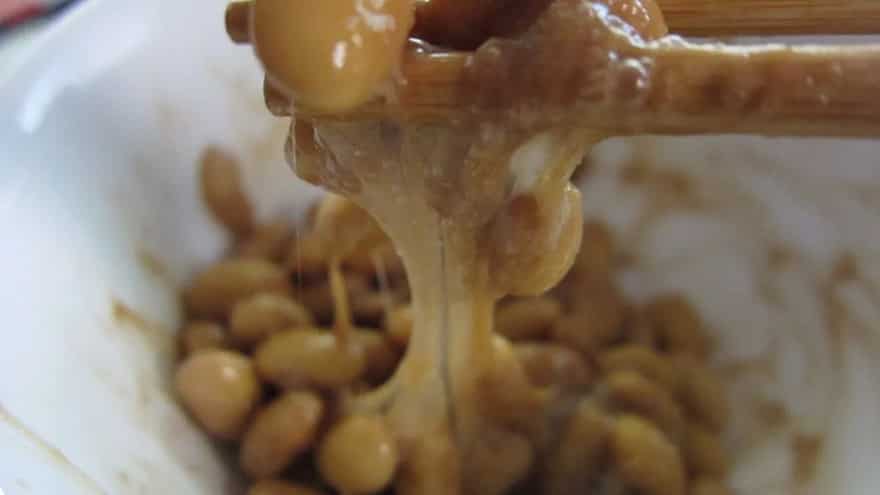
Image Credit: Wikimedia Commons
Kinema belongs to a family of sticky, umami-rich fermented soybean cuisines prevalent across Southeast and East Asia. It's comparable to Myanmar's pe poke, Thailand's thua nao, Cambodia's sieng, China's douchi, Korea's cheonggukjang, and Japan's natto. Together, these foods form what’s called the “kinema–thua nao–natto (KNT) triangle,” showing how different cultures created their own unique soybean dishes in this region. These foods aren’t really found elsewhere. The idea highlights how diets evolved across Asia, and modern research using advanced techniques is now backing up these shared food traditions.




