


 Share
Share

If you have ever had the chance to explore the culinary legacy of Nepal, Sikkim, or the hills of Darjeeling, chances are you have come across the cuisine known as "gundruk". Made by naturally fermenting mustard greens, radish leaves, or cauliflower leaves, gundruk is much more than just a fermented and preserved vegetable. It is a centuries-old food practice that was developed out of necessity and helped in storing leafy greens for months when fresh produce was short on storage.
At present, gundruk is treasured not only for its distinctive tangy taste but also for the nutritional value it holds and its adaptability in cooking. Its earthy aroma and sour taste add depth to the dishes it is added to. Whether you are discovering gundruk for the first time or just exploring fresh ways to cook with it, knowing its health benefits and also the culinary uses offers a sneak peek into one of the most valued ingredients of the Himalaya region.
What Is Gundruk?
Gundruk is a traditional fermented food that is made by letting fresh leafy greens, like mustard leaves, radish leaves, or cauliflower leaves, ferment on their own and then being sun-dried. This preservation method has been practised for years across parts of Northeast India.
The fermentation process is what gives gundruk's that distinct sour taste. Not only this, but it also extends the shelf life of the fermented greens without the need of refrigaration.
What Are The Benefits Of Gundruk?
Gundruk is adored not only for its taste but also for the nutritional qualities it provides. Since gundruk falls under the category of fermented food, it inherently has useful compounds that are generally produced during the fermentation process. Fermented foods are often linked with backing the gut health by feeding healthy microorganisms. Since gundruk is made from leafy vegetables, it is also a good source of adding dietary fibre and plant-based nutrients to the diet.
How To Use Gundruk In Cooking?
Whether you are making a meal using gundruk or making a quick side dish, gundruk fits in seamlessly into many recipes. Here are some ways in which you can use this fermented Himalayan dish.
Gundruk Ko Jhol
One of the simplest and also famous ways to enjoy gundruk is to make a jhol or comforting soup, also called gundruk ko jhol. The soaked gundruk is boiled with chopped tomatoes, onions, garlic, green chillies, and spiced up with simple everyday soups.
The jhol has a tangy taste that feels enjoyable, with earthy undertones. It feels extremely enjoyable during cold or rainy seasons. You can also pair with steamed rice or have at its own, as it feels comforting in both ways.
Gundruk Ka Achar
Gundruk can also be transformed into rich pickles. The rehydrated gundruk is mixed with some roasted tomatoes, garlic, green chillies, sesame seeds, mustard oil, and lemon juice to make a pickle that has spicy, smoky notes. The tanginess of the fermented vegetables perfectly balances the heat and nuttiness of the ingredients, making it a perfect accompaniment to have with rice or rotis
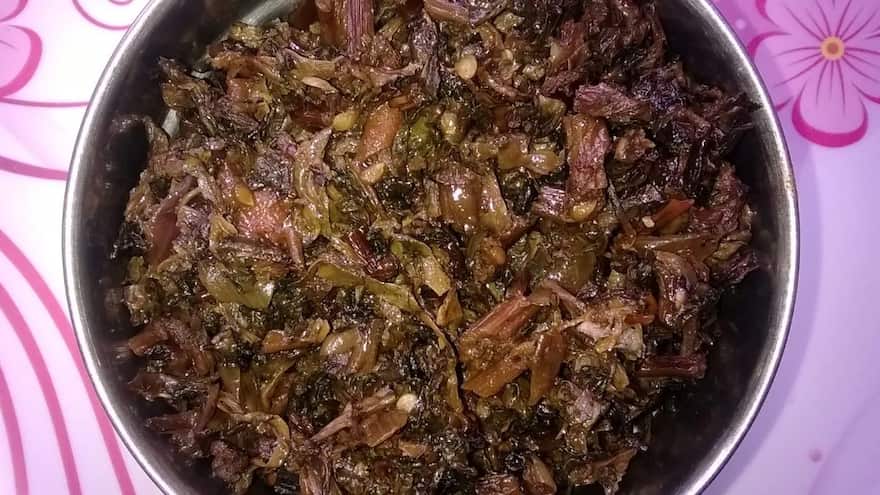
(Image credit: Wikkimedia Commons)
Gundruk With Potatoes
A simple stir-fry of potatoes and gundruk is a famous comfort food that is loved across Himalayan homes. The potatoes soak up the sour, earthy flavours of the fermented greens, while garlic, onions, and mild spices make the dish well-balanced.
Soft potatoes mixed with chewy gundruk make an enjoyable contrast in texture that pairs extremly well with hot rotis and steamed rice.
Gundruk Dal
Adding soaked gundruk to a pot of dal is the simplest way to enjoy its signature tang in an everyday meal. The fermented greens mix particularly well with masoor or toor dal, making a hearty dish that feels both nutritious and deeply satisfying.
A final tempering of cumin, garlic, and dried red chillies further enhances the fragrance and complements the natural earthiness of gundruk.
Gundruk Fried Rice
If you want to enjoy gundruk in a more trendy way, mix chopped, soaked gundruk with the fried rice along with vegetables such as carrots, peas, spring onions, and bell peppers. The fermented greens add a savoury, umami-rich taste that makes the rice taste more appetising without having to add any heavy sauces.




