


 Share
Share

Confit—derived from the French verb ‘confire’ means to preserve. Whether meat, vegetables or fruit, the idea behind the technique is to slow-cook food in a liquid (fat or concentrated syrup), which might be a medium that does not encourage bacterial growth. Once the process of confit is complete, the food is transferred to containers, where it is fully submerged in the cooking liquid while being separated from any potential contamination sources. With confiting, the idea is that storing the food after it has been cooked is as important as the cooking process. Most commonly, the confit method is applied to duck, tomatoes, garlic, pears and peaches. The appeal of the cooking method predominantly lies in the tenderisation that takes place as a result of the ingredient’s flavour being transformed as a result of consistent but mellow heat application—giving it an almost ‘fall apart’ effect.
History Of Confit
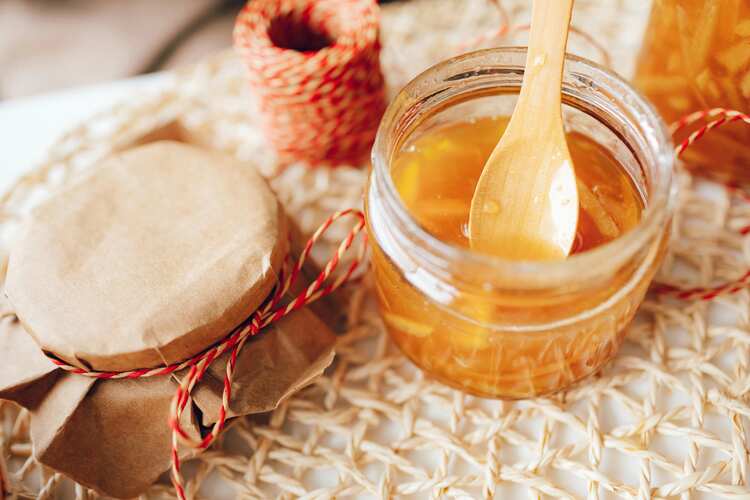
Image Credits: Pexels
Created with an approach stemming from necessity rather than luxury, the preservation technique existed at a time when meats required preservation without refrigeration, despite it continuing to persist today simply for the taste. In the early days, duck legs, goose, pork belly and gizzards would be cured—first, with salt and aromatics overnight before submerging it in fat and allowing the liquid to seep into its walls while also releasing flavour back into the medium.
How Confit Works
While the method uses fat as its most preferred medium, the technique of confit is vastly different from deep-frying—a method where the final result of a food product is to crisp up as a result of dehydration. The high temperatures applied during deep-frying chicken or other meats enables the moisture to evaporate and be expelled forcefully, turning into steam and triggering a Maillard reaction, which helps food develop flavour and turn golden-brown. Unlike confit, the cooking time for deep-frying is limited to a few seconds or minutes, whereas in a confit, fat is poured cold onto the food that requires cooking.
Also Read:
The vat containing the fat and food is generally placed over a heat source at low temperatures ranging from 120°C-135°C, which remains consistent throughout the process and breaks down connective tissue instead of extracting moisture. This helps meats and vegetables transform into tender soft ingredients with virtually no moisture loss, extending their cooking time to hours. While confit duck turns into shreds when pierced with a fork, garlic and tomatoes develop a desirable jammy texture which can then be used as a spread or garnish over other dishes.
Role Of Fat In Confit
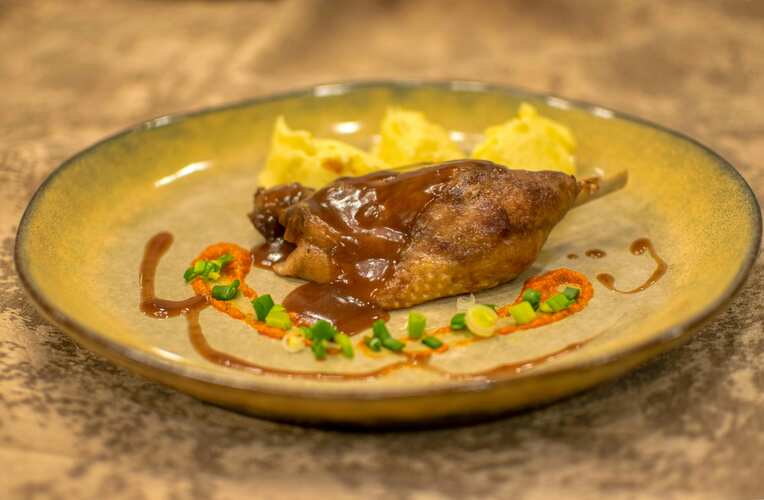
Image Credits: Pexels
A common misconception that the technique is faced with is the apprehension people might feel with regards to fat concentration—associating it with calorie density. However, the fat does not seep into the food as one would anticipate, instead only becoming a surface treatment for the cells of the food without penetrating into the meat or vegetable up to a point of concentration. The usage of fat not only helps control temperature by regulating it but also in creating an environment which is inhospitable for bacterial growth. While most modern confit delicacies are consumed within a few hours or days of it being made, the method is just as effective to increase the longevity of ingredients over a few months.




