


 Share
Share

As temperatures begin to rise, the craving to bite on something cool, soft, and refreshing becomes an everyday thought. The summer season is the time when jellies, puddings, chilled custards, and no-bake desserts are regular sights. They are easy to make, need very little cooking, and offer an instant relief after a long, tiring day.
But behind every perfectly set jelly or creamy chilled dessert that you adore, lies one critical choice, i.e. gelatine or agar-agar. While it's a general impression that both help in setting the desserts, it is less known that they behave very differently, particularly in summer conditions where heat can easily affect the overall texture. Knowing how each of them works can help you make desserts that not only taste good but also maintain their shape, feel good on the palate, and endure the heat without melting too quickly.
Source And How It Suits Summer Desserts
Gelatine is derived from animal collagen, whereas agar-agar is plant-based, sourced from seaweed. If you are making something for a large group with different choices, agar-agar is usually the preferred choice, particularly for vegetarian or Jain-friendly menus. It allows you to serve the desserts without stressing about dietary restrictions when you are hosting.
What To Make: Try a fresh fruit agar jelly with the seasonal ingredients, such as mangoes or watermelon. It sets cleanly and feels light, making it perfect to make and serve when guests arrive unannounced during hot summer afternoons when tea or coffee is not an option.
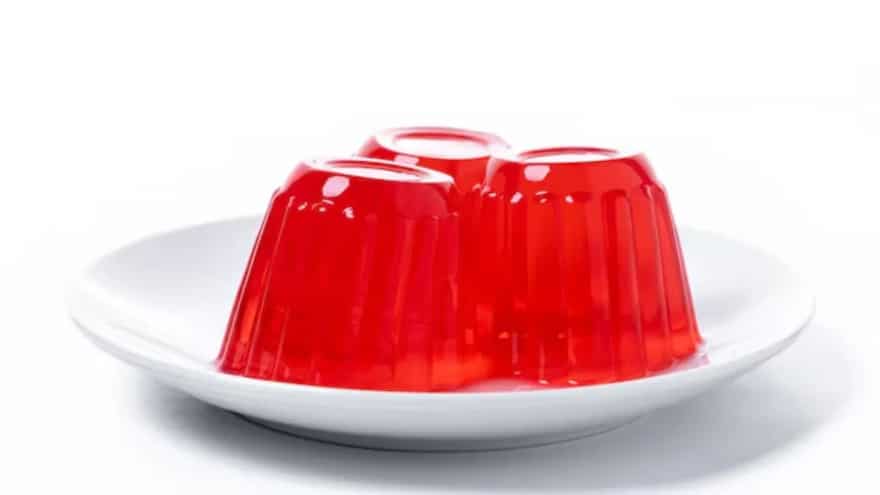
(Image credit: Freepik)
Texture That Suits The Heat
Gelatine provides desserts a soft, light wobble that melts in the mouth, with a soft texture. Agar-agar, on the contrary, makes a firmer, more structured setting that holds its shape even when sliced and kept outside for too long. In the cooler settings, the softness of gelatine feels indulgent, but adhering to the summer season, the firmness of agar agar can be more useful.
What To Make: Use gelatine if you are making a chilled chocolate mousse that you will serve within some time, as it will melt instantly, and use agar-agar when you are setting up cubes of coconut jelly to use in the long run, as they will remain intact even when kept outside the fridge for a while. As the jelly is mostly liked by kids, you will not worry that it will melt instantly.
Heat Stability And Setting Behaviour
This is where the most significant difference shows up. Gelatin-based desserts demand constant cooling because they melt easily in heat. Agar-agar hardens at room temperature and stays stable even in warmer weather, making it much more trustworthy when you are making dessert for a large gathering, and you know it has to be kept outside for a long time.
What To Make: Agar-agar works perfectly well for layered fruit jellies or even for the falooda bases that can sit outside for a short time while serving. Gelatine, on the other hand, can be better used for desserts that have to be remian chilled, such as panna cotta, that you need to serve straight from the fridge.
Cooking Method
Gelatine has to be bloomed and heated gently, making it somewhat simple to use. Agar-agar has to be boiled to get activated, but once it is dissolved, it sets fast, even faster in slightly cooler indoor conditions. In summer, this fast setting can actually work more accurately.
What To Make: Agar-agar is perfect when you want to make quick-set desserts such as rose milk jelly, watermelon jelly, or any fruit jelly for that matter. Use gelatine for slow-setting desserts like cheesecake, where you have ample amount of time and time to refrigerate.
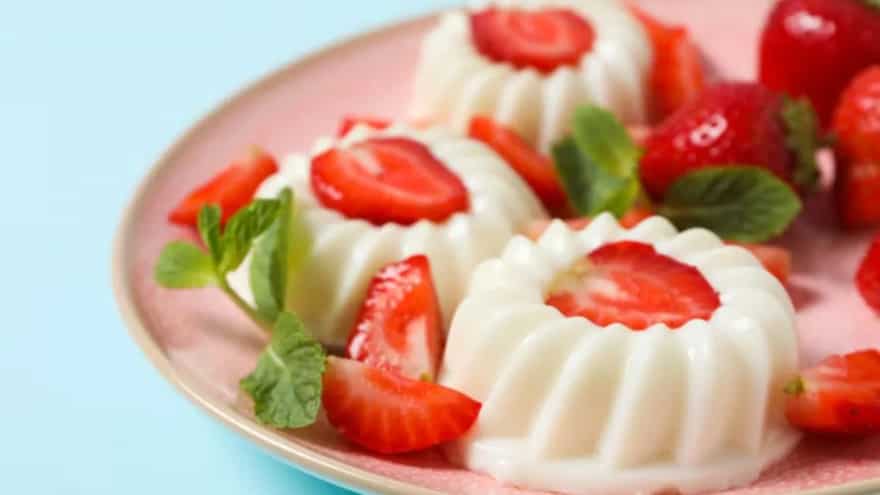
(Image credit: Freepik)
Choose Based On The Dish And Occasion
The final selection depends on what you want your dessert to feel like and how and when it will be served. For creamy, indulgent, and chilled desserts, gelatine will be perfect. For firmer, sliced, and heat-resistant dishes, agar-agar is the better choice during summer gatherings.
What To Make: Use gelatine for no-bake cheesecakes or soft-setting custards. Choose agar-agar for fruit-based desserts, puddings that are more layered, or anything that has to stay steady on a summer table without melting and losing its shape. If you are making a festive dessert that has to sit out for longer, agar-agar is more dependable, whereas gelatine works best for chilled, creamy indulgences.




